Siding and Windows in Farmington Historic District

Siding and Windows in Farmington Historic District needs a measured approach to older wood siding, original window details, and historic preservation guidelines.

99 Street, Tunxis Mead Rd, Farmington, CT 06032, Farmington, Connecticut

Siding and Windows in Farmington Historic District

Farmington Historic District service

  • Written service plans
  • Careful property protection
  • One point of contact
  • Prepared local crews
Farmington Historic District

Siding and Windows in Farmington Historic District

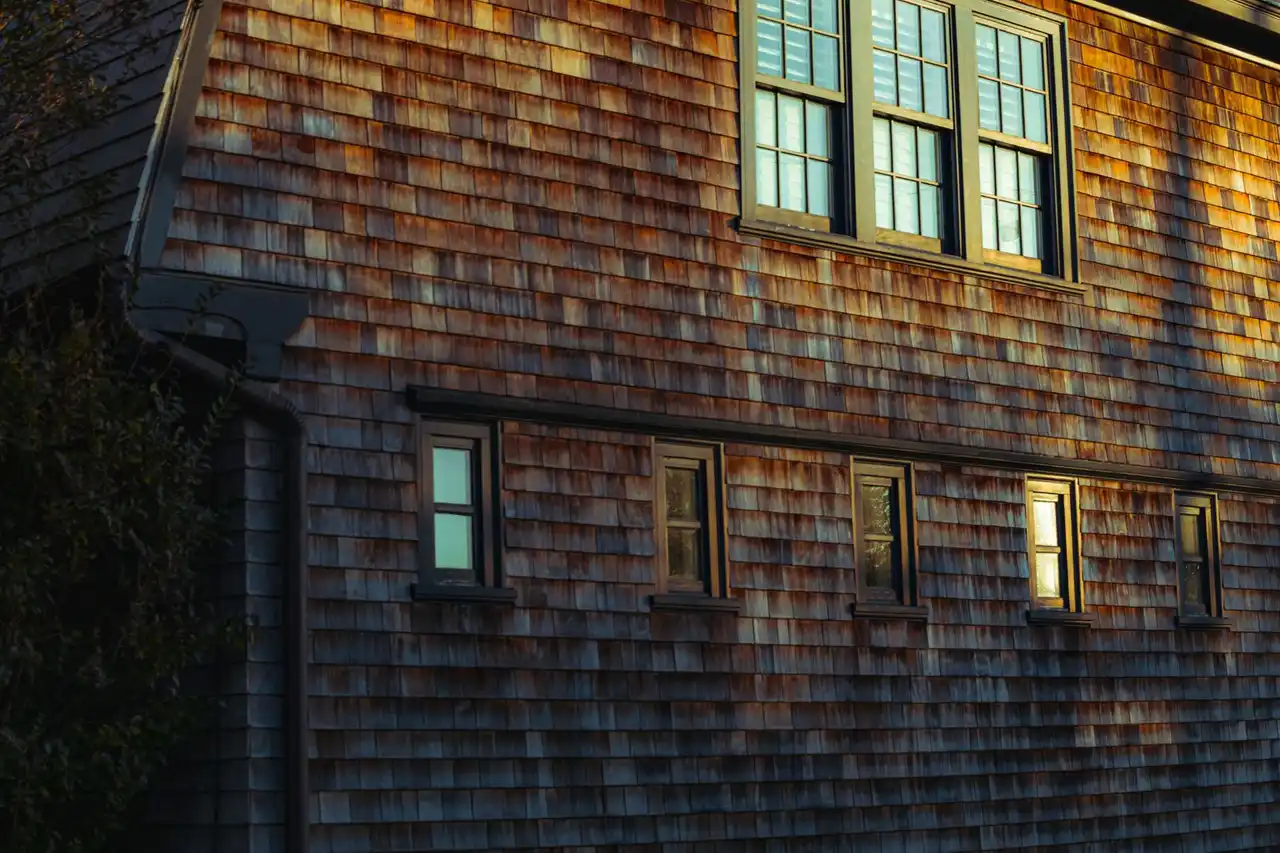
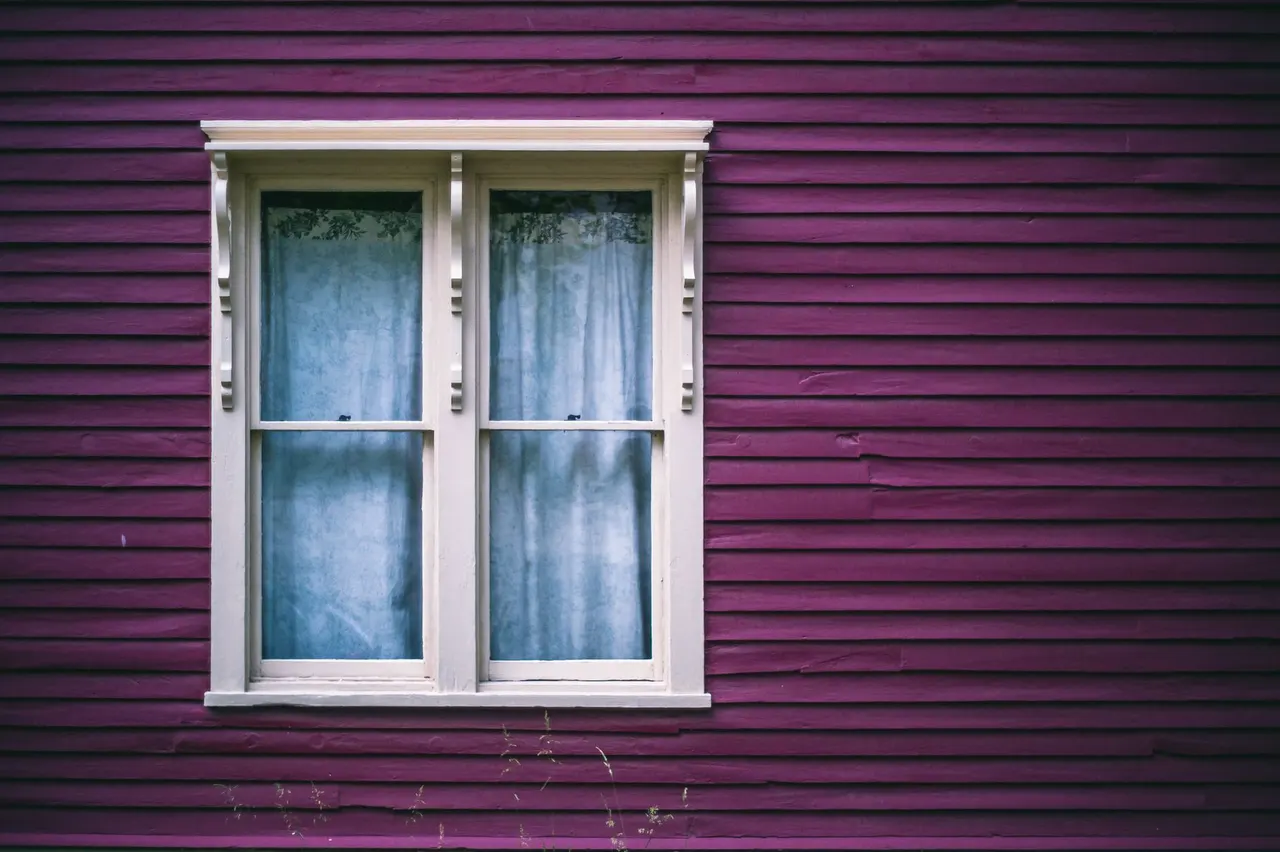
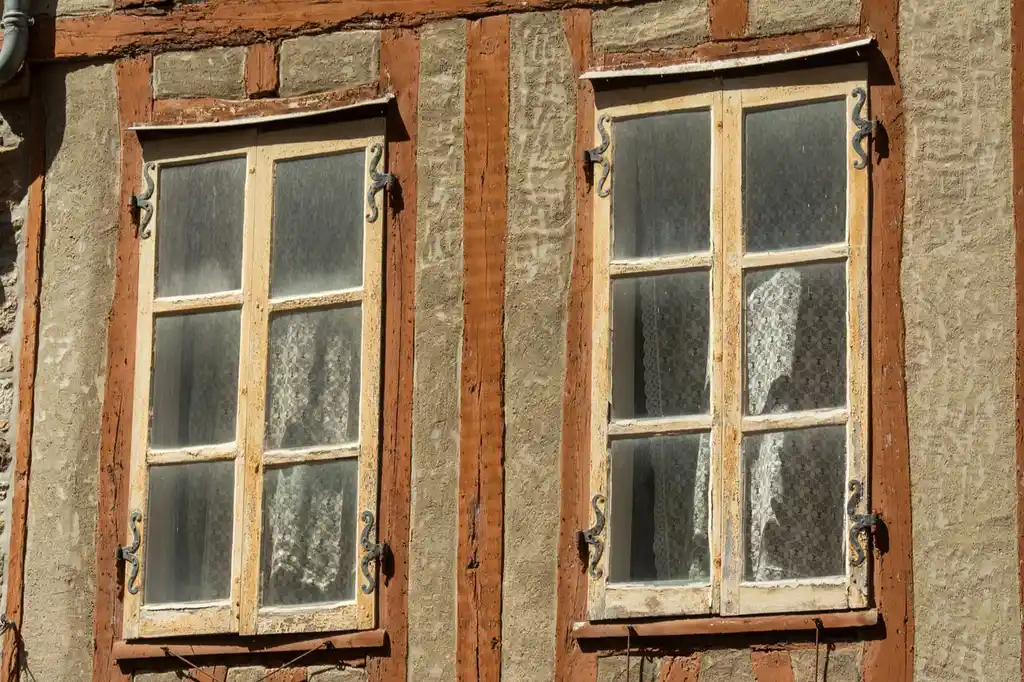
Siding and Windows in Farmington Historic District is exterior renovation and repair that protects a building from weather while maintaining its appearance and function. The district's colonial and federal architecture calls for close attention to siding profiles, trim, window proportions, and historic preservation guidelines. We assess the existing assembly before recommending a repair or a full replacement, so you can make choices that suit both the house and its upkeep needs.

Our Farmington team works across the Main Street Historic District, the High Street area, and Farmington Village. Siding and Windows Farmington Historic District Connecticut projects can involve older wood siding, drafty sash, worn caulk, or trim that has taken on moisture. We check surrounding materials, document visible concerns, and plan access around the house rather than treating every exterior as a standard installation.

For Farmington Historic District Siding and Windows, we discuss compatible materials and practical alternatives, including repairs where sound original components can remain. We can coordinate siding and window work, assess flashing and insulation details, and help you understand what requires review before construction. Call us at (860) 744-9803 to arrange a conversation about your property.

Farmington Historic District has a distinct mix of older homes, established streets, and buildings whose exterior details deserve careful handling. Cold winters put repeated pressure on window seals and siding joints, while changing temperatures make small openings worth finding before water enters concealed areas. We serve homeowners who want a clear inspection and a plan that respects the building's character.

Our regular service area includes the Mill Lane area, Garden Street area, and River Road area, as well as properties near Miss Porter's School. We plan each visit around the home's height, access, and existing materials. If you have a loose panel, peeling paint, or a window that fogs between panes, we start with the affected area and trace the cause instead of assuming the entire exterior needs replacement.
Explore our services

Good to know in Farmington Historic District

  • Historic trim profiles and original wood details need careful matching.

    Replacing a board or window without checking the neighboring profile can leave a visible mismatch.

  • Farmington Historic District preservation review requirements

    Exterior changes to properties within a historic district may require review under local preservation rules.

  • Main Street Historic District

    Homes along Main Street sit within the district's historic context, where exterior proportions and material appearance matter.

  • Main Street Historic District
  • High Street area
  • Mill Lane area
  • Garden Street area

Exterior Services for Historic District Homes

Farmington Historic District projects range from a single damaged siding course to coordinated window and exterior replacement. We inspect the visible condition, check openings and trim, and discuss how the work will fit your house's age and architectural details.
Exterior work for district homes

Pick a service to see how we approach it here.

Siding Installation in Farmington Historic District

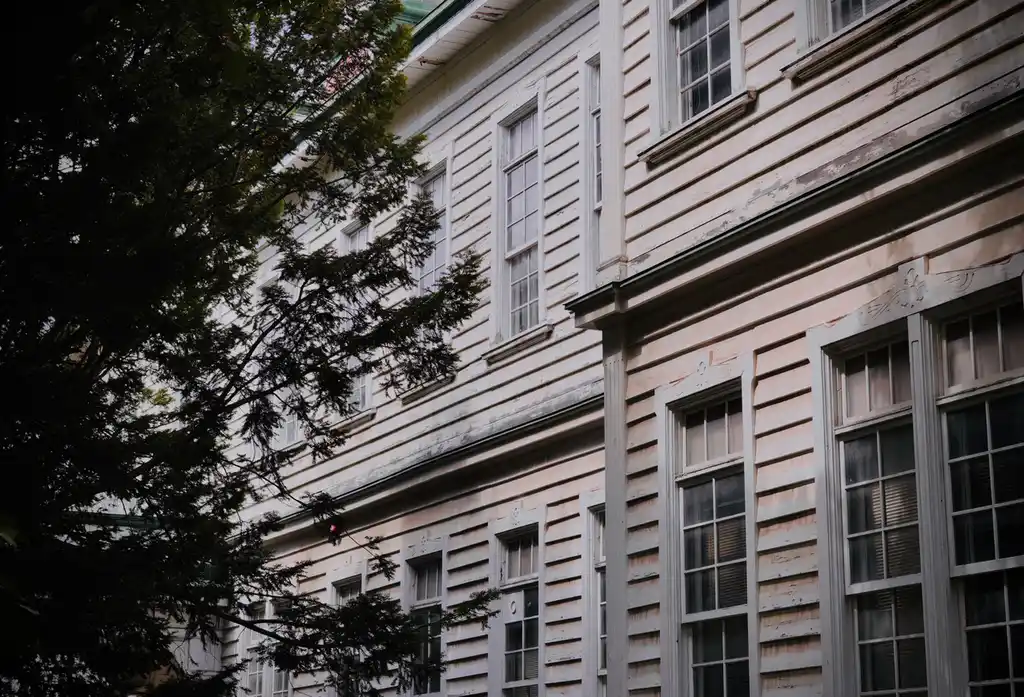
Farmington Historic District homes may have older siding profiles and trim that need accurate measurement. We inspect the wall, map corners and openings, and plan the new courses around existing details. Before installation, we review material choices and identify the transitions that need careful fitting.
  • Profile and trim review
  • Measured wall layout
  • Opening transitions

More about Siding Installation

See how Siding Installation works
Siding Installation in Farmington Historic District

Homes and businesses in Farmington Historic District.

Homes need detail-sensitive repairs; business properties need planned access and minimal disruption to normal operations.

Residential · Farmington Historic District

Historic District Homes

Older Farmington homes often combine original details with later exterior updates. We inspect the existing assembly and plan repairs around the material, opening, and visible character.

  • Colonial and federal homes
  • Older wood siding
  • Traditional window openings
  • Historic trim and additions
Request service at home
Commercial · Farmington Historic District

Local Properties

Commercial exterior work starts with a clear access plan and careful sequencing around entrances. We review the facade, openings, and work area before choosing an installation approach.

  • Village storefronts
  • Office properties
  • School-area buildings
  • Mixed-use exteriors
Ask about commercial work

Common Siding and Window Problems Here

Older homes across Farmington Historic District face a mix of material aging and seasonal weather stress. Cold winters expose drafts and weak seals, while rain can find gaps at window frames, siding joints, and roof edges.

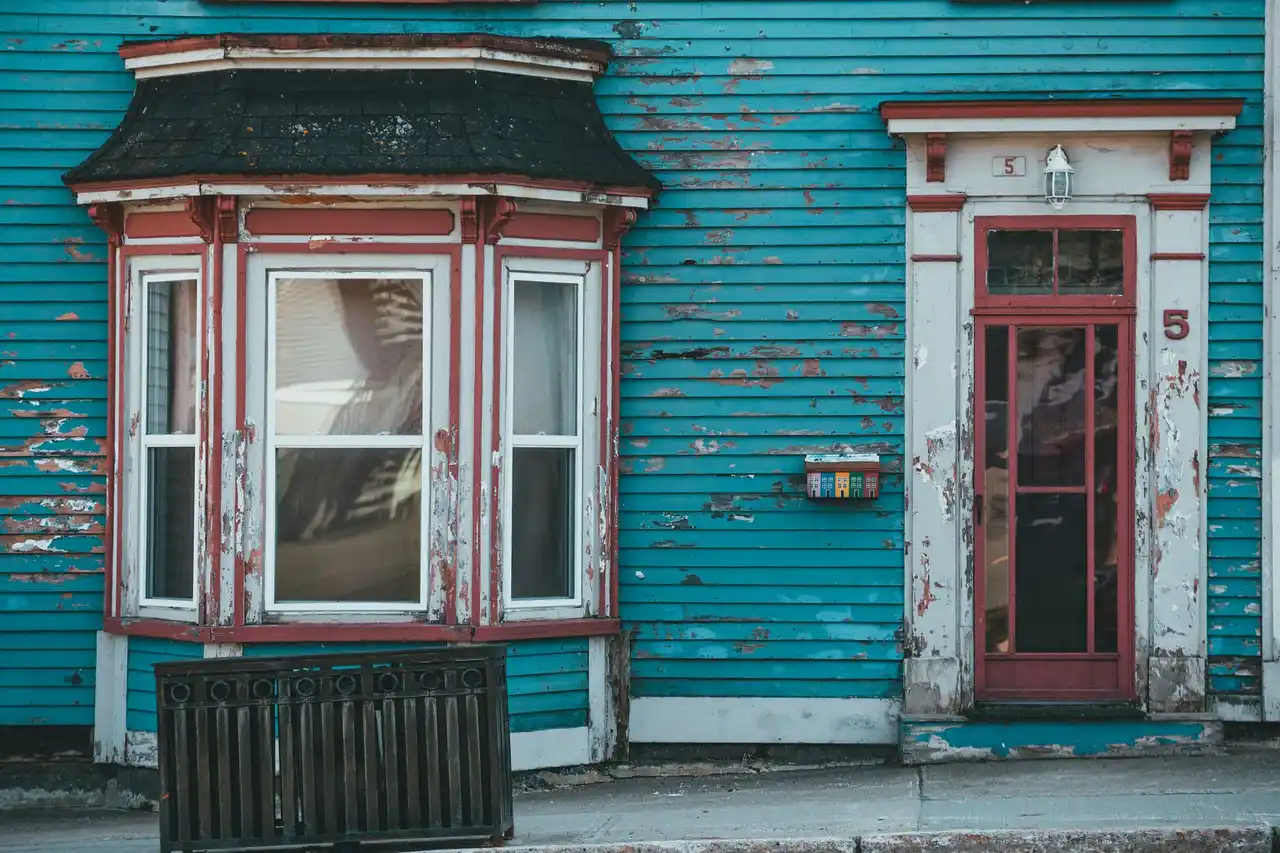
  • Siding peeling and cracking around older window trim

    Siding peeling and cracking around older window trim

    Repeated exposure and aging paint can leave wood siding vulnerable, especially at joints and around openings. Older trim may have several layers of prior repair, and a small failure can let moisture reach the board ends. Seasonal temperature changes add movement to already weak joints.

  • Siding rot and water infiltration at lower courses

    Siding rot and water infiltration at lower courses

    Lower siding can remain exposed to splash-back and moisture from nearby surfaces. If paint, joints, or flashing fail, water can reach the back of the boards and cause rot. The issue is often most visible after prolonged wet weather or a winter freeze-thaw cycle.

  • Window fogging between panes and failed seals

    Window fogging between panes and failed seals

    Insulated glass loses its seal as components age or experience repeated temperature changes. Moisture trapped between panes does not wipe away from either side, and the cloudy area can persist. Frame movement or exterior water entry can create additional concerns that need separate inspection.

  • Soffit and fascia damage near roof edges

    Soffit and fascia damage near roof edges

    Roof-edge materials can deteriorate where water repeatedly reaches joints or where the finish has aged. Damage may become visible as staining, peeling, or soft sections. Since these areas sit above the siding, an unnoticed opening can affect adjoining trim and wall surfaces.

When to Call for Siding and Window Help

Peeling siding, persistent drafts, and fogged glass call for a closer exterior inspection.

Any one of these is worth a call.

Nothing picked yet. Tap the signs you have noticed and this box will sum them up.

How Much Does Local Exterior Work Cost?

There is no price list here, because every job is different. These are the things that move an estimate most.

  • Material and profile selection

    Wood, vinyl, fiber cement, and specialty profiles differ in product cost and installation steps. Matching existing details in the Historic District can require additional measuring or trim work.

  • Hidden damage and preparation

    Siding removal or window work can reveal deteriorated sheathing, frame rot, or failed flashing. Repairing those conditions adds labor and materials, but covering them would leave the source of water infiltration unresolved.

  • Height and site access

    Multi-story elevations, tight staging areas, and limited access can require extra setup time or scaffolding. The location of the work also affects how materials are carried and protected.

Landmarks That Orient Local Visits

We use well-known Farmington locations to orient visits through the district, then confirm the specific address and access with each customer.

  • Landmark

    Stanley-Whitman House

    The Stanley-Whitman House is a recognizable historic site in Farmington and a useful orientation point when navigating nearby village streets.

  • Landmark

    Hill-Stead Museum

    Hill-Stead Museum is a well-known Farmington landmark that helps establish direction within the local area.

  • Landmark

    First Church of Christ

    First Church of Christ is a prominent Farmington landmark and a practical reference when describing the village area.

  • Commercial area

    Farmington Village

    Farmington Village is a recognized local center around village streets and civic landmarks.

  • Commercial area

    Farmington Village Green

    The Farmington Village Green is a public landmark in the village setting, surrounded by the area's historic streets and institutions.

  • Transit

    U.S. Route 4

    U.S. Route 4 provides a regional road connection through Farmington and helps orient travel toward the district. The final approach depends on the customer's street and local access.

  • Transit

    Connecticut Route 10

    Connecticut Route 10 is a major local route through Farmington. It offers a broad approach to the area, with the exact route to a home determined by its address and current traffic.

Seasonal Exterior Planning in Farmington

November brings colder weather to Farmington Historic District, so drafts, failed seals, and loose siding become more noticeable as temperatures fall. Winter work is planned around safe access and material requirements; urgent water entry still deserves a prompt call.

  • Spring

    • Thawing weather can reveal loose siding, cracked caulk, and areas where water entered during winter. Check lower wall courses and window trim after heavy rain.
    • Walk the ground-level perimeter after the snow has cleared and photograph visible damage. Call us before painting so we can check for moisture and confirm that the surface is ready for a new finish.
  • Summer

    • Longer daylight and milder weather make summer a practical period for planned siding replacement and window installation.
    • Book a measurement visit before choosing materials. Confirm the profile, color, and window operation you want, then allow time for product ordering and a site plan.
  • Fall

    • Fall is a useful time to address loose panels, damaged flashing, and window drafts before temperatures drop. Leaves and rain can also make roof-edge drainage problems easier to notice.
    • Check window locks, exterior caulk, and soffit from the ground. Have damaged joints assessed before relying on temporary sealant through the winter.
  • Winter

    • Cold weather makes drafts and fogging more apparent, while snow and ice can restrict safe access to some elevations.
    • Note the room, window, and weather conditions when you feel a draft. Call for an assessment, and report active water entry so we can discuss a safe response.

Service Across Farmington and Nearby Areas

Farmington Historic District is one part of our wider Farmington service area. Our crews plan visits across nearby communities and Farmington neighborhoods, coordinating inspections and project schedules around the property's location and work scope.

Siding and Windows in Farmington Historic District FAQs

Straight answers to what people ask first.

Historic trim matching or preservation requirements can affect the scope. For affordable Siding and Windows in Farmington Historic District Connecticut, we inspect the property and explain the cost drivers before you choose a project.

You may need replacement if a frame is deteriorated, a sash cannot operate, or fogging between panes confirms a failed insulated-glass seal that cannot be repaired economically. A draft alone does not prove the whole window needs replacement; worn weatherstripping or a perimeter gap may be repairable. We inspect the unit and surrounding trim, then explain options. Window Replacement near Farmington Historic District Connecticut should also account for the home's proportions and applicable preservation guidelines.

Choose a contractor who checks existing materials, identifies water paths, and explains how the work will protect historic details. Request a clear description of measurements, access, installation steps, and handling of concealed damage. For older homes, the ability to distinguish repairable material from failed components is as important as product selection.

A localized siding repair often takes a few hours to one day, while replacing several windows commonly takes one to three days. A full siding project can take one to three weeks, depending on house size, weather, access, and concealed repairs. Historic detailing or review requirements can add planning time before installation. We assess the property, explain the sequence, and coordinate the work around material availability and safe site conditions.

Plan Siding and Windows in Farmington Historic District

(860) 744-9803

If your Farmington Historic District home has loose siding, soft trim, or windows that leak air, call Farmington Siding and Windows Pro at (860) 744-9803.

Talk Through Your Project

Call (860) 744-9803 or email [email protected] to describe the siding or window issue at your Farmington home. Our listed office hours are Monday through Friday, 8:00 a.m. to 6:00 p.m.; calls are routed to independent companies. Share the affected area, any visible damage, and whether water is entering so the conversation starts with useful details.