At Home
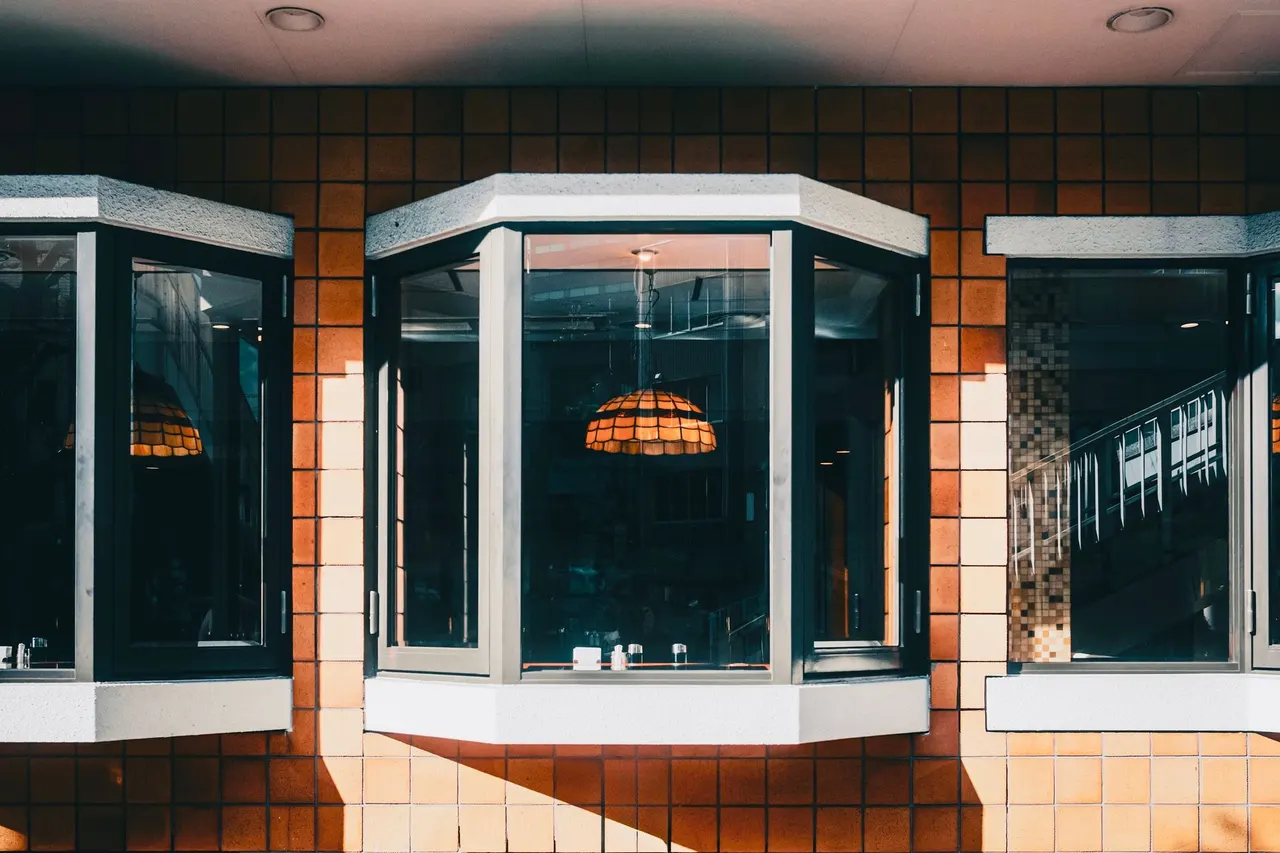
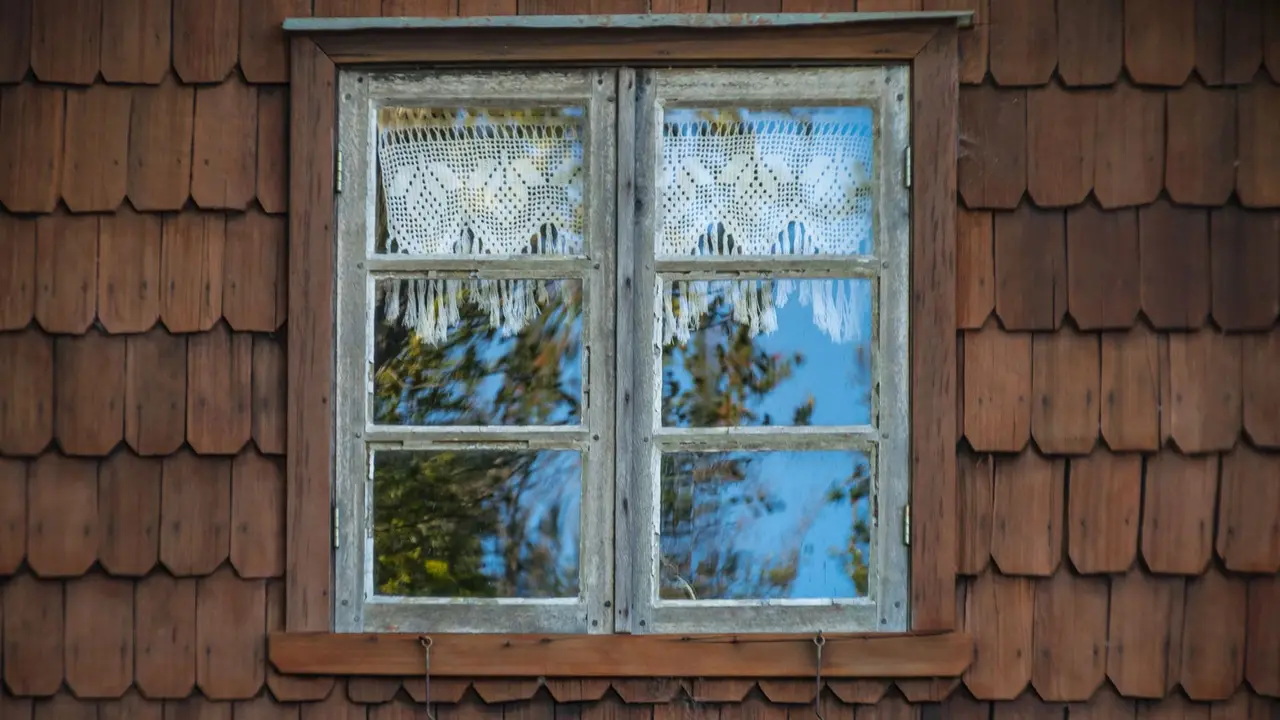
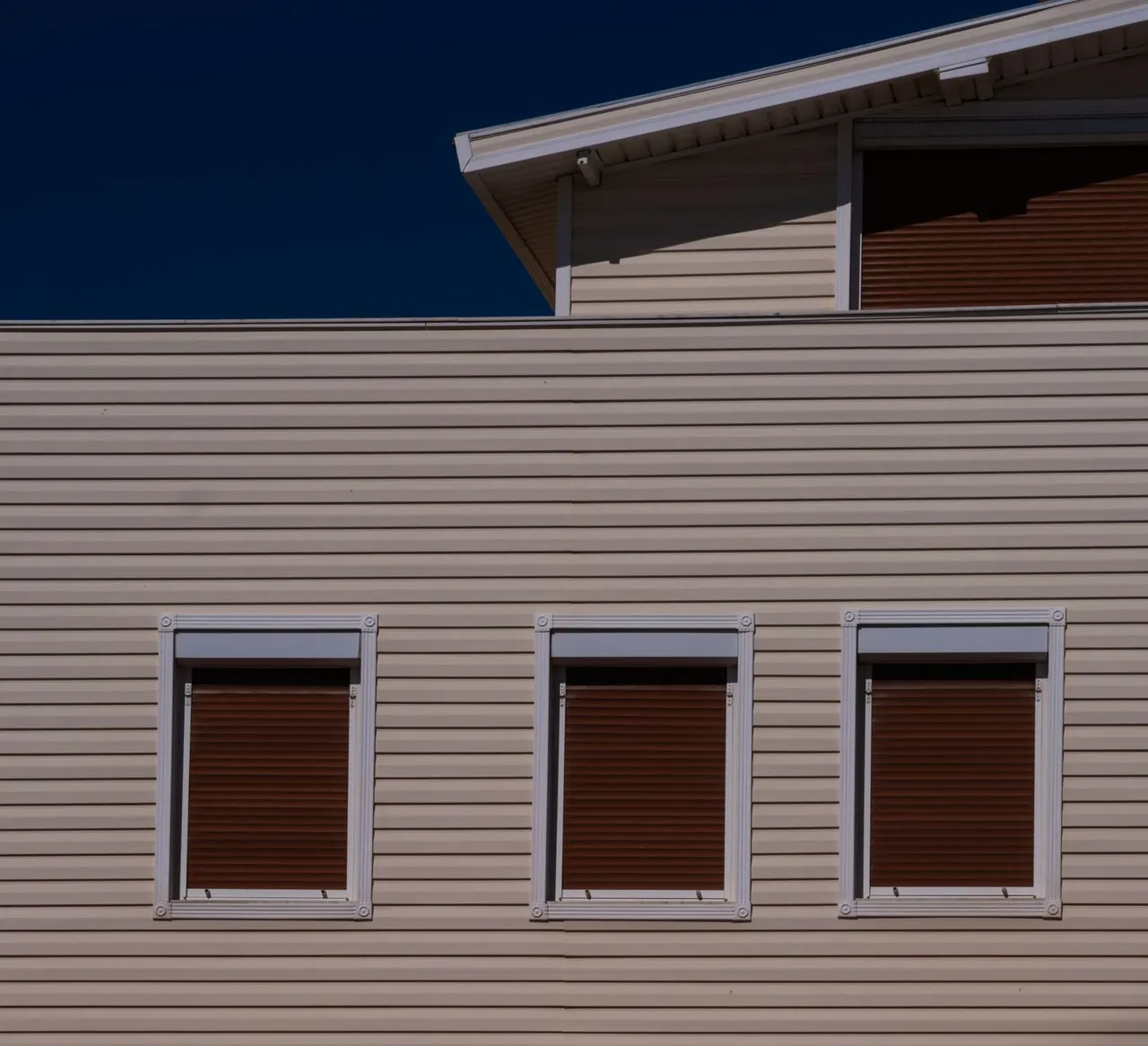
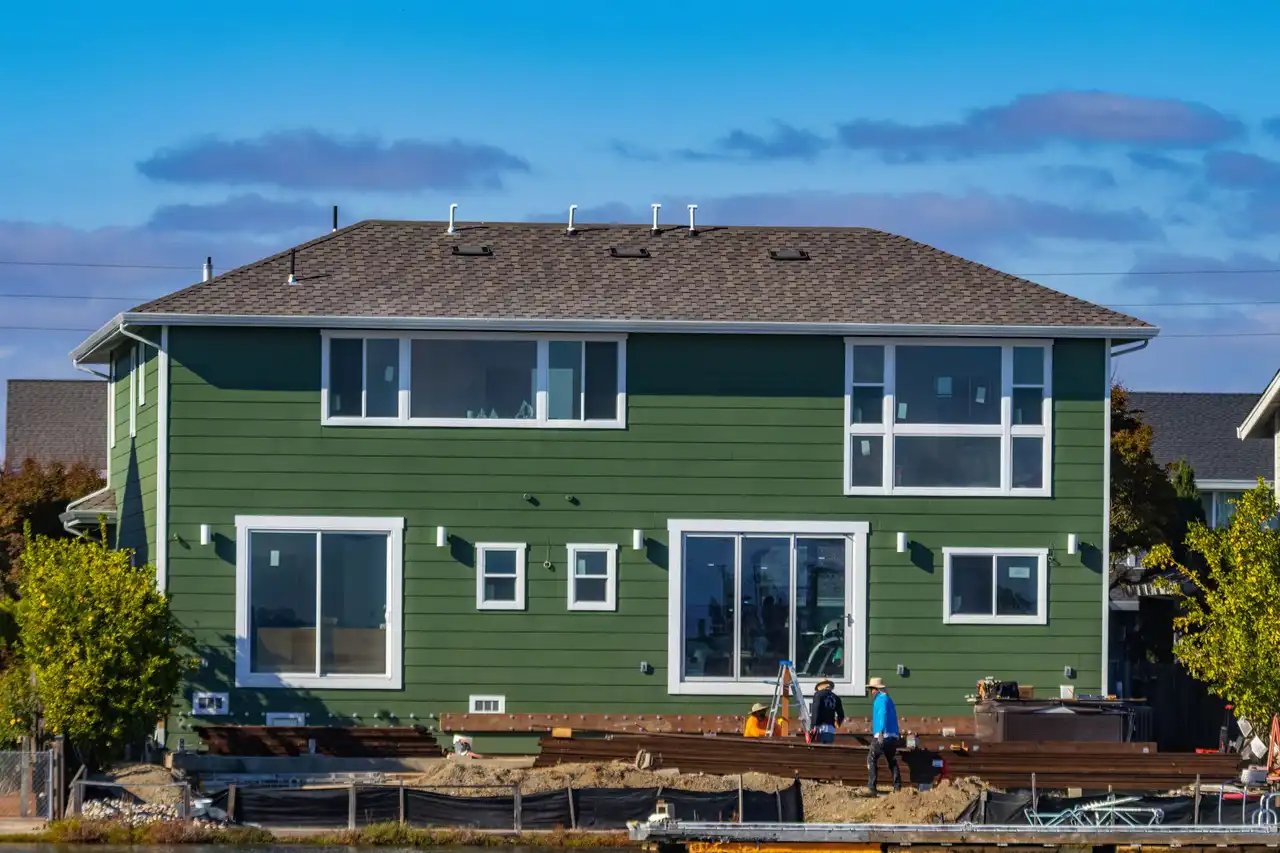
We clean home siding with attention to material, windows, and nearby planting beds. You can point out stained elevations or areas where panels look loose.
- Pollen on vinyl siding
- Dark marks on shaded wood
- Residue around window trim
Siding Power Washing in Farmington, Connecticut clears dirt, pollen, and organic staining from exterior cladding without treating every surface the same. We help homeowners and property managers dealing with faded vinyl siding, dusty trim, or shaded walls that stay damp. Our siding pressure washing Farmington service begins with a surface check, then uses controlled water flow and a suitable cleaning method to refresh the exterior while protecting windows, caulk, and landscaping.
 Surface checkControlled rinseOpening protection
A standard visit covers an exterior review, reasonable protection of nearby plants and openings, a surface-appropriate cleaning pass, and a final rinse of the agreed siding areas. We explain any visible defect that changes how a section should be treated. Roofs, gutters, interior windows, repairs, and removal of failing paint are separate work, not part of a siding wash.

We identify the siding type, visible staining, access needs, and areas where caulk or panels appear compromised. That check guides water flow and cleaning technique. If a section is too damaged for washing, we explain the concern rather than treating it like ordinary dirt.
We wet nearby plants, move light items from the work area, and check that windows and doors are closed. We take care around outlets, fixtures, and exposed joints. This preparation reduces overspray and helps keep cleaning water directed onto appropriate exterior surfaces.
We apply a suitable cleaning method to the specified siding and work in manageable sections. The nozzle stays at a safe distance, and we avoid upward spray beneath panel edges. Delicate surfaces receive lower force and closer observation during the pass.
Each cleaned elevation receives a rinse to clear loosened soil and cleaning residue. We pay attention to corners, lower courses, and trim transitions where deposits collect. The final check helps ensure the surface is evenly cleaned rather than left with visible streaks.
We point out visible issues noticed during the work, such as loose siding, failed caulk, or signs of rot. These notes are not a full inspection, but they help you decide whether to arrange repair or maintenance after the wall has dried.
The approach is the same for a home and a business. What changes is the access, the schedule and who needs the paperwork.
We clean home siding with attention to material, windows, and nearby planting beds. You can point out stained elevations or areas where panels look loose.
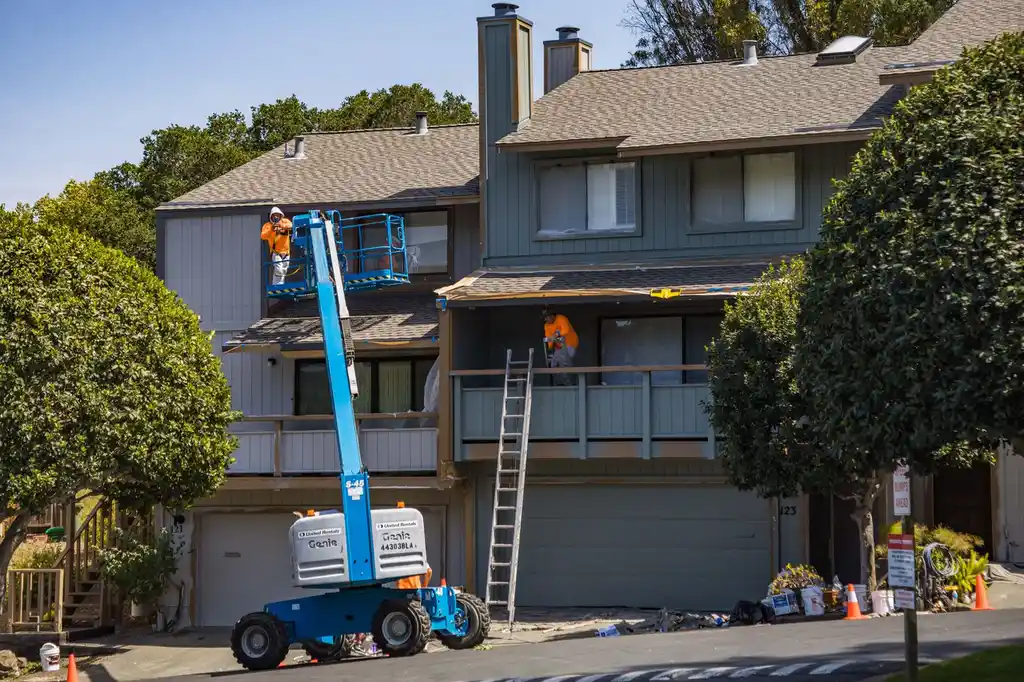
We plan exterior cleaning around building access and the surfaces that need attention. Property managers can identify priority elevations and access concerns before setup.
A plain-language look at what Siding Power Washing involves and when it is needed.
See how it worksSiding Power Washing in Farmington, Connecticut is an exterior cleaning service that removes accumulated dirt, pollen, and surface growth using a surface-appropriate wash method. We inspect the siding first, identify loose panels, failed caulk, or delicate finishes, and choose controlled pressure rather than blasting the wall. Vinyl siding, fiber cement siding, and wood siding each need a different approach. We wet nearby plants, protect vulnerable openings, and rinse from the lower section upward before a thorough final rinse, helping your home look cleaner without forcing water behind the cladding.
Farmington homes face spring pollen, summer humidity, leaf debris, and winter residue that can collect on shaded elevations and around soffit and fascia. In the Farmington Historic District, older trim and painted surfaces deserve a gentler assessment than intact modern vinyl. Our Farmington Connecticut siding power washing service is useful before painting, listing a property, or cleaning after a renovation. For homeowners searching affordable Siding Power Washing in Farmington Connecticut, the right starting point is an inspection that separates washable staining from damage needing repair.
A surface check determines the cleaning method; pressure and spray angle must suit the siding.

Siding Power Washing Farmington appointments follow a clear sequence: inspect, protect, clean, rinse, and review. We explain the surface-specific approach before work starts, then keep you informed as each elevation is completed. Most straightforward homes take two to four hours, depending on height, access, and buildup.
We begin with a walkaround, usually taking 15 to 25 minutes, to identify siding material, access points, fragile trim, and visible defects. You can show us the stained or shaded areas that concern you most. We note nearby outlets, open seams, window condition, and landscaping so the cleaning plan fits your house rather than using one setting everywhere.
Before washing, we move or cover small outdoor items, wet plants, and keep spray away from vulnerable openings. We check that windows are closed and flag areas where failed caulk or loose panels need a lighter rinse. For elevated work, we use stable ladder placement or scaffolding suited to the site; a safety harness is used where the setup calls for fall protection.
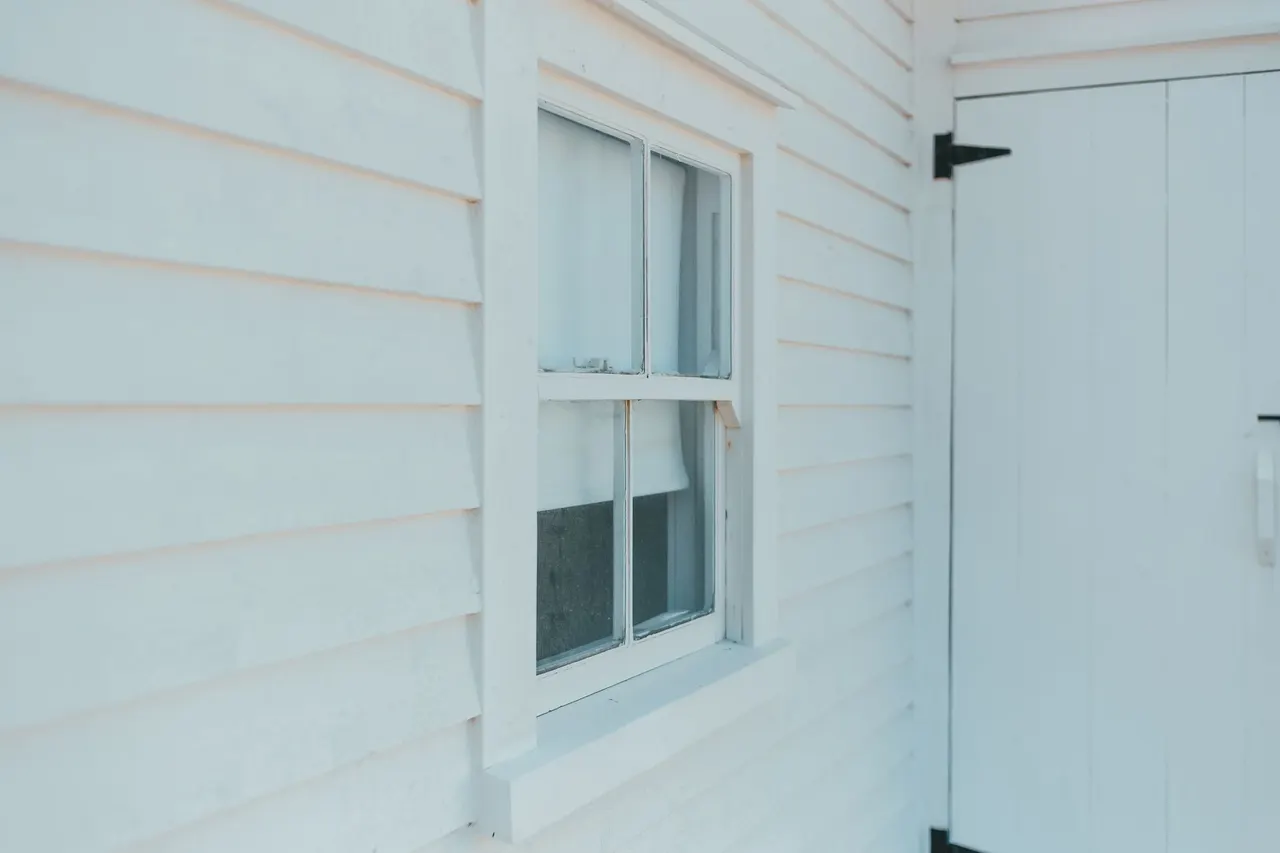
We select a nozzle, water flow, and cleaner for the siding material and soil. A power washer is not held close to the wall or aimed upward beneath laps; that can drive water behind panels. On wood siding or delicate finishes, we reduce force and work in smaller sections. You will see us test a discreet area before continuing.
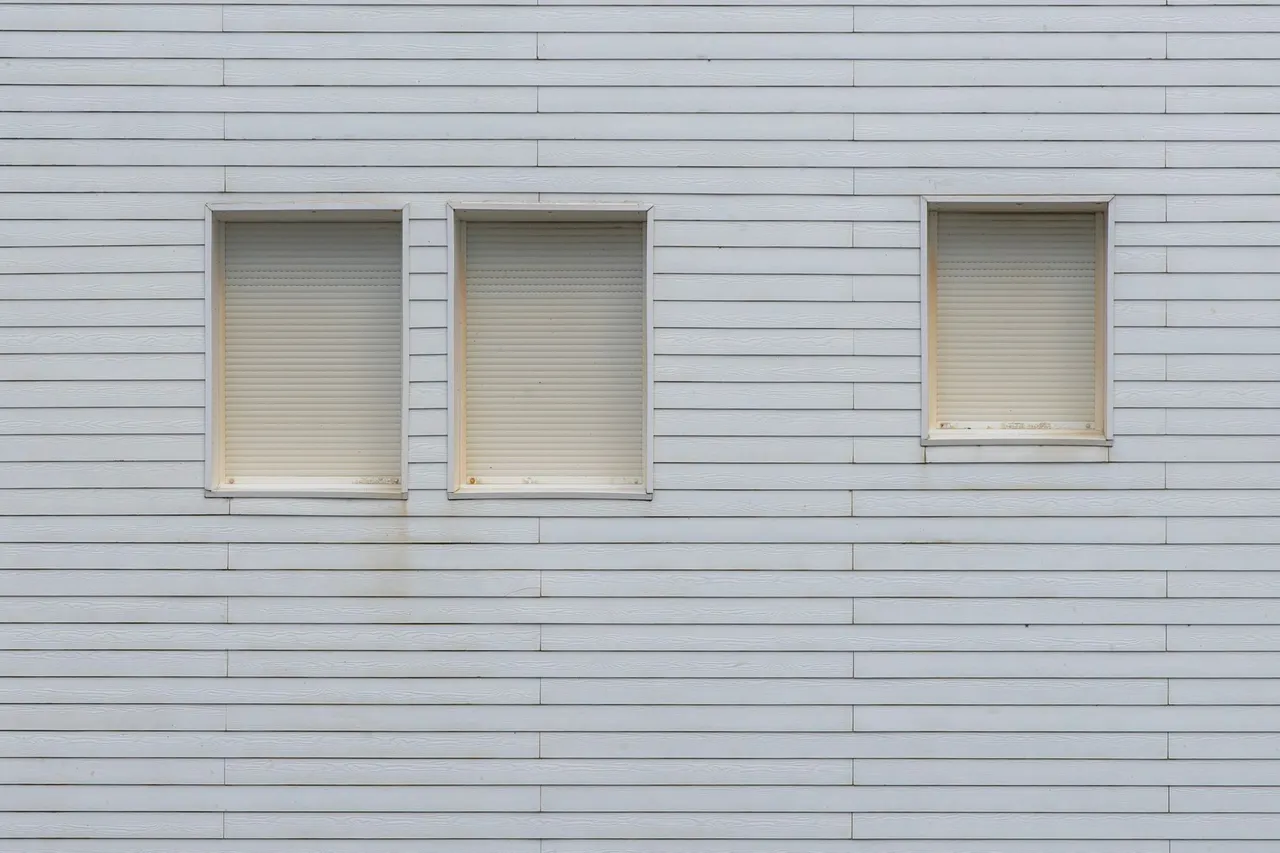
We clean one elevation at a time, keeping the rinse controlled around window frames, trim, and electrical fixtures. Each section gets a final rinse to clear loosened residue and cleaning solution. A 1,500-square-foot exterior can take longer if access is tight or staining is heavy, so we focus on consistent coverage instead of rushing.
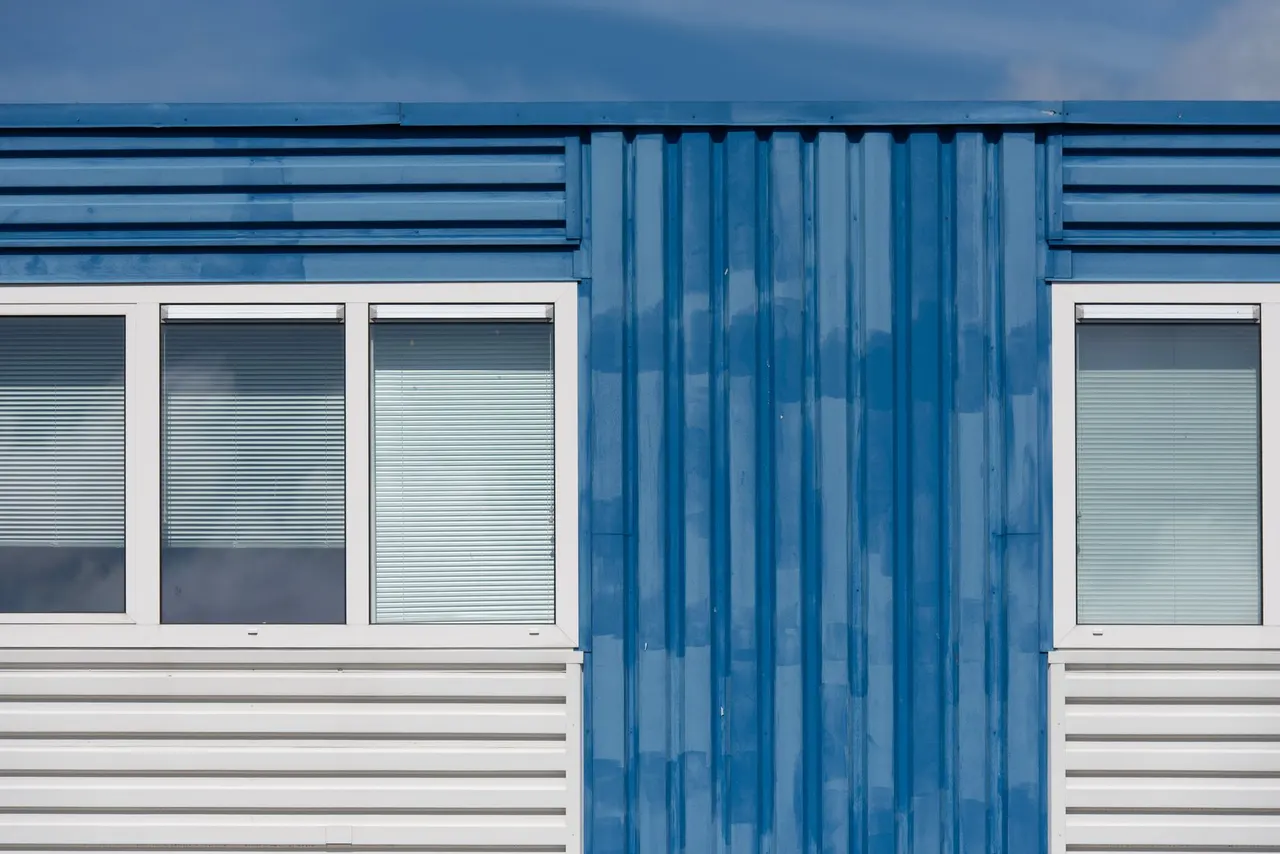
After the last rinse, we walk the cleaned areas with you and check corners, lower courses, and shaded sections for missed buildup. We also point out visible siding defects or caulk gaps found during the job. You get practical next steps for drying, maintenance, or repair, and we leave the immediate work area tidy.
Move across a circle, or focus it and press Enter, for an illustrative thermal view of the photograph.

We adjust the flow and nozzle to the siding surface, keeping the spray at a safe distance and avoiding upward pressure beneath laps or into joints.

A stable ladder provides access to reachable upper sections. We set it on firm ground and reposition it rather than stretching across a wall.
For suitable larger elevations, scaffolding provides a stable work platform and helps maintain controlled distance from the siding during rinsing.
When elevated access requires fall protection, we use a safety harness as part of the planned setup and follow safe work practices.
It is a repair tool, not a washing tool. We may identify joints where failed caulk needs attention before water is directed nearby.
Thermal views are illustrative, generated from the photographs.
We identify the cladding and inspect its finish before choosing the water flow and nozzle. Vinyl, wood, and fiber cement respond differently to pressure and distance. A discreet test area confirms the approach before we clean a full wall, and we lower force around vulnerable edges or aged coatings.
We avoid aiming upward beneath siding laps, window frames, or trim joints. Sections are cleaned and rinsed with attention to runoff, openings, and the wall's condition. Where the surface or joint looks vulnerable, we reduce direct spray or leave that area for repair rather than forcing water into it.
Before applying cleaner, we wet nearby plants and check that doors and windows are closed. We keep spray away from exposed electrical fixtures and vulnerable openings, then rinse surrounding areas as needed. This simple setup limits overspray and keeps the work focused on the siding.
We test a small section, observe how the finish responds, and adjust before continuing. During the wash, we check coverage at corners, trim, and lower courses. A final walkaround identifies remaining dirt and visible defects, giving you a practical view of the exterior after the surface is clean.
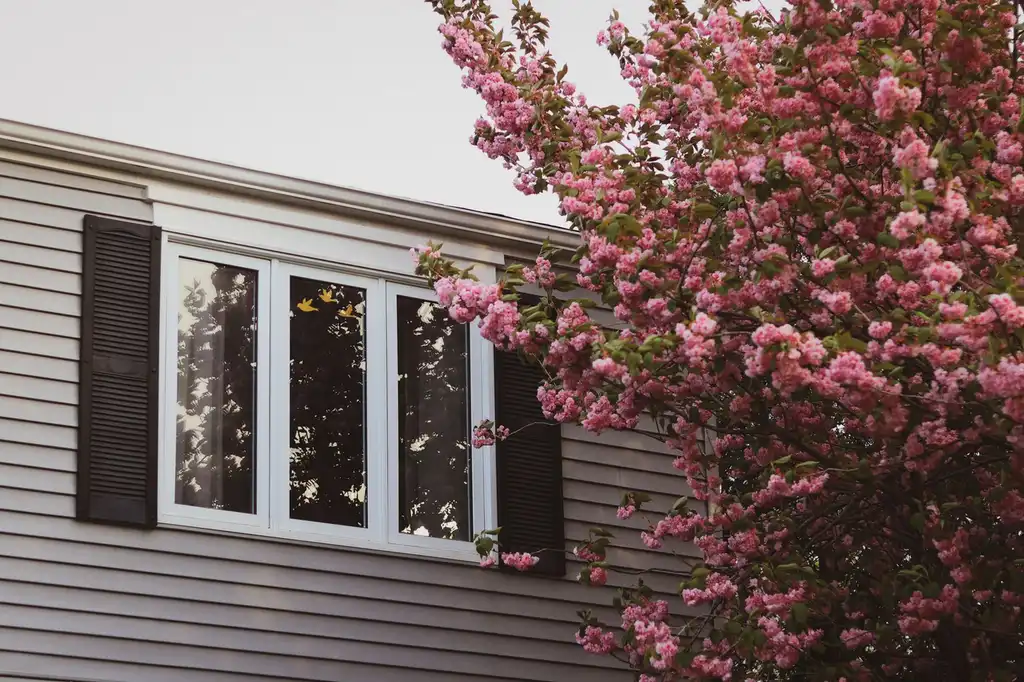
Spring pollen has coated the siding and window trim after weeks of breezy, dry weather.
We inspect the cladding and rinse pollen from the specified elevations, paying attention to ledges and trim where yellow dust settles. We protect planting beds and keep spray controlled around window frames. If the surface is still cold or temperatures are below 40 degrees Fahrenheit, we plan the cleaning for a safer drying window.
Outcome: Your exterior looks cleaner before the main outdoor season, and the siding is easier to inspect for cracks or loose edges.
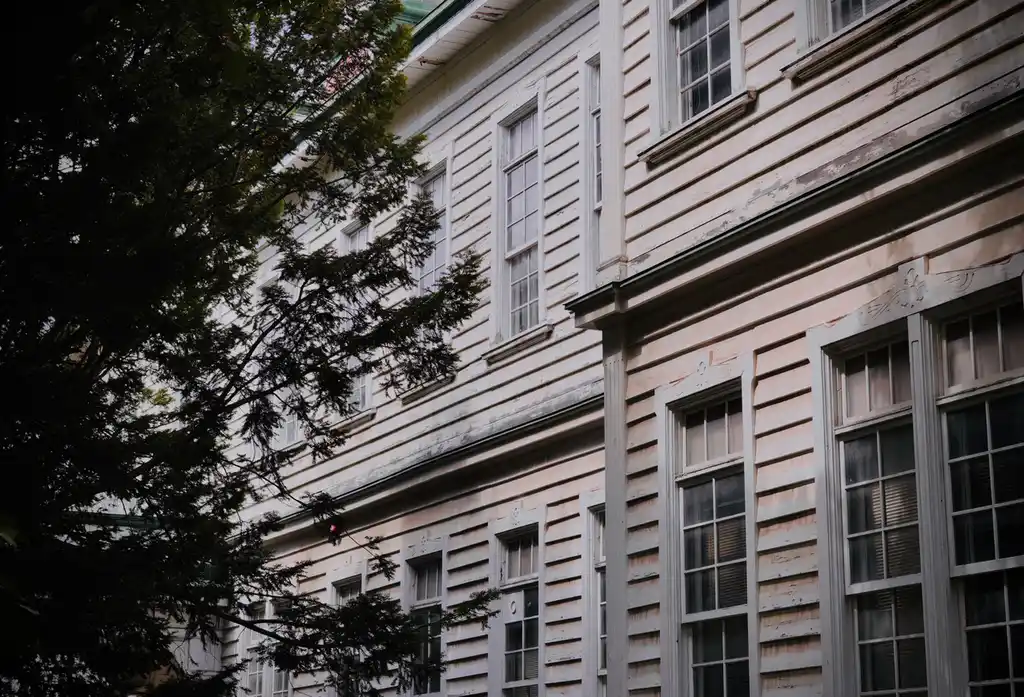
A home in the Farmington Historic District has dirt on older painted siding and delicate trim.
We check the coating for peeling and cracking, test a discreet area, and use a gentle rinse rather than a high-pressure pass. We avoid directing water into joints and explain which marks are embedded weathering. If the paint is failing, we recommend preparation or repair instead of aggressive cleaning.
Outcome: The wash removes suitable surface soil while preserving fragile areas and clarifying what the exterior needs next.
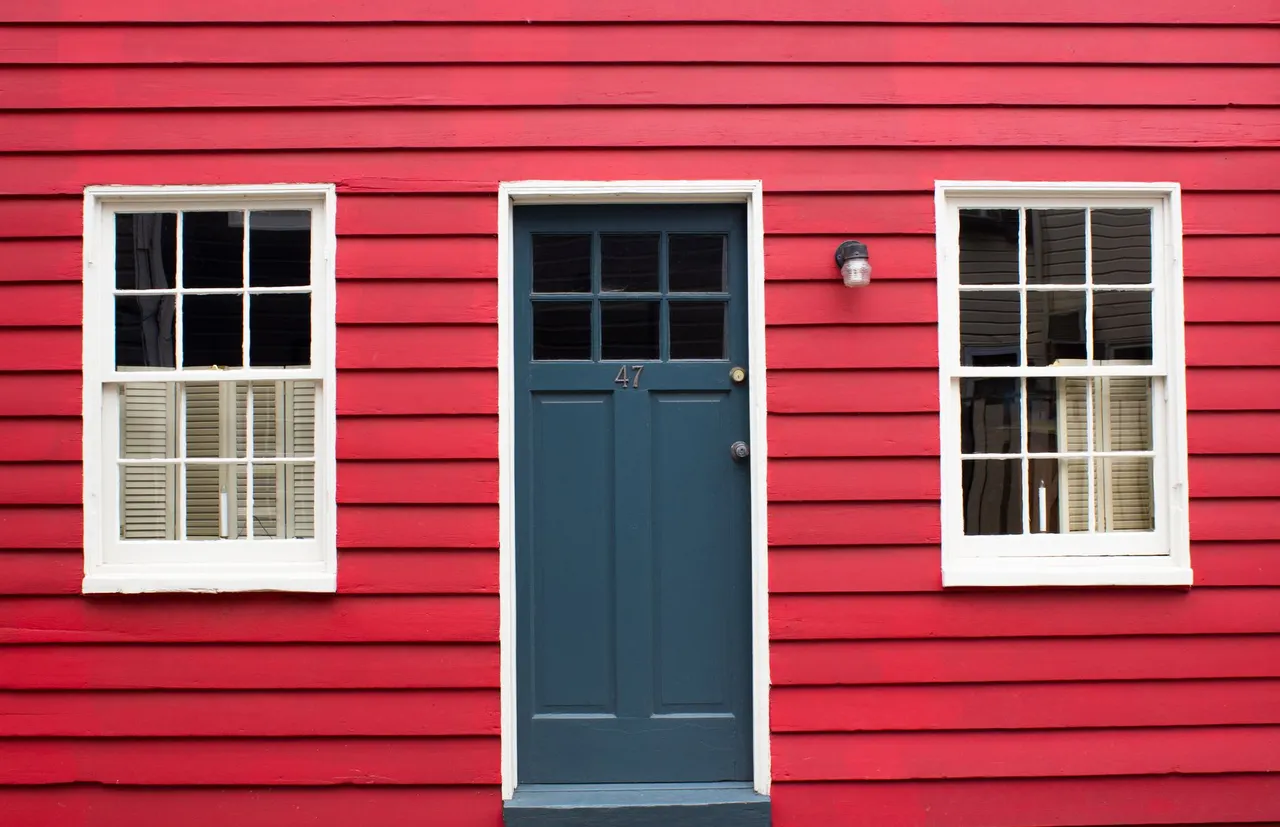
You are preparing a Farmington property for listing photographs or a tenant turnover.
We focus on visible elevations, entry areas, and siding around windows and doors. Our team checks access, removes ordinary dirt, and rinses each section evenly. We also point out conspicuous loose panels or trim concerns that could affect the property's appearance or require attention before showings.
Outcome: A cleaner exterior presents better in person and in photographs, with no need to disguise repair issues under a rushed wash.
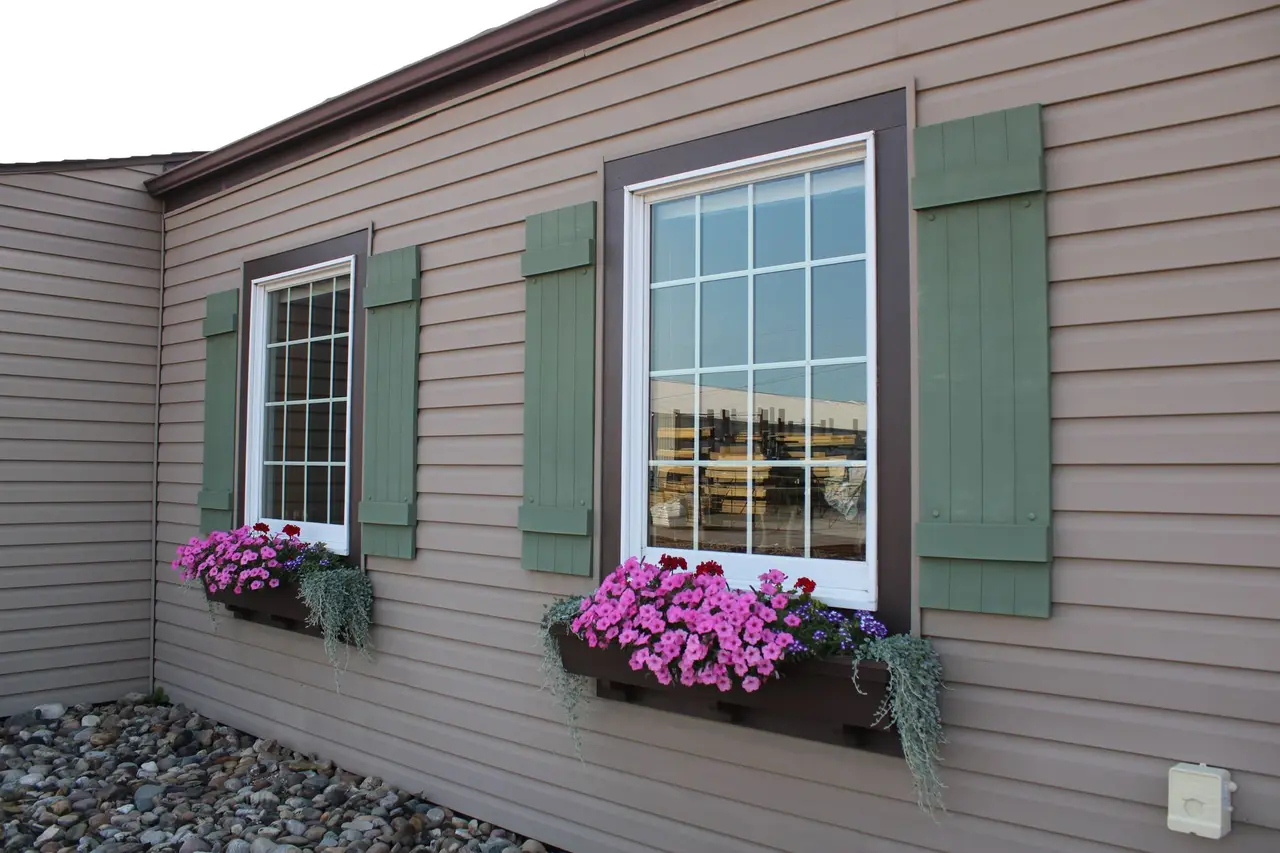
Tree shade leaves recurring dark marks on the north wall of a Farmington Woods home.
We assess whether the marks are surface growth, staining, or finish deterioration, then select a controlled cleaning method. We pay attention to lower siding courses and nearby vegetation, where airflow may be limited. You get a clear distinction between removable residue and conditions that need a separate repair.
Outcome: The wall is cleaned to the extent its finish allows, and you know which maintenance steps can slow the return of buildup.
Farmington's changing seasons leave different residue on each elevation: spring pollen, summer humidity, autumn leaves, and winter splashback near the ground. As November arrives, falling temperatures and shorter drying windows matter; we schedule washing around conditions that allow the siding to rinse and dry safely.
In older areas, including the Farmington Historic District, painted wood and detailed trim need a gentler approach than sound vinyl. Our exterior siding power washing Farmington service begins with a wall-by-wall review and a check of windows, caulk, and visible panel condition. We pay particular attention to shaded walls, roof runoff, and vegetation close to the house.
For a same-day siding power washing Farmington request, call to discuss the condition and access; we will explain the next available visit rather than promise a time without checking. The work is planned around the property, with safe access and controlled rinsing prioritized over a single high-pressure setting.
Before: A two-story home in Farmington Village had yellow pollen film on its front elevation and dusty residue around the window trim. The owner had tried rinsing from the ground, but the upper courses remained dull. Several planters sat close to the wall, and the siding needed a check for loose edges before cleaning.
After: We protected the planting beds, checked the panels, and cleaned the front and side elevations in sections. The visible pollen film was removed, the trim looked clearer, and the owner could see the siding surface more easily. The work took about three hours, including setup and the final walkaround.
Rinse light pollen with a garden hose during the season and keep shrubs several inches away from the wall. Check window caulk and lower panels during a spring walkaround; arrange repair if joints open or panels loosen.
Before: A shaded side wall in West Farmington showed dark marks beneath a tree canopy. The painted wood finish had a few thin areas, so aggressive pressure risked lifting the coating. The homeowner wanted the surface cleaned before deciding whether the wall needed repainting.
After: We tested a discreet section and used a lower-pressure rinse with controlled cleaner application. Surface dirt came away, while faded paint remained visible rather than being scrubbed off. The wall dried evenly, and we identified two areas where coating preparation would be needed before painting.
Keep branches from rubbing the wall and check the finish each spring. Where paint is peeling, scrape and prepare the surface as a separate task; do not use stronger pressure to remove a failing coating.
Before: A Farmington Hills rental had dusty siding, residue beneath the eaves, and a dirty entry elevation before a tenant change. The property manager needed the exterior refreshed without spraying directly into the window joints or leaving residue on the walkway.
After: We checked the frames, protected the entry area, and washed the accessible elevations in sequence. The siding and trim looked cleaner, and the walkways were rinsed after the work. The job took roughly four hours because of the property's height and access, with a final review of the lower courses.
Schedule a visual exterior check between turnovers and note loose panels, separated caulk, or water marks. A rinse every one to two years often keeps ordinary dirt manageable, while shaded walls may need earlier attention.
Siding power washing near me Farmington searches often begin with dark patches, pollen, or a wall that looks dull beside cleaner trim. We remove washable buildup and explain when a mark points to fading, coating failure, or damage instead. That distinction keeps cleaning useful and prevents a stronger spray from becoming the wrong fix.
A measured wash clears surface grime and makes siding condition easier to see.
Pollen, dust, and road film dull siding over time, especially on sheltered walls. We apply a controlled rinse and compatible cleaning solution to loosen deposits without relying on excessive pressure. On a typical one-story elevation, a crew can clean a manageable section in stages, checking the finish between passes so the wash removes grime without scouring the surface.
A clean wall makes siding peeling and cracking, siding rot, and loose siding panels easier to see. We point out visible concerns as we work, including failed caulk around window frames or signs of water infiltration. Washing does not repair those defects, but it gives you a clearer picture before a small maintenance task turns into a larger exterior project.
Painting and repair work need a clean surface. We remove loose dirt before a coating project and keep water away from open seams or damaged areas. If you are planning siding painting, we can identify spots that require scraping, repair, or drying time first, helping you avoid applying finish over grime or active moisture.
A consistent wash makes the difference between one bright wall and an exterior that looks evenly maintained. We work around doors, trim, and window glass with controlled rinsing, then check corners and shaded sections for remaining residue. The finished appearance is cleaner, and you can judge the condition of each elevation more accurately.
What a written scope covers and what shapes it. Prices are set by the business after the first look.
Included
Depends on
Clear records you can keep and share.
Records areas cleaned and visible issues discussed.
Shows selected surface conditions observed during the visit.
Lists practical cleaning and drying guidance.
Notes completed elevations and final review.
Siding material, finish, and condition determine how water should be applied and where direct spray should be avoided.
Use controlled rinsing without spraying beneath panel laps.
Protect coating and avoid lifting weakened paint.
Repair vulnerable areas before direct washing.
Based in Farmington and covering the places around it. Pick one for local details.
The 2026 price depends on home size, height, access, material, and how much buildup needs treatment. We inspect the siding and explain the price before work starts. Heavy staining, multiple stories, delicate finishes, or extensive protection can increase labor; a compact, accessible exterior usually takes less time.
Farmington Siding and Windows Pro provides siding cleaning for homes and properties throughout Farmington, Connecticut. We check the cladding and visible defects before choosing a low-pressure or controlled wash method. If you search siding pressure washing near me Farmington, call (860) 744-9803 to discuss your siding material, height, and staining. We will explain what the cleaning addresses and whether a repair concern should be handled first.
Most homes need a siding wash every 1 to 2 years, depending on shade, nearby trees, dust, and visible buildup. A shaded wall that stays damp may need attention sooner than a sunny, open elevation. In late fall, clear leaves and check for clogged drainage; schedule washing when temperatures remain above 40 degrees Fahrenheit and the surface can dry safely. Wash sooner when grime becomes visible, not on a rigid calendar.
Yes, excessive pressure or an upward spray angle can crack finishes or force water behind siding. We inspect the surface, test a small area, keep the nozzle at a safe distance, and rinse downward or across the wall as appropriate. Fragile paint, loose panels, open caulk, or rot call for a reduced-pressure method or repair before washing. Proper technique depends on the siding material and its current condition.
Other services from the same team.
Clear away exterior grime and get a closer look at your siding's condition. Our team checks the material, protects vulnerable openings, and explains the cleaning plan before starting. Call (860) 744-9803 to arrange a Farmington service visit.
Call (860) 744-9803 or email [email protected] to describe the siding or window issue at your Farmington home. Our listed office hours are Monday through Friday, 8:00 a.m. to 6:00 p.m.; calls are routed to independent companies. Share the affected area, any visible damage, and whether water is entering so the conversation starts with useful details.