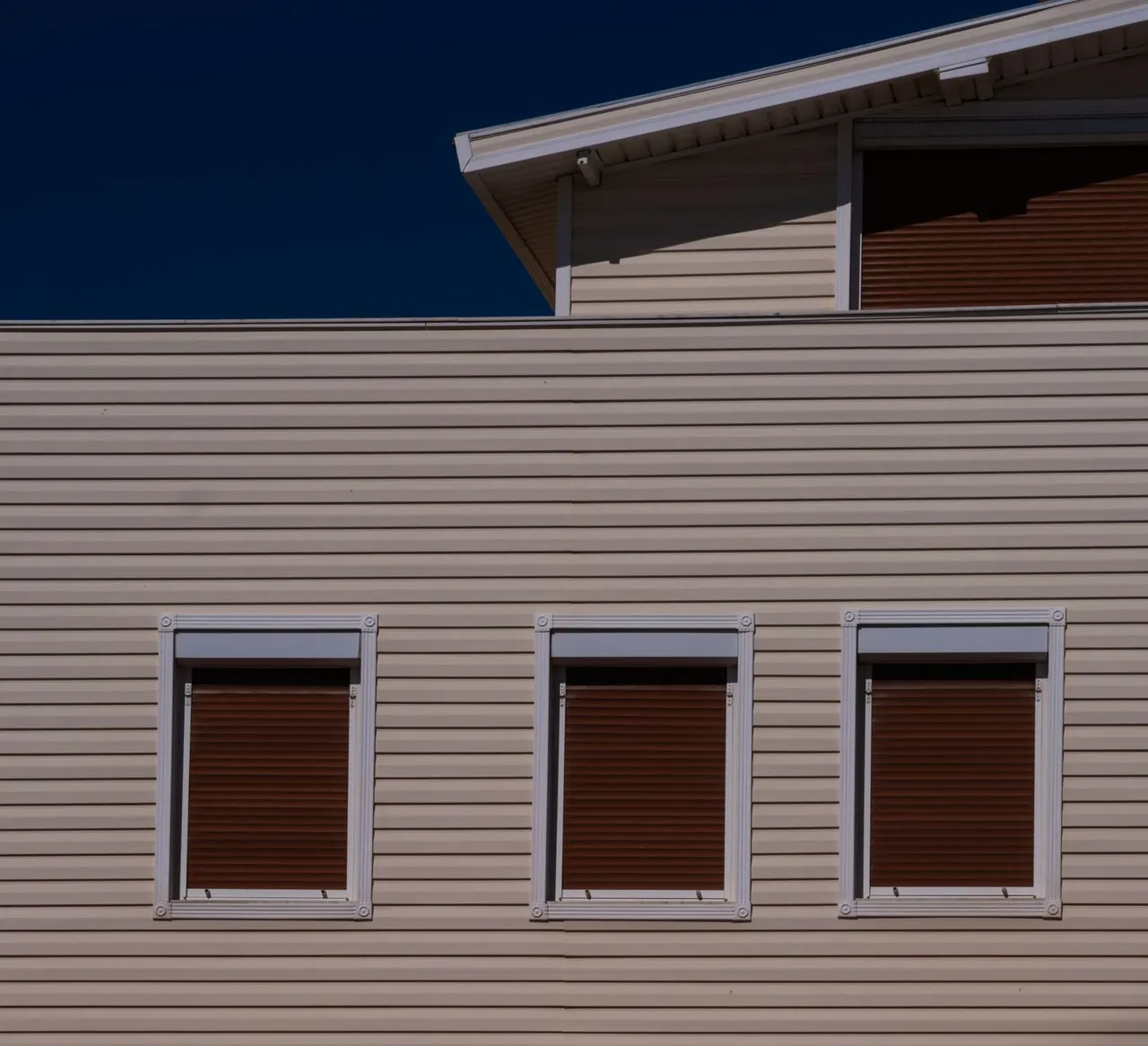
At Home
We inspect your siding and explain which surfaces are ready for coating. You can point out peeling, color changes, or areas near windows that concern you.
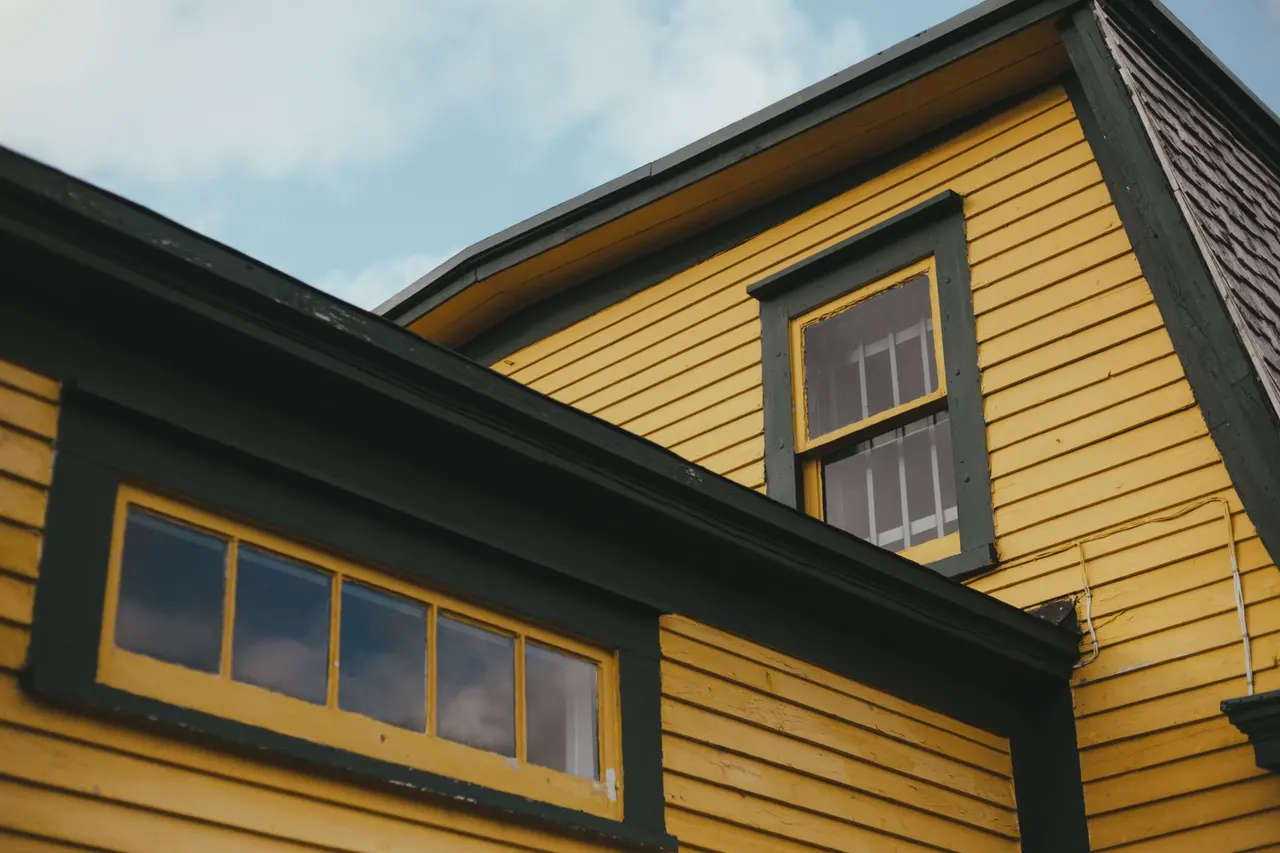
- Faded south-facing siding
- Peeling paint near trim
- Older wood boards needing inspection
Siding Painting in Farmington, Connecticut gives homeowners with faded, peeling, or weather-worn exteriors a practical way to renew sound siding without replacing every panel. Our crew checks the surface, repairs paint-ready defects, and matches the coating system to the material. A siding painting service Farmington property owners choose should protect trim and windows during preparation, explain what needs repair, and leave you with an even, clean finish.
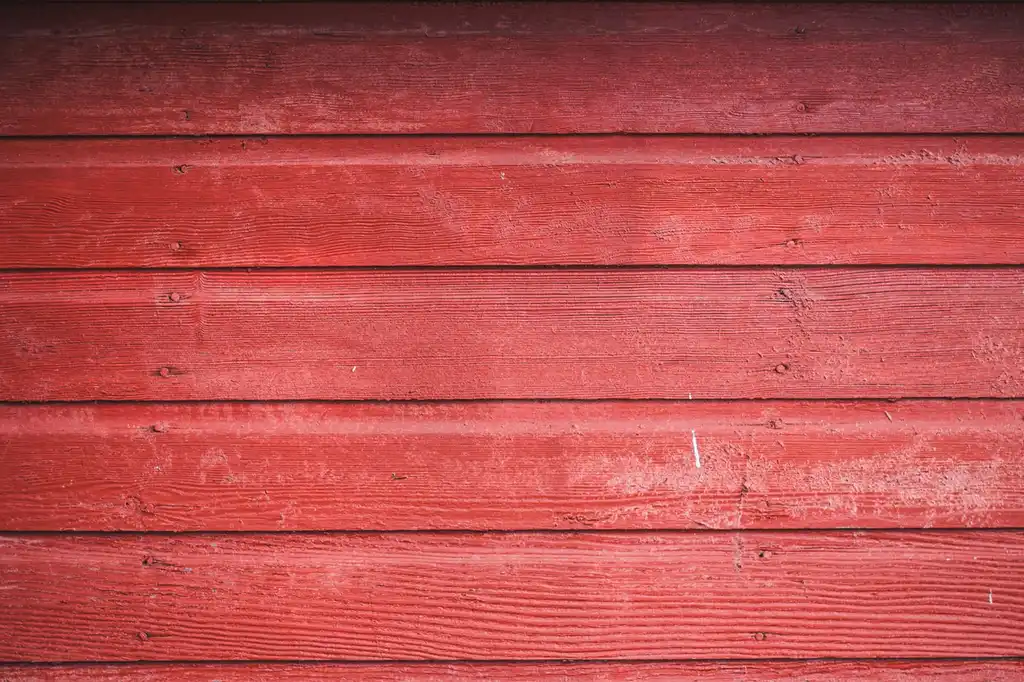 Surface inspectionPaint preparationFinish review
A standard painting project covers inspection of accessible siding, surface cleaning, protection of adjacent areas, removal of loose coating, spot priming, and application of the agreed exterior paint. We also perform a final visual check and clean the work area. Extensive board replacement, concealed water damage, lead abatement, and unrelated window or roof repairs are separate work because they require their own assessment and materials.
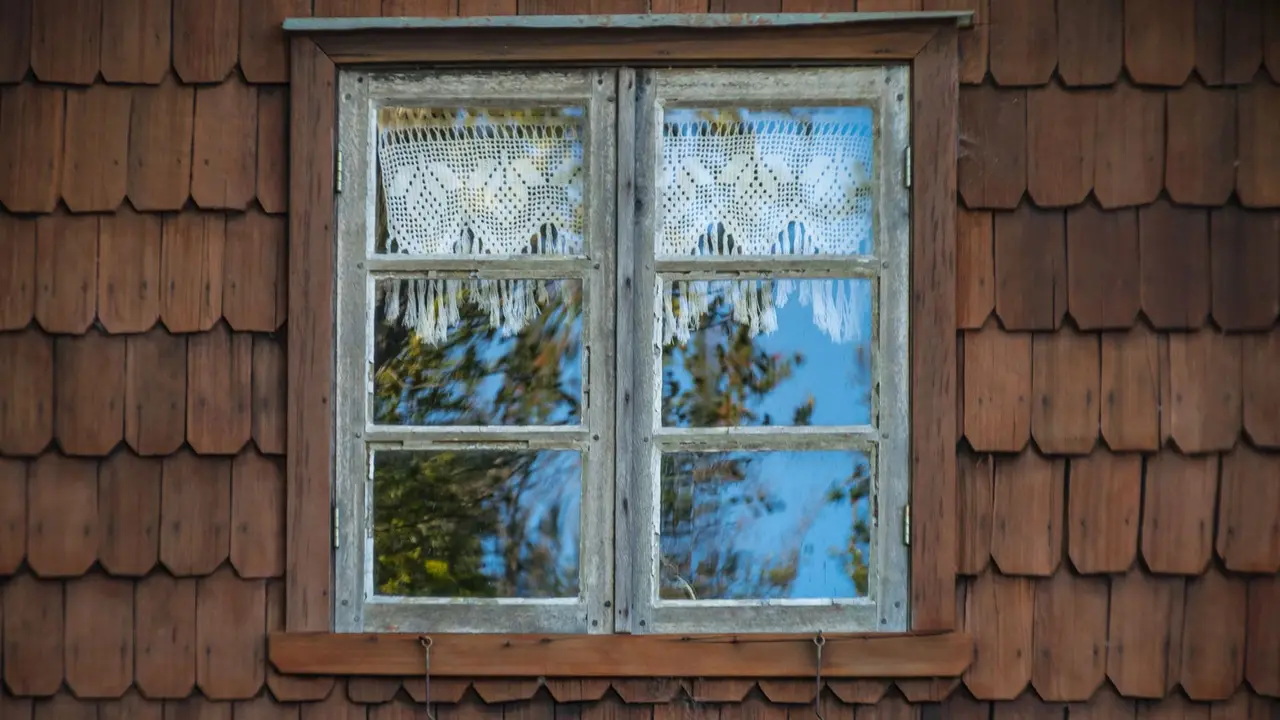
We inspect the siding for peeling paint, chalking, loose panels, exposed edges, and visible moisture damage. The review helps identify paint-ready surfaces and repairs that should happen first. We also note trim and window transitions where careful masking or hand application will be needed.
We clean the exterior using a method suited to the siding, then protect nearby glass, fixtures, plants, and paths. Proper drying matters before primer or paint is applied. We avoid directing water into joints and keep drainage openings clear during preparation.
Loose paint is removed from affected areas, and bare or repaired surfaces receive compatible primer as needed. We feather rough edges where practical to reduce visible ridges. Extensive scraping, specialty lead controls, or replacement of rotten boards needs separate planning.
We apply the selected paint to the agreed siding elevations and related paintable surfaces. Product directions guide coverage, temperature limits, and recoat timing. Spray application, where suitable, is controlled and followed by detail work around edges, trim, and openings.
After the coating is ready for inspection, we check for thin areas, drips, missed edges, and paint on protected surfaces. We remove masking and debris, then review the finished work with you. You also receive basic cleaning and maintenance guidance for the coating.
The approach is the same for a home and a business. What changes is the access, the schedule and who needs the paperwork.
We inspect your siding and explain which surfaces are ready for coating. You can point out peeling, color changes, or areas near windows that concern you.
We review building elevations, access, and customer-facing areas with owners or managers. You can coordinate work zones around entrances, windows, and routine property use.
A plain-language look at what Siding Painting involves and when it is needed.
See how it worksSiding Painting in Farmington, Connecticut is an exterior coating service that renews sound siding and protects it from weathering when the existing finish fades, chalks, or peels. Then we clean, scrape, sand, prime exposed areas, seal suitable joints, and apply compatible exterior paint. Paint cannot repair rot or stop water infiltration behind a wall, so we flag damaged boards and failed flashing before coating begins.
Farmington homes face freeze-thaw cycles, humid summers, wind-driven rain, and strong seasonal sun, all of which stress exposed finishes. On older homes near the Farmington Historic District, careful surface preparation matters as much as color selection; vinyl and fiber cement require different products and application methods. Our Farmington Connecticut siding painting work starts with a surface assessment, especially where siding peeling and cracking, loose siding panels, or soffit and fascia damage appear. If you are comparing affordable Siding Painting in Farmington Connecticut, the right first step is finding out whether the siding is sound enough to paint.
Sound siding, suitable preparation, and compatible paint are the foundations of a durable exterior finish.
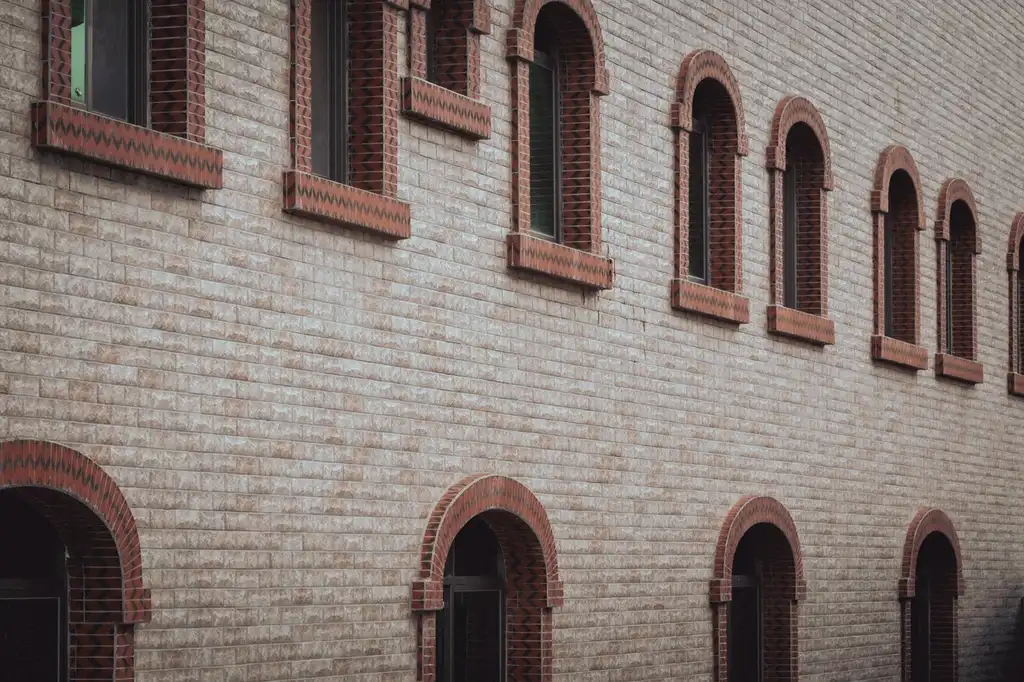
Siding Painting in Farmington follows a practical sequence: inspect, prepare, prime, coat, and check. We explain the work area and access needs before setup, then keep you informed as each elevation is completed. Weather and surface condition guide the schedule because paint needs suitable temperatures and dry conditions to cure properly.
We walk the exterior with you, identify the siding material, and look for chalking, peeling, soft boards, open joints, and moisture entry points. A tape measure and level help document dimensions and identify uneven areas around trim. This first visit usually takes 30 to 60 minutes for a typical house, depending on access and exterior complexity.

Before washing or scraping, we cover plants, fixtures, and nearby window glass, then set ladders or scaffolding where needed. A power washer is used cautiously and only at a pressure appropriate for the surface, with time allowed for drying. We remove loose paint with hand tools and keep debris contained so your paths and outdoor areas stay orderly.
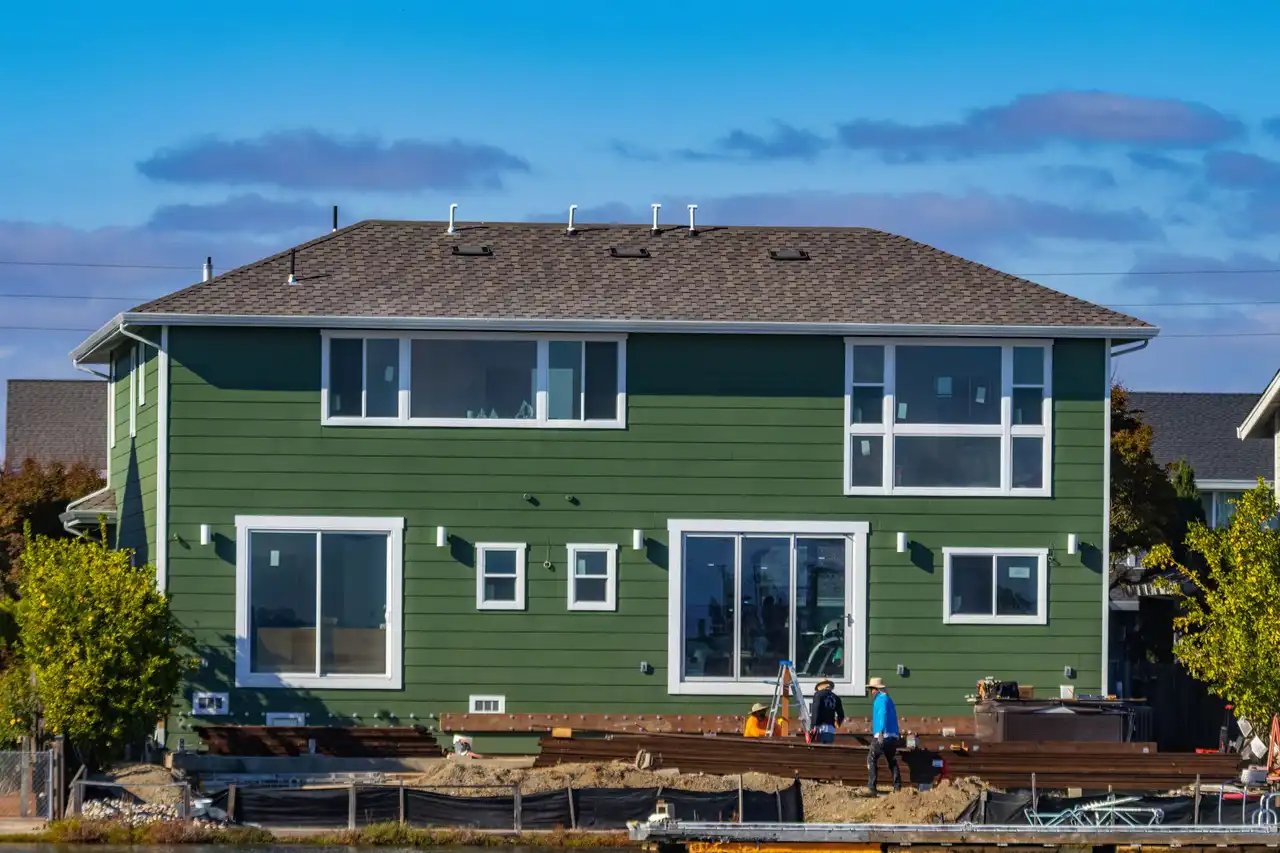
We replace or repair paint-ready defects agreed for the job, remove failing coating, and prime bare or repaired areas with a compatible primer. A caulking gun applies paintable caulk only at appropriate joints; drainage paths and weep openings remain clear. This stage can take a day or more when scraping is extensive or the siding needs extra drying.
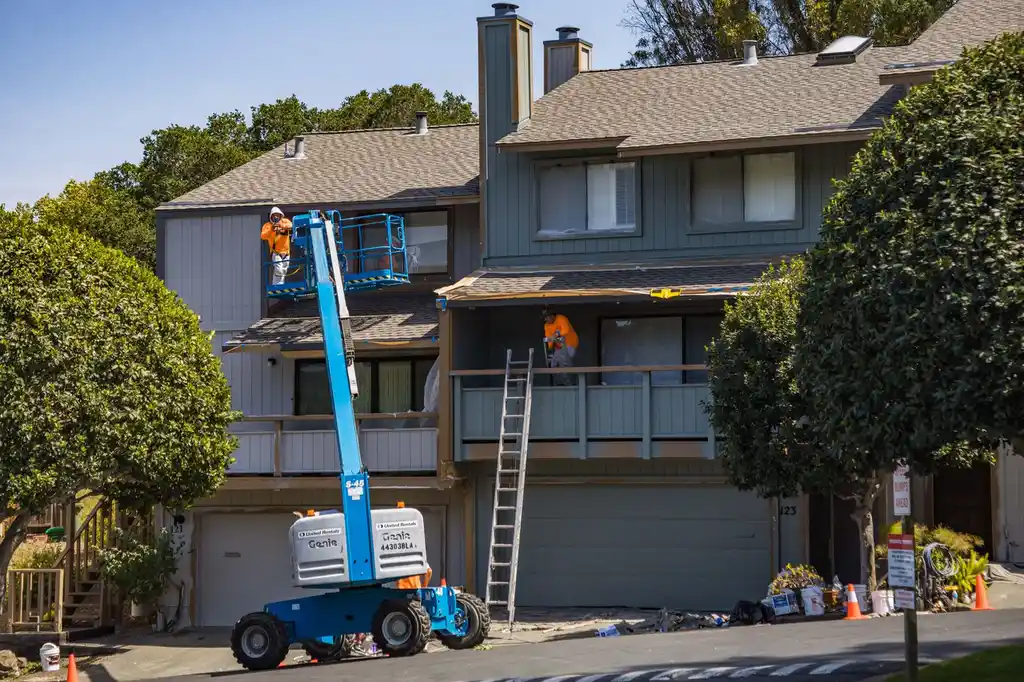
Our painters apply exterior paint with brushes, rollers, or controlled spray methods selected for the siding profile and product directions. We follow the manufacturer's coverage and recoat interval rather than rushing a second coat. Most standard projects require one to three working days of painting, with weather and setup affecting the calendar.
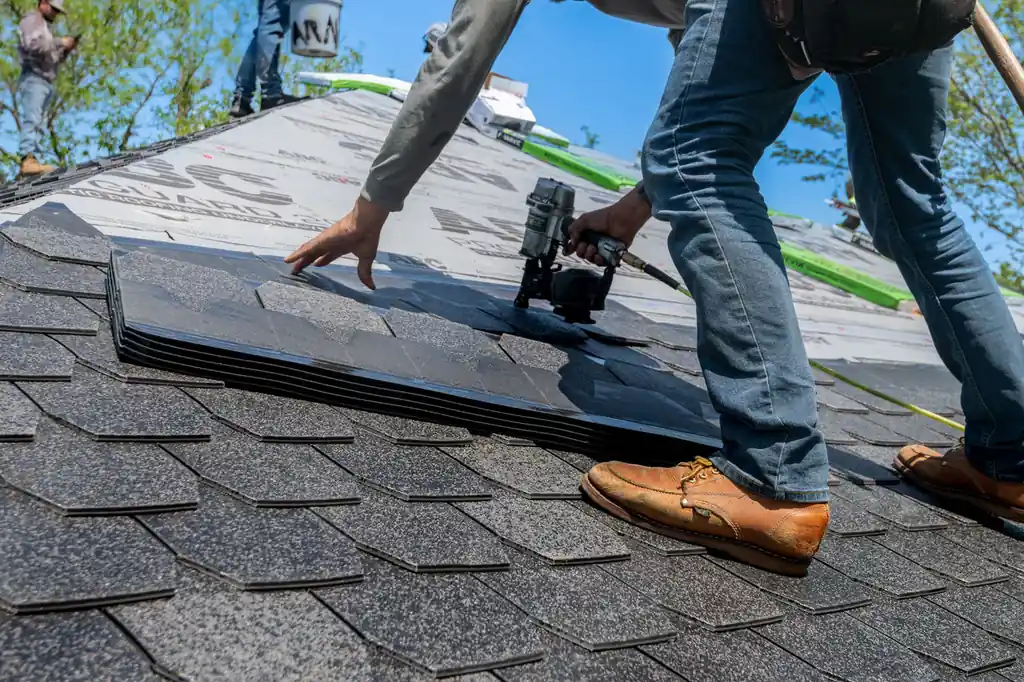
We inspect the completed elevations in daylight for missed edges, uneven coverage, drips, and clean transitions at trim and windows. We remove masking, collect debris, and walk the work with you before packing away equipment. You receive care guidance for the coating and a clear note of any separate repair items observed during the job.
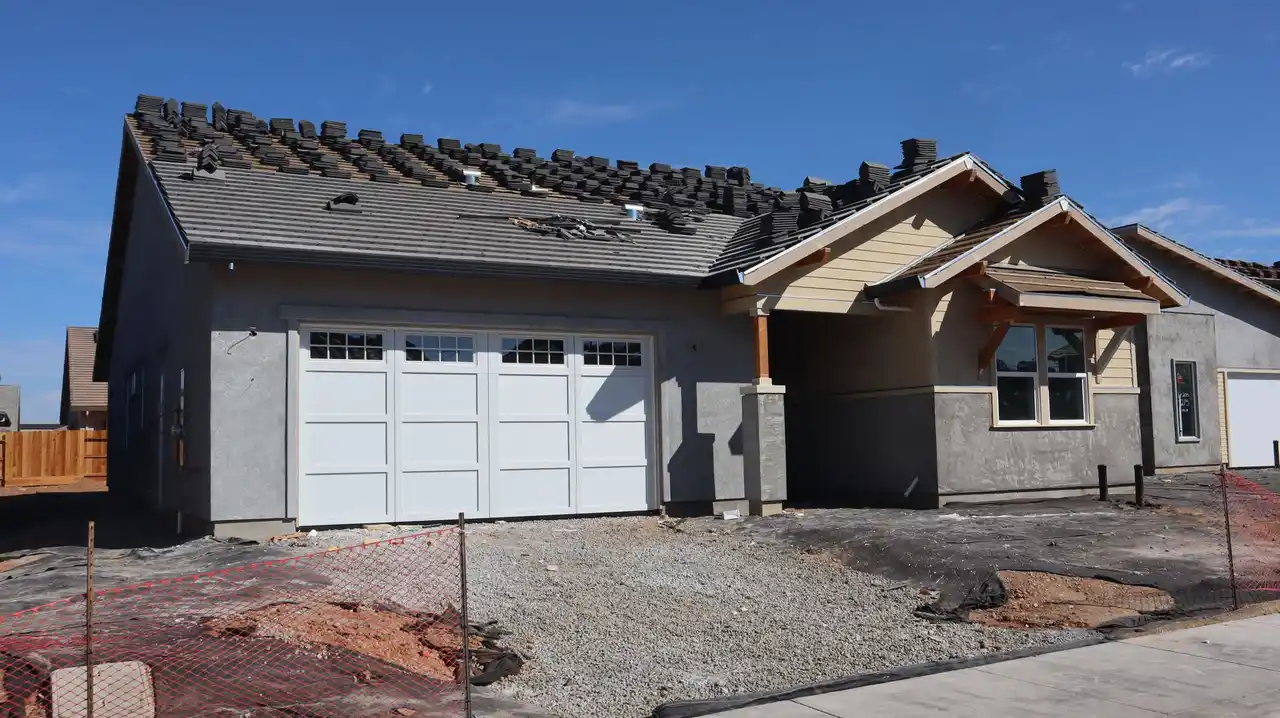
Move across a circle, or focus it and press Enter, for an illustrative thermal view of the photograph.

We use controlled pressure to remove dirt and loose surface residue, adjusting distance and technique to avoid forcing water behind siding.

We apply paintable caulk to appropriate joints and trim transitions after removing failed material, while preserving drainage openings.
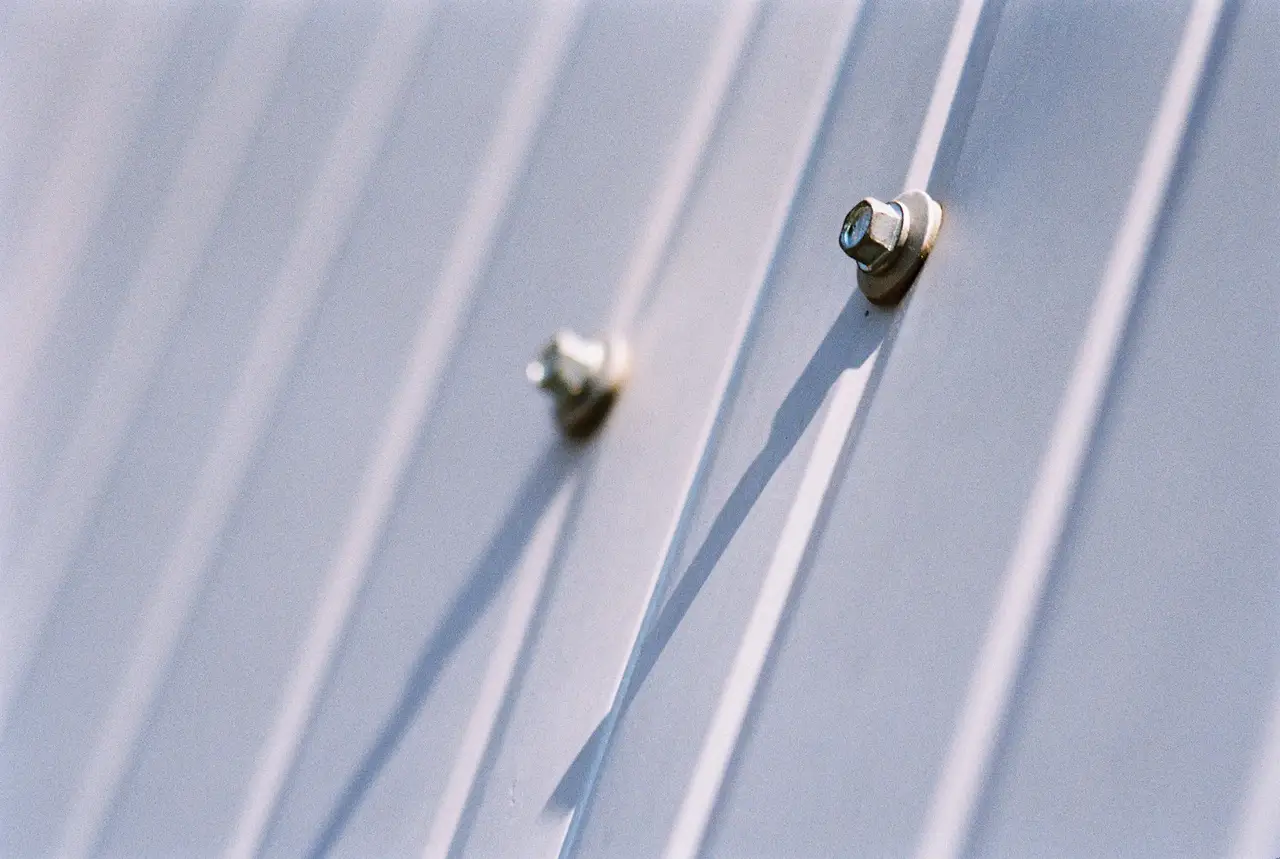
We choose stable access equipment for each elevation, keeping the work area organized and using a safety harness where the setup requires fall protection.
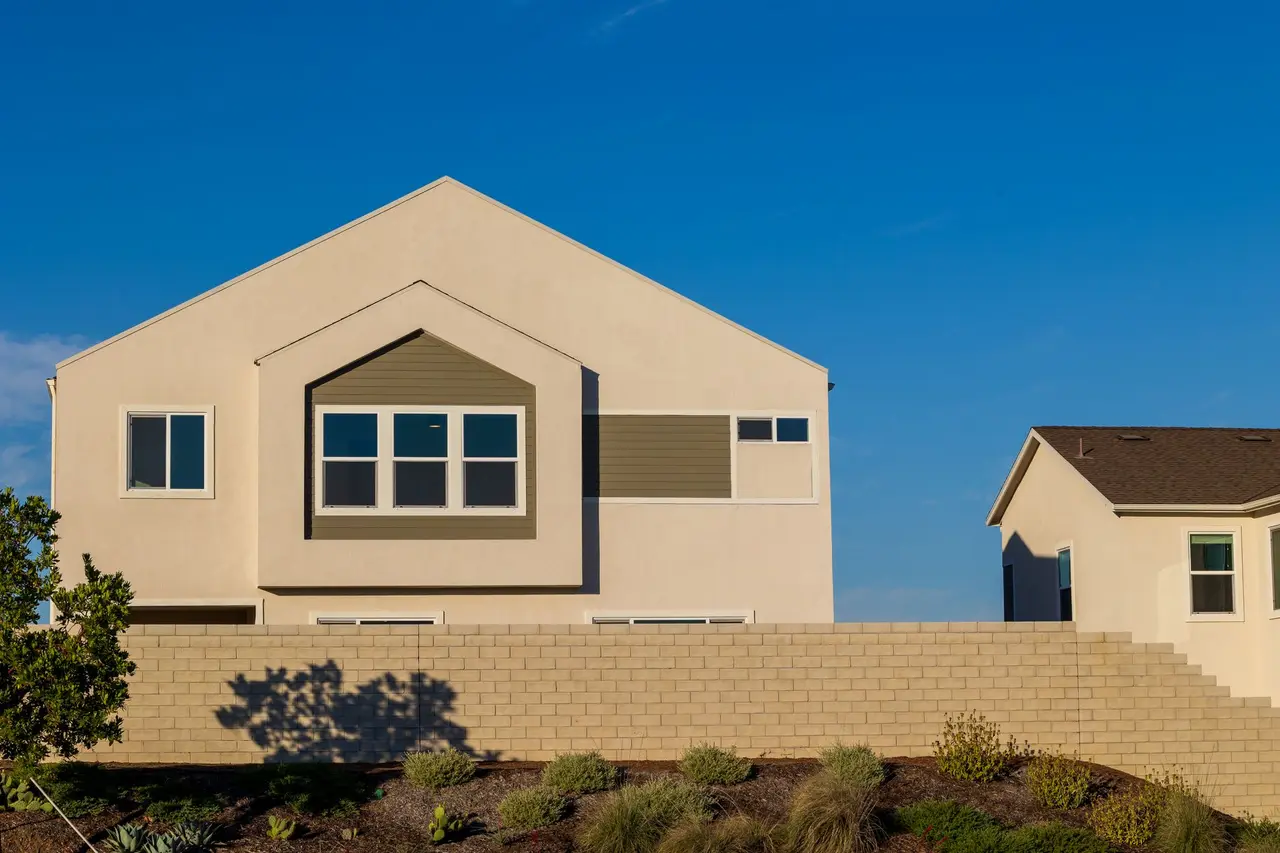
We use a utility knife to score paint edges and trim masking cleanly, limiting accidental damage to adjacent surfaces.
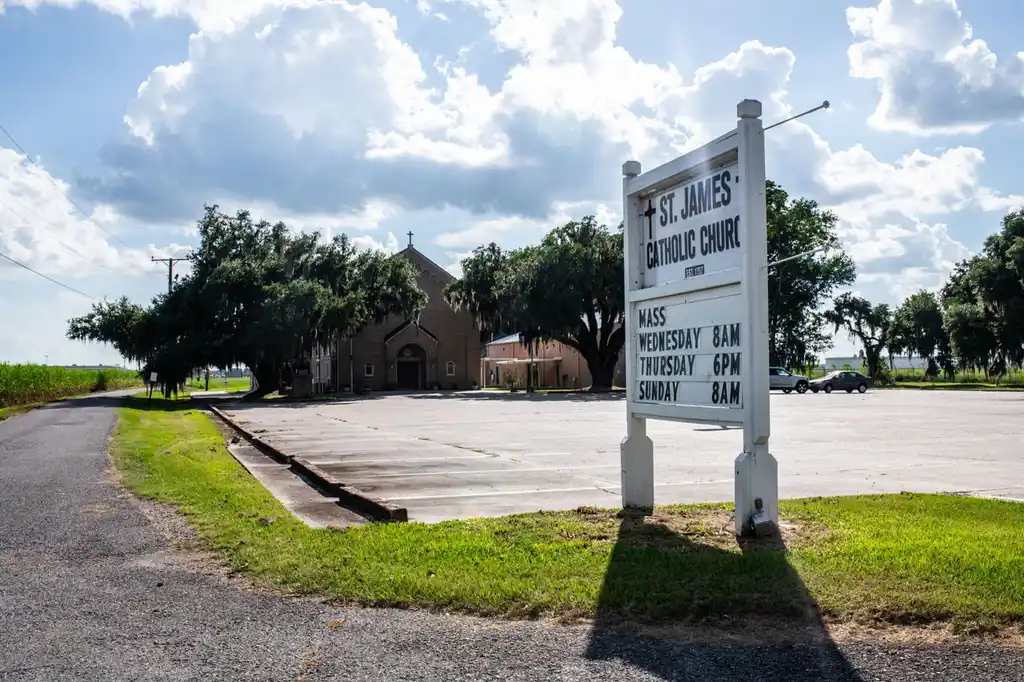
These tools help document dimensions and check trim lines or surface transitions before preparation and finish work.
Thermal views are illustrative, generated from the photographs.
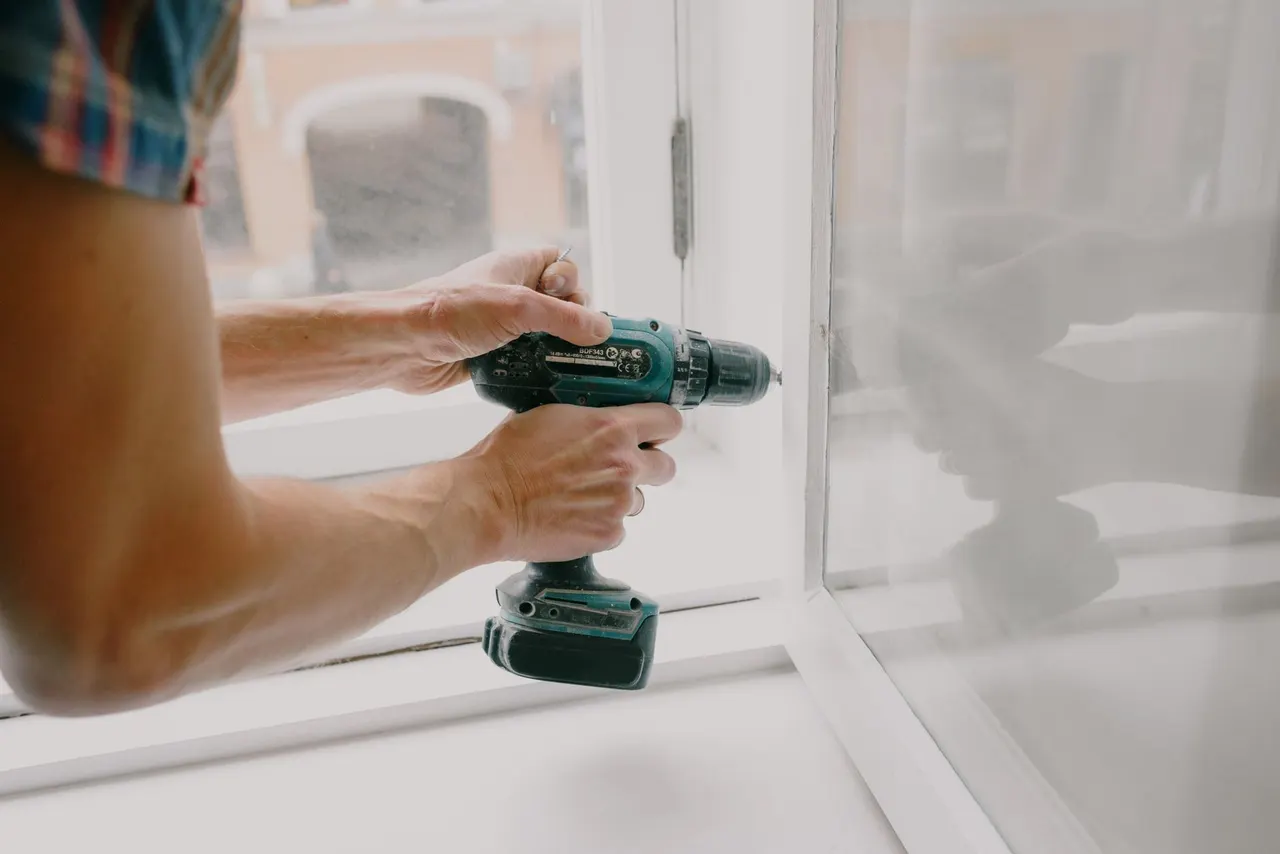
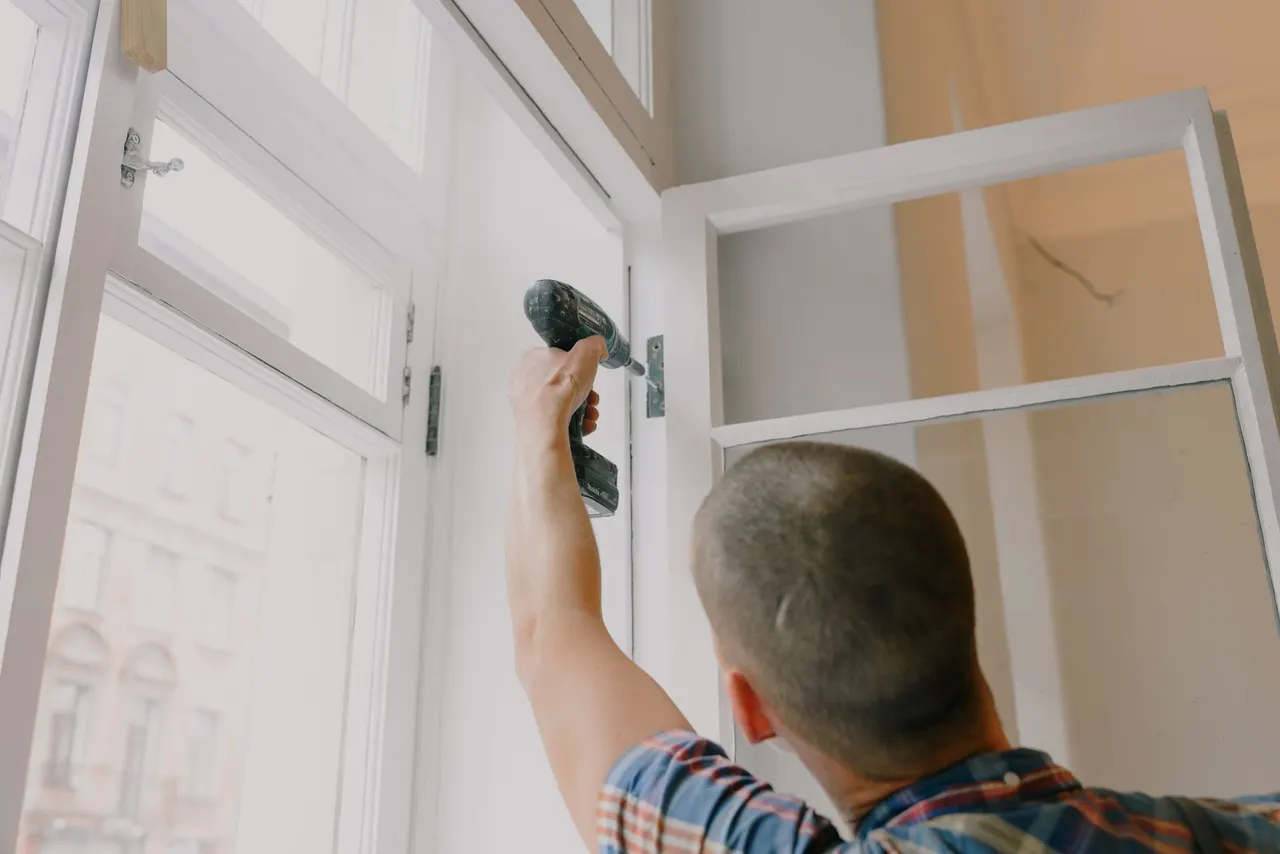
Where an agreed repair requires re-securing a compatible panel or board, a siding nailer helps fasten it without unnecessary surface damage.
We identify the siding type and check existing finish condition before selecting primer and paint. Vinyl, fiber cement, and wood each have different preparation needs, color considerations, and product instructions. We follow the manufacturer's stated temperature, coverage, and recoat requirements for the selected system.
We wash without flooding joints, allow appropriate drying time, scrape loose coating, and feather rough edges where feasible. Bare areas receive primer suited to the substrate so the finish has a consistent base.
We select brushing, rolling, or spray application based on the siding profile and site conditions. Spraying is controlled to limit overspray, with back-brushing or hand work where needed for coverage. We protect openings and inspect edges, corners, and trim transitions before removing masking.
We check surface dryness, air temperature, and the product's application limits before coating. In November, cold nights and shorter daylight can restrict exterior work, so suitable weather windows matter. We avoid applying paint when rain, dew, or temperature conditions conflict with the manufacturer's directions.
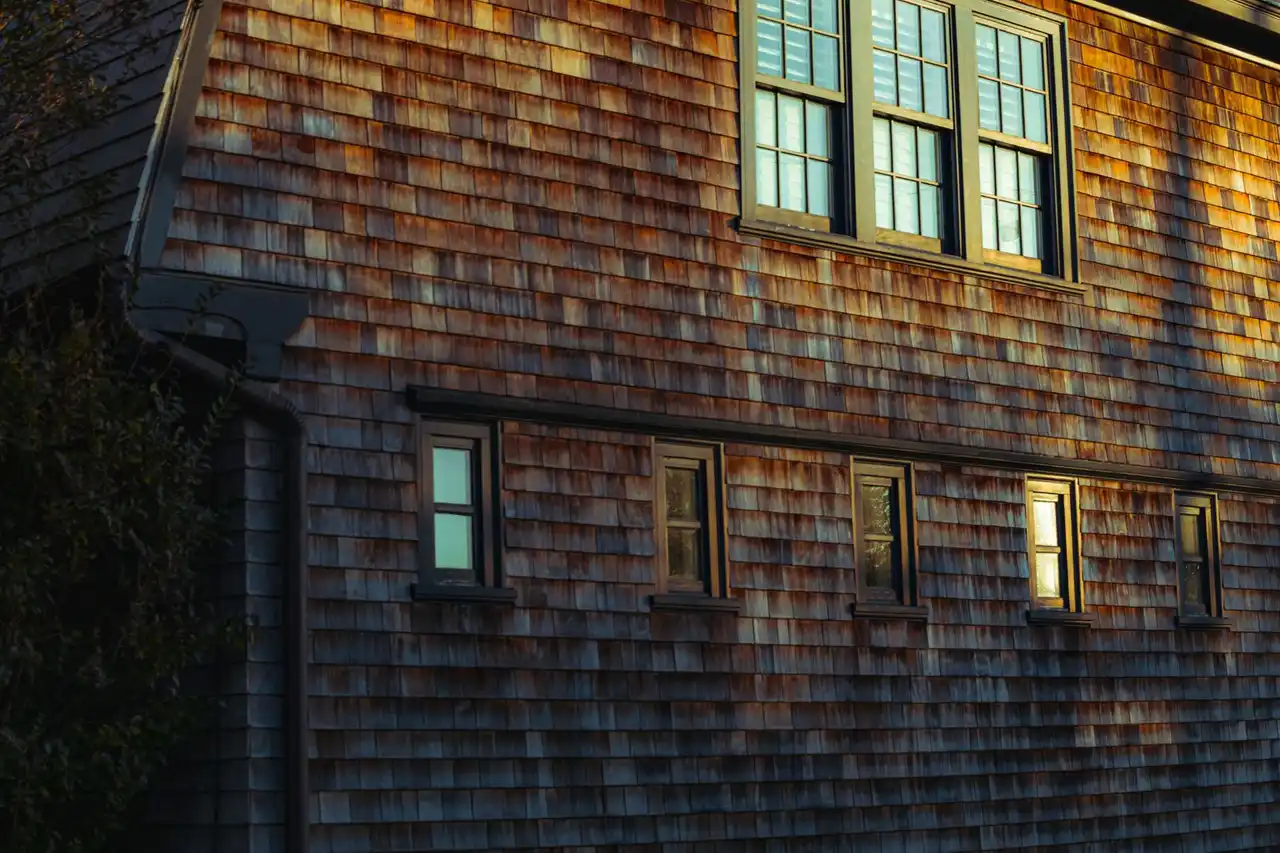
A Farmington Village home has sound wood siding but widespread faded color after several sunny seasons.
We inspect the boards for rot and loose paint, wash the surface, scrape failing edges, and prime exposed wood. Then we apply a compatible exterior coating across the agreed elevations. If repairs are needed, we identify those areas before the paint work starts.
Outcome: The home gets an even, refreshed finish while sound siding stays in place. You avoid replacement work where the existing boards remain stable.

A west-facing wall in Farmington Hills has peeling paint after repeated rain and strong afternoon sun.
We check the wall for moisture entry, failed joints, and surface chalking before choosing a preparation method. The crew removes loose coating, allows the siding to dry, primes bare areas, and applies paint within the product's temperature and weather limits.
Outcome: The wall receives a stable finish based on the cause of failure, not a quick cover-up. You also know if a repair is needed beyond painting.

A homeowner near Downtown Farmington wants to update exterior color before listing a well-maintained house.
We review the siding and trim, discuss coating compatibility, and protect windows, fixtures, and paths during the work. We focus on consistent coverage and clean cut lines so the refreshed exterior reads clearly from the street.
Outcome: The house presents a cleaner, more coordinated appearance without unnecessary siding replacement. The planned work addresses visible wear while preserving sound materials.

A Farmington Woods property has several loose panels and peeling trim beside aging window frames.
We inspect panel attachment and trim condition first, then identify repairs that must precede paint. If a window issue or loose siding requires separate repair, we coordinate the sequence so the coating does not block access or cover a defect.
Outcome: The painting plan follows the actual condition of the exterior. You avoid paying for a finish that would need to be disturbed by repairs soon afterward.
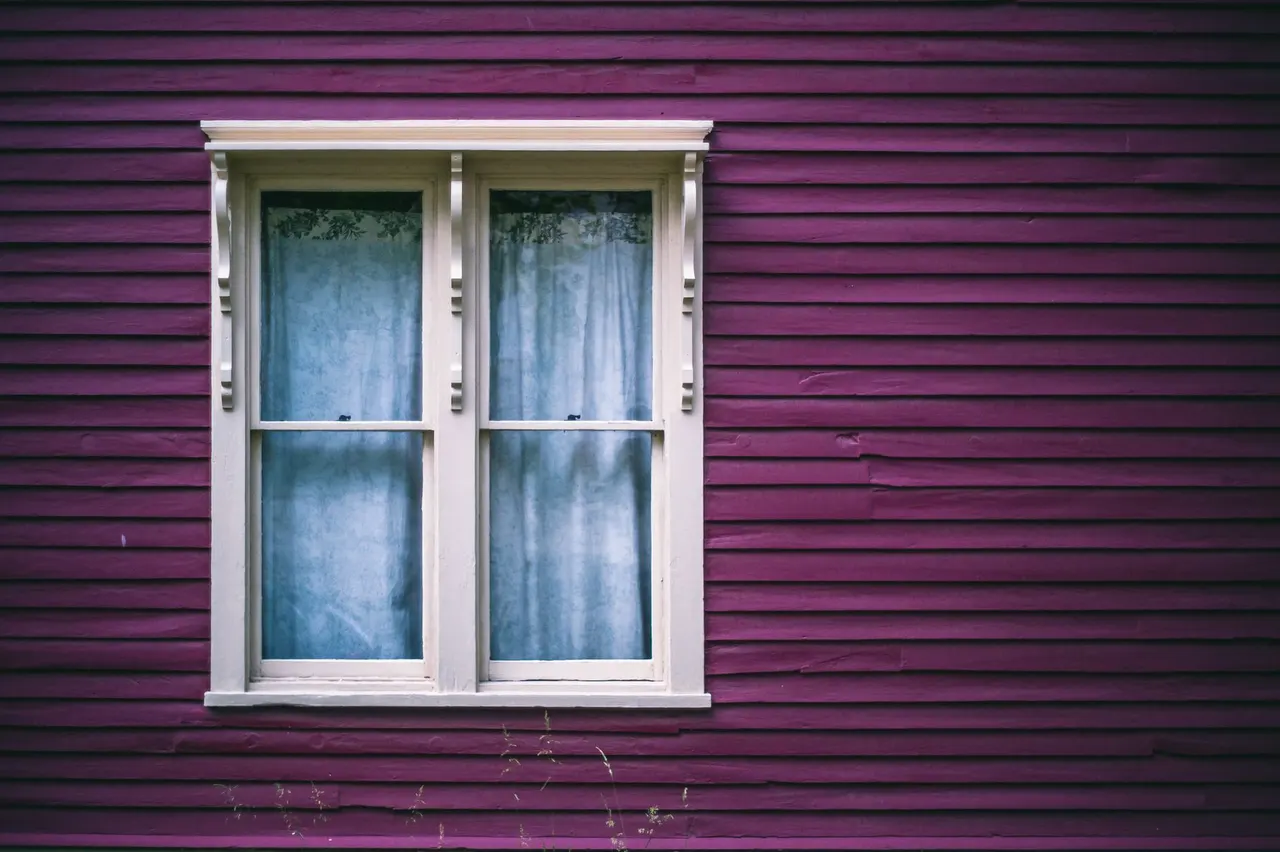
Farmington's four-season weather affects both paint selection and scheduling. In November, colder nights, shorter daylight, and damp mornings can narrow the hours available for exterior coating; we check the surface and forecast against the paint manufacturer's temperature and drying requirements. Spring brings freeze-thaw damage to joints and exposed edges, while humid summer weather can slow drying in shaded areas.
Our siding painting service Farmington Connecticut homeowners call for begins with exposure, material, and moisture checks rather than assuming every elevation is alike. Older houses near the Farmington Historic District may have detailed trim or several generations of paint, so scraping and masking require care.
On newer homes in Farmington Hills or Farmington Woods, we check panel movement, caulk, and window transitions. We use safe access equipment and keep drainage openings clear. If paint is hiding a moisture problem, we identify the issue before applying a finish.

Before: A Farmington Village home had peeling paint along the south wall and dull color on the remaining elevations. Several exposed board edges needed attention, and the homeowner was unsure whether repainting would hold. We inspected the wood, checked for soft areas, and identified a handful of repairs before setting the coating plan.
After: We prepared the sound boards, primed exposed wood, and applied two finish coats across roughly 1,800 square feet. The home had a consistent color from front to rear, with clean edges at windows and trim. The small damaged sections were addressed before painting rather than concealed beneath the finish.
Rinse dirt from the siding each spring using gentle water pressure and inspect exposed edges after winter. Address peeling paint or failed caulk early; do not direct high-pressure water into joints or behind boards.
Before: A two-story home in West Farmington showed peeling paint around upper trim and several loose siding sections. The owner had noticed recurring chips after winter but had not confirmed whether water was entering. Our inspection found failed paint and a small area that needed repair before a coating could be applied.
After: After securing the agreed loose section and preparing the upper elevations, we primed bare spots and applied two coats to approximately 2,400 square feet. The finished wall had an even appearance, and the trim edges were clean. Setup and application took four working days, with drying and weather conditions included in the schedule.
Check upper trim and joints from ground level each spring for peeling, gaps, or staining. If a ladder is needed, leave that inspection to a trained crew and avoid disturbing coating that may contain lead.
Before: A Farmington Hills homeowner wanted to change the look of sound vinyl siding that had faded unevenly. Several panels faced direct afternoon sun, and the existing color made the front elevation appear washed out. We checked the panels and reviewed coating compatibility and color limits before starting.
After: We cleaned and prepared approximately 1,600 square feet of vinyl siding, then applied a compatible coating in a lighter selected color. The refreshed surface looked more uniform across the sun-exposed and shaded walls. Window glass and trim stayed protected, and the final review found no missed sections or paint transfer.
Wash vinyl gently as needed and check for cracks, loose panels, or impact damage. Keep shrubs trimmed back from the wall so surfaces can dry, and follow the coating product's care instructions.
Peeling paint, uneven fading, and exposed siding are signs that a surface needs more than a quick coat. Siding Painting Farmington homeowners arrange begins with identifying why the finish failed and whether the material remains sound. We correct paint-ready defects and point out moisture or structural issues before coating.
A prepared, compatible finish renews sound siding and gives your exterior a consistent appearance.
Sun-facing elevations often fade sooner than shaded walls, leaving the house looking patchy. We clean and prepare each paintable section, then apply a compatible coating for consistent color across siding and trim. Your chosen finish can update the exterior without the material, removal, and installation work involved in full replacement.
A sound paint film helps limit direct exposure to moisture and sunlight, but it only works over a stable surface. We address loose paint, dry exposed edges, and suitable joints before coating. That preparation helps reduce early peeling and gives your siding a more uniform protective layer.
A clean finish depends on details around windows, corners, and trim as much as broad wall coverage. We mask window glass, protect fixtures, and keep cut lines controlled near frames. For Farmington homeowners, that means fresh color without paint on glass, hardware, or adjacent surfaces.
Paint can disguise small color differences, but it cannot make rotten boards or failed seals sound. We identify repairs before coating so you can decide whether to proceed with painting, repair specific areas, or replace damaged sections. This avoids covering defects that need a lasting fix.
What a written scope covers and what shapes it. Prices are set by the business after the first look.
Included
Depends on
Clear records you can keep and share.
Description of completed preparation and coating areas
Selected images of visible work areas
Product-specific cleaning and maintenance guidance
Observed siding concerns reviewed during the visit
The siding material and its condition determine preparation, product choice, and whether painting is the right next step.
Sound siding with a stable surface can be prepared for a new finish.
Dirt, chalking, or loose paint must be addressed before coating.
Damaged or wet siding requires correction before a paint finish.
Based in Farmington and covering the places around it. Pick one for local details.
A small section can cost less, while extensive scraping or multi-story access increases labor. We inspect the siding and explain the cost drivers before giving upfront pricing. The range is a planning guide, not a quote for your specific home.
Farmington Siding and Windows Pro provides local siding painting service in Farmington for homeowners with paint-ready siding. We inspect the material, check for damage, and recommend preparation and coatings suited to the surface. Call (860) 744-9803 to discuss your home, its siding type, and the areas you want refreshed. We serve neighborhoods including Downtown Farmington and West Farmington.
Most standard Farmington homes take 2 to 5 working days from setup through final inspection. Washing and drying, extensive scraping, repairs, multiple elevations, and weather can extend the schedule. Paint also needs the temperature and dry conditions specified by its manufacturer; many exterior products require application above 50 degrees Fahrenheit. We explain the sequence for your house after assessing access and surface condition.
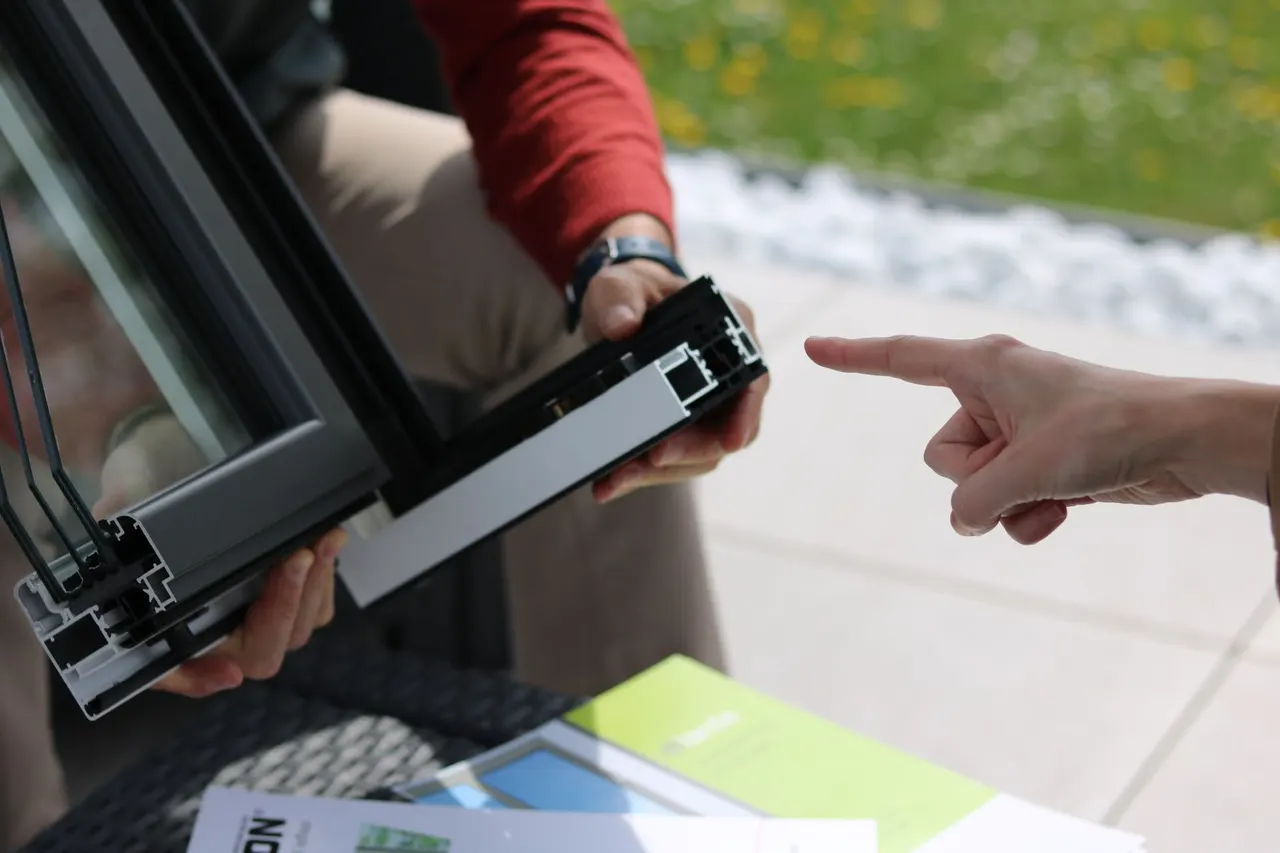
The right paint depends on whether your home has vinyl siding, fiber cement, wood, or another material. We select a compatible exterior coating and primer based on the manufacturer's instructions, existing finish, and chosen color. For vinyl, color selection matters because darker colors can absorb more heat. We check the product limits and surface condition before recommending a system for your Farmington home.
Other services from the same team.
Faded or peeling siding deserves a proper inspection before the next coat goes on. Our Connecticut Home Improvement Contractor team will review your siding, explain preparation needs, and help you choose the next step. Call (860) 744-9803 to schedule a Farmington visit.
Call (860) 744-9803 or email [email protected] to describe the siding or window issue at your Farmington home. Our listed office hours are Monday through Friday, 8:00 a.m. to 6:00 p.m.; calls are routed to independent companies. Share the affected area, any visible damage, and whether water is entering so the conversation starts with useful details.