Fiber Cement Siding Installation in Farmington, Connecticut
Fiber Cement Siding Installation in Farmington, Connecticut gives homeowners a durable exterior upgrade when siding is cracked, faded, or letting water reach the wall assembly. We install fiber cement siding for older homes, renovations, and new exterior projects, including precise cuts, secure fastening, and sealed transitions around windows and doors. Our fiber cement siding fitting Farmington service starts with checking the existing wall, trim, and moisture conditions so you know what the work involves.
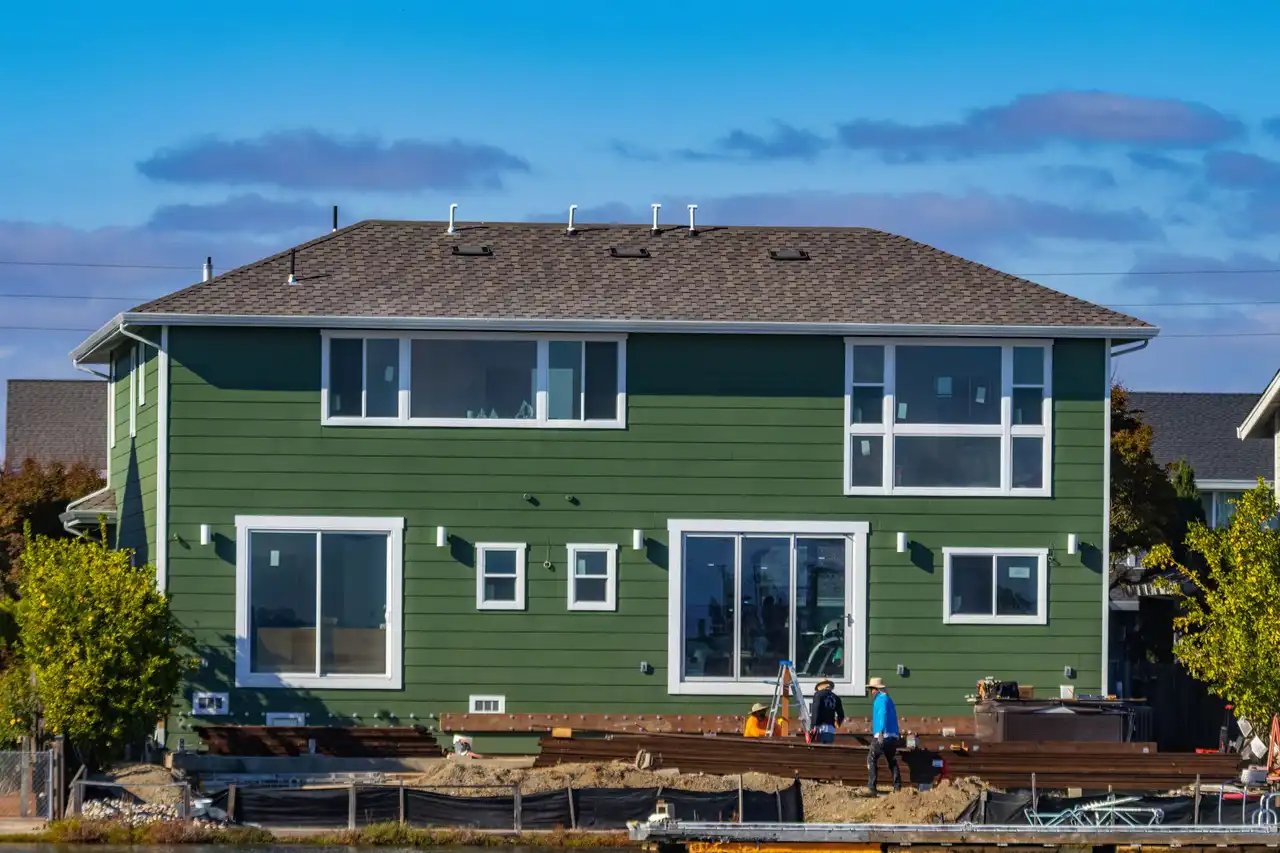
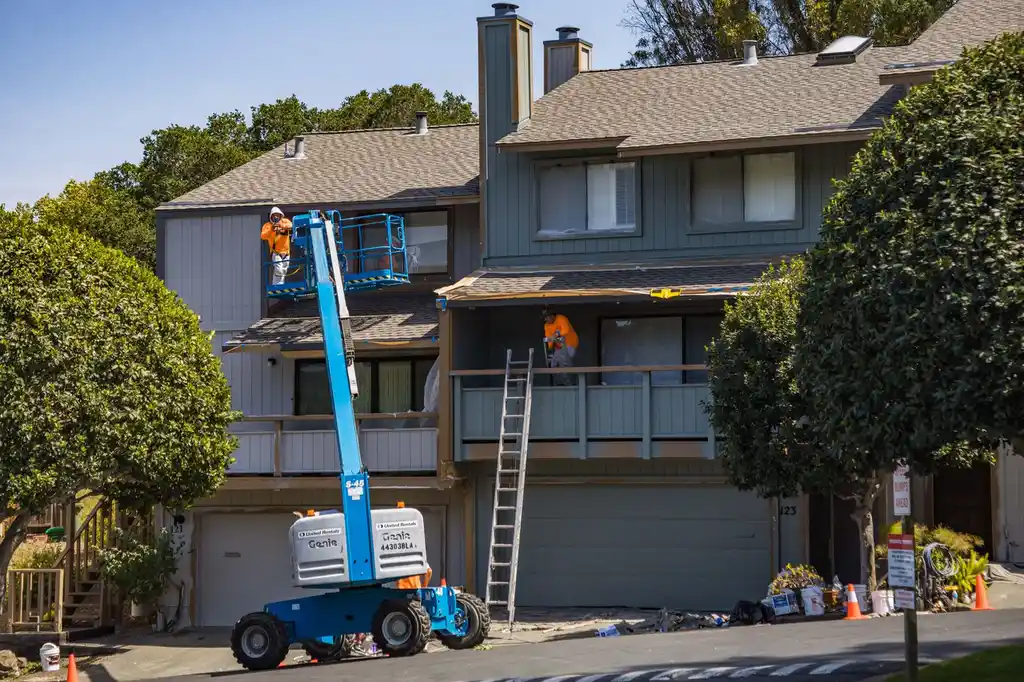
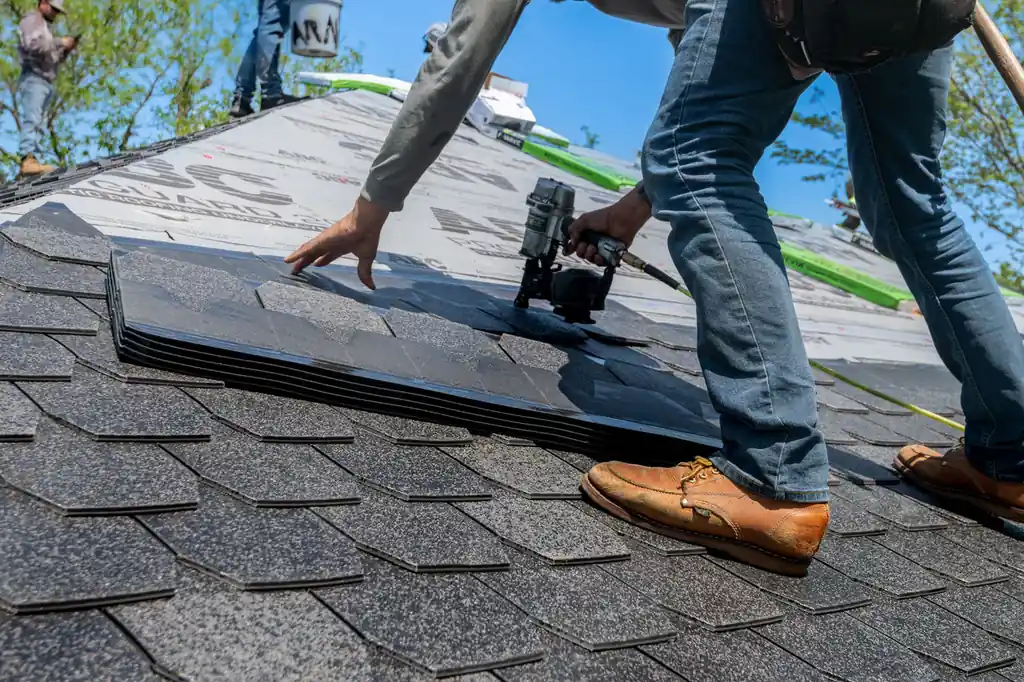
Protected openingsWe cover windows and nearby paths.
Visible preparationWe show wall layers before covering.
Daily cleanupWe clear loose debris from work areas.
What Fiber Cement Installation Includes
Fiber cement siding installation covers the agreed wall areas, board fitting, standard trim transitions, and finishing details shown in the project plan. We inspect accessible sheathing and coordinate house wrap and flashing at openings as required by the existing assembly. Significant structural repairs, window replacement, painting, or additional elevations are separate decisions and are discussed before they are added.
Wall Measurement and Layout
We measure siding areas, openings, corners, and gables to establish board quantities and course placement. Layout planning helps keep lines consistent and identifies where trim or custom cuts are needed before installation begins.
Existing Siding Removal
Where included, we remove the existing cladding and prepare exposed surfaces for inspection. We protect the work area, handle debris, and look for damage that needs attention before new fiber cement covers the wall.
Wall Preparation
The installation includes preparation of accessible wall surfaces and coordination of house wrap and flashing at the agreed locations. We identify visible sheathing damage and discuss repairs so the supporting wall is not concealed without review.
Board and Trim Fitting
We cut and fasten fiber cement boards according to the product's installation instructions, then fit the specified corners and opening trim. Careful measurement and level checks help maintain straight courses across each elevation.
Joints and Cleanup
We finish applicable joints and transitions with compatible materials, review the completed surfaces, and remove project debris from the work area. You receive a walkthrough of visible details and practical care guidance.
Homes and businesses.
The approach is the same for a home and a business. What changes is the access, the schedule and who needs the paperwork.
For Homes
We plan around your household access, outdoor spaces, and the walls that need attention. You can review board profiles and window trim before installation begins.
Cracked boards on a front elevation
Faded siding across several walls
Window trim during replacement
For Properties
We coordinate access and work areas with owners or property managers. You can identify tenant routes, building entrances, and elevations needing staged installation.
Exterior wear near public entrances
Multiple elevations needing replacement
Trim details at office windows
Fiber Cement Siding Installation in Farmington
A plain-language look at what Fiber Cement Siding Installation involves and when it is needed.
Fiber Cement Siding Installation in Farmington, Connecticut is an exterior cladding service that protects a home's wall assembly and renews its appearance when existing siding is damaged, worn, or due for replacement. We remove or prepare the old surface, inspect sheathing, install house wrap and flashing where needed, then fit fiber cement boards to the manufacturer's requirements. Careful spacing matters: boards need the right clearance from rooflines, decks, and grade, with joints and penetrations sealed using compatible caulk. A level, tape measure, circular saw, and siding nailer help keep courses straight and secure.
Farmington's freeze-thaw cycles, wind-driven rain, and shaded sections can expose weak joints, siding rot, and water infiltration. In neighborhoods with older houses, we check trim details and wall layers before covering them; a new finish should not conceal a moisture problem. Our Farmington Connecticut fiber cement siding installation addresses deteriorated panels while protecting openings with flashing and sound caulk. If you are comparing affordable Fiber Cement Siding Installation in Farmington Connecticut, the right starting point is a measured inspection that identifies board quantity, access, and any sheathing repairs.
Sound wall preparation, correct board fitting, and well-detailed openings define a complete siding installation.
What it is
A process for preparing a wall and fitting fiber cement boards as exterior cladding.
When needed
When existing siding is damaged, worn, or being replaced during an exterior renovation.
What to expect
Measured layout, wall preparation, board installation, trim details, and a final walkthrough.
What to Expect During Installation
Fiber cement siding installation in Farmington follows a practical sequence: assess the walls, prepare the site, correct the substrate, install boards, and inspect the finished details. We explain each phase before work starts and keep access, debris, and daily progress clear for you.
Inspect and Measure
We walk the exterior with you, record wall dimensions, and check siding condition, corners, window frames, soffit, and fascia. A tape measure and level help establish quantities and identify uneven areas. The visit usually takes 60 to 90 minutes for a typical house, with extra time for complex elevations or concealed damage.
Walk-around
Measurements
Wall review
Protect and Prepare
Before removal, we protect nearby paths, plantings, and openings, then set ladders or scaffolding for safe access. A window pry bar helps remove trim and old panels without unnecessary damage. We separate reusable items from debris and identify any areas where siding rot or wet sheathing needs correction before new boards cover the wall.
Site cover
Safe access
Removal
Repair the Wall
We inspect exposed sheathing and replace damaged sections as agreed, then install or repair house wrap and flashing at windows, doors, and wall transitions. The substrate must be sound and reasonably flat. You will see the protective layers before they are covered, and we explain any concealed condition that changes the planned work.
Sheathing check
Wrap
Flashing
Fit Boards and Trim
Our crew measures each course, cuts boards with dust-control practices, and fastens them with a siding nailer according to the product instructions. We keep joints staggered where the system calls for it and maintain required clearances. Board fitting often takes several working days, depending on house size, access, and trim complexity.
Board cuts
Fastening
Level check
Seal and Review
We finish corners, openings, and transitions with compatible trim and caulk, then check alignment, fastening, and cleanup. You can review the walls with us before equipment leaves the site. We also explain care for the finish and point out any separate painting or trim work included in your selected project.
Joint finish
Cleanup
Walkthrough
Tools and Installation Methods
Move across a circle, or focus it and press Enter, for an illustrative thermal view of the photograph.
Tape measure and level
We measure wall runs, openings, and course heights, then check alignment as boards go up. Accurate layout helps prevent drifting lines and uneven reveals.
Siding nailer
The siding nailer installs fasteners at the positions and depths required by the selected product. We check fastening as each course is completed.
Circular saw
We use a suitable circular saw and dust-control practices to make measured cuts for board ends, corners, and openings. Cut edges receive the treatment required by the product.
Caulking gun
A caulking gun applies compatible sealant at specified joints and transitions. We avoid sealing locations that the product detail requires to remain open for drainage.
Scaffolding and safety harness
We use suitable access equipment to reach upper walls and gables. Scaffolding and fall protection help the crew work steadily while keeping tools and materials organized.
Thermal views are illustrative, generated from the photographs.
Methods
Manufacturer-directed installation
We follow the selected product's installation instructions for fastening, clearances, joints, and cut-edge treatment. Requirements can vary by board and product, so we verify the chosen system rather than applying generic spacing to every project.
Water-shedding wall preparation
We inspect the layers behind the siding and coordinate house wrap and flashing at windows, doors, and transitions. The goal is to direct water outward and avoid trapping moisture behind the finished cladding.
Course-by-course layout
We establish level reference lines and work across each elevation in planned courses. We check alignment, joint placement, and clearances as we proceed, correcting layout issues before they repeat across the wall.
Opening and trim integration
We treat windows, doors, corners, and roofline transitions as part of the siding system. Flashing and trim are coordinated before boards are fitted so the finished edges protect the wall and look deliberate.
When Fiber Cement Is a Fit
Cracked boards
A Farmington homeowner finds cracked boards and soft trim after a wet winter.
We inspect the affected elevation, check the trim and exposed wall, and determine how far the deterioration extends.
Outcome: You get a renewed wall surface with damaged areas addressed before they are covered, plus a clear explanation of any separate repairs.
Older house
An older Farmington house needs new siding while retaining its original proportions.
We measure the elevations and review board profiles, corner treatments, and window trim with you. Our team plans the courses to suit the home's shape and coordinates details around existing features rather than applying a generic layout.
Outcome: The updated exterior follows the home's lines and presents a consistent finish across walls, corners, and openings.
Window project
A renovation combines new windows with replacement siding on several walls.
We coordinate the work sequence so window openings, flashing, and exterior trim are addressed before the surrounding boards are fitted. You can discuss whether window replacement should happen first and how the siding will meet the frames.
Outcome: The window and siding work come together with fewer disrupted finished surfaces and more deliberate transitions at each opening.
Material choice
A homeowner compares fiber cement with vinyl after recurring exterior maintenance.
We review the current wall condition, exposure, preferred look, and upkeep expectations. Then we compare suitable materials and show how installation details differ, including trim, fastening, and the treatment of joints and cut edges.
Outcome: You can select a cladding system based on the actual house and the maintenance routine you want to manage.
Fiber cement siding installation contractor Farmington homeowners call should understand how local weather and house details affect the job. Farmington's cold winters, wet periods, and freeze-thaw movement make sound flashing and sealed, correctly spaced boards important.
In the Farmington Historic District and other older sections, exterior elevations can include varied trim and nonstandard openings, so we measure each wall instead of assuming uniform dimensions. Our crew checks siding, soffit, fascia, and window frames before setting the layout.
For fiber cement siding fitting near me Farmington searches, the useful first step is a walk-around that identifies damage, access, and the areas you want changed. Work timing also matters: many exterior products require installation within specified temperature and weather conditions, and wet substrates must be allowed to dry.
Farmington Historic District: Older elevations and detailed trim call for careful measurement, compatible profiles, and deliberate board alignment around traditional window openings.
Farmington Woods: Tree shade and nearby landscaping can affect access and surface drying, so we plan setup and inspect shaded walls for persistent moisture.
Downtown Farmington: Varied house styles and close-set exterior details make accurate wall measurements and coordinated trim important before boards are ordered.
West Farmington: We assess each property's exposure and access, then plan staging so upper walls and gables can be fitted safely and consistently.
Freeze-thaw cycles stress exposed joints and aging trim: Repeated temperature changes can widen existing cracks and expose weak caulk or unprotected edges. We inspect those transitions during preparation and replace or detail them as needed before the boards conceal the wall.
Rain and damp shade affect wall preparation: Fiber cement should not cover a wet or unsound substrate. We check exposed surfaces and follow the product's requirements for weather and moisture conditions, adjusting the sequence when the wall needs to dry.
We walk the exterior and explain visible siding and trim conditions.
We protect nearby surfaces and set up access for the work area.
We review completed details, cleanup, and care points with you.
From problem to finished result.
IllustrativeThe thermal view is generated from the photograph. It is not a measurement. Drag the handle, or use the arrow keys once it is focused.
Cracked Front Elevation Renewed
Before: The front wall had multiple cracked boards, peeling finish, and inconsistent patches around two windows. Several joints were open, and the old siding did not line up cleanly with the corner trim. The homeowner wanted a durable replacement without changing the familiar shape of the facade.
After: We removed the affected cladding, checked the wall, and installed fiber cement across the 520-square-foot front elevation. New trim brought the window edges and corners into line, and the final review found consistent courses across the full wall. The refreshed finish resolved the patchwork appearance.
Walk the wall each spring and fall, checking joints, painted surfaces, and areas near grade. Keep soil and plant growth clear of the lower edge, and address damaged caulk or finish before water reaches a cut edge.
Moisture Damage Addressed First
Before: A Farmington homeowner noticed soft siding below a window after repeated rain. The exterior boards had darkened, and the trim joint had separated. Covering the wall immediately would have left a risk of concealed sheathing damage.
After: We opened the affected 90-square-foot section and found a limited area of damaged sheathing. After the repair and wall preparation, we fitted replacement fiber cement boards and coordinated flashing at the window. The repaired section matched the surrounding layout and restored a clean transition below the opening.
Check the window head, sill, and lower trim after heavy rain. Clear debris from the area and watch for staining, soft material, or failed sealant; those signs call for inspection before they spread.
Whole-House Finish Replaced
Before: The house had faded, loose siding panels across several elevations and repeated small repairs that did not match. The owners wanted a consistent exterior and needed the wall openings and roofline details reviewed during replacement.
After: We replaced approximately 1,850 square feet of siding, checked exposed wall areas, and fitted new boards with coordinated corner and opening trim. The work took eight working days, including preparation and cleanup. Straight courses and consistent detailing gave the exterior a unified appearance.
Clean the siding with a gentle method appropriate to its finish and inspect it twice each year. Keep ladders and equipment from striking the boards, and have damaged sections checked before water enters behind the cladding.
Solve Common Farmington Siding Problems
Fiber cement siding installation in Farmington can address failing boards and improve protection when the wall is prepared correctly. We investigate the visible symptom, check the surrounding details, and explain whether the right answer is repair, replacement, or additional wall work.
Cracked boardsCracked and peeling boards expose the exterior wallOpen cracks and failing finish allow water to reach vulnerable edges, while repeated patching can leave the facade uneven and conceal worsening damage. We remove or assess the damaged sections and inspect the surface beneath them. If the deterioration is widespread, we plan replacement with properly fitted fiber cement boards. We also check the surrounding trim and flashing, because new boards alone will not correct a leak at a window or roof transition.
Moisture signsSoft siding or trim suggests moisture behind the claddingUnaddressed moisture can damage sheathing and framing, increase repair work, and leave new siding attached to an unsound surface. We open the affected area as needed and inspect the exposed wall before installing replacement material. Damaged sheathing is identified and addressed within the agreed project. We then review house wrap and flashing details so the repaired area has a clear path for water management.
Loose panelsLoose panels move in wind and leave visible gapsMovement can worsen fastener damage and create openings where wind-driven rain reaches the wall, especially at corners and around trim. We check the loose area, fasteners, adjacent boards, and wall surface to determine whether a local repair will hold. If the system is broadly worn, we discuss full replacement. New fiber cement boards are laid out and fastened to product requirements, with careful attention to corners and openings.
Faded finishFaded siding makes repaired sections look mismatchedColor differences can remain obvious after isolated repairs, and old coatings may continue to peel if the underlying surface is failing. We assess the existing finish and the extent of fading before recommending repair, painting, or replacement. Fiber cement installation provides a consistent new surface when deterioration is widespread. We discuss finish selection and any painting needs so the completed exterior has a coherent appearance.
Practical Benefits for Your Home
A sound wall assembly and aligned boards give your exterior a finished, durable surface.
Resists Seasonal Wear
Fiber cement siding stands up to changing weather when installed with proper clearances, fastening, and joint treatment. We check board ends and cut edges as the work progresses, then seal details as specified by the product. For a Farmington home, that careful installation helps limit moisture entry through vulnerable seams.
A Cleaner Exterior
Replacing siding that is peeling, cracked, or faded can give the whole facade a consistent look. We align courses across walls and finish corners, window frames, and trim deliberately. You can select a profile and color that suits your house without disguising the architectural details that make it distinctive.
More Reliable Wall Details
A siding project exposes the places where water can enter: window heads, outside corners, utility penetrations, and transitions to soffit. We integrate flashing and house wrap into those details before installing boards. This approach helps reduce the chance that loose siding panels or unsealed joints become a path for water.
Product Options Compared
We can compare fiber cement siding with vinyl siding, engineered wood siding, and cedar siding using your home's exposure, maintenance preferences, and design. Our team explains differences in texture, finish, and installation needs, then measures the walls so the options reflect the actual house rather than a generic sample.
What a written scope covers.
What a written scope covers and what shapes it. Prices are set by the business after the first look.
The fiber cement siding installation cost Farmington Connecticut homeowners face rises when sheathing, flashing, or complex gables need extra work. We measure the exterior and identify visible conditions before pricing. Your final amount depends on the home's actual dimensions and selected finish.
Farmington Siding and Windows Pro provides fiber cement siding fitting in Farmington for homeowners replacing worn or damaged exterior boards. We inspect the wall, measure openings, explain preparation, and install boards with attention to flashing and trim. Call (860) 744-9803 to discuss your house and the areas you want addressed. A site visit helps establish the material quantity and access needs.
Most whole-house installations take about 5 to 10 working days, while a small elevation can take 2 to 4 days. Weather, wall repairs, scaffolding needs, and trim complexity affect the schedule. We explain the sequence before work starts, including removal, wall preparation, fitting, and finish details. Rain or temperatures outside the product's application guidance can pause certain tasks.
Yes, fiber cement is a practical choice for Farmington homes when it is installed with correct clearances, flashing, and fastening. The material handles seasonal exposure well, but it does not replace sound wall preparation or routine checks. We assess shade, moisture exposure, existing trim, and the home's style before recommending a profile. Keep caulk joints and painted surfaces in good condition to help protect the assembly.
Plan Fiber Cement Siding Installation in Farmington
Tell us what you see on your exterior, from cracked boards to water stains near windows. We will discuss the next practical step and arrange a project conversation. Call Farmington Siding and Windows Pro at (860) 744-9803 to get started.
Call (860) 744-9803 or email [email protected] to describe the siding or window issue at your Farmington home. Our listed office hours are Monday through Friday, 8:00 a.m. to 6:00 p.m.; calls are routed to independent companies. Share the affected area, any visible damage, and whether water is entering so the conversation starts with useful details.