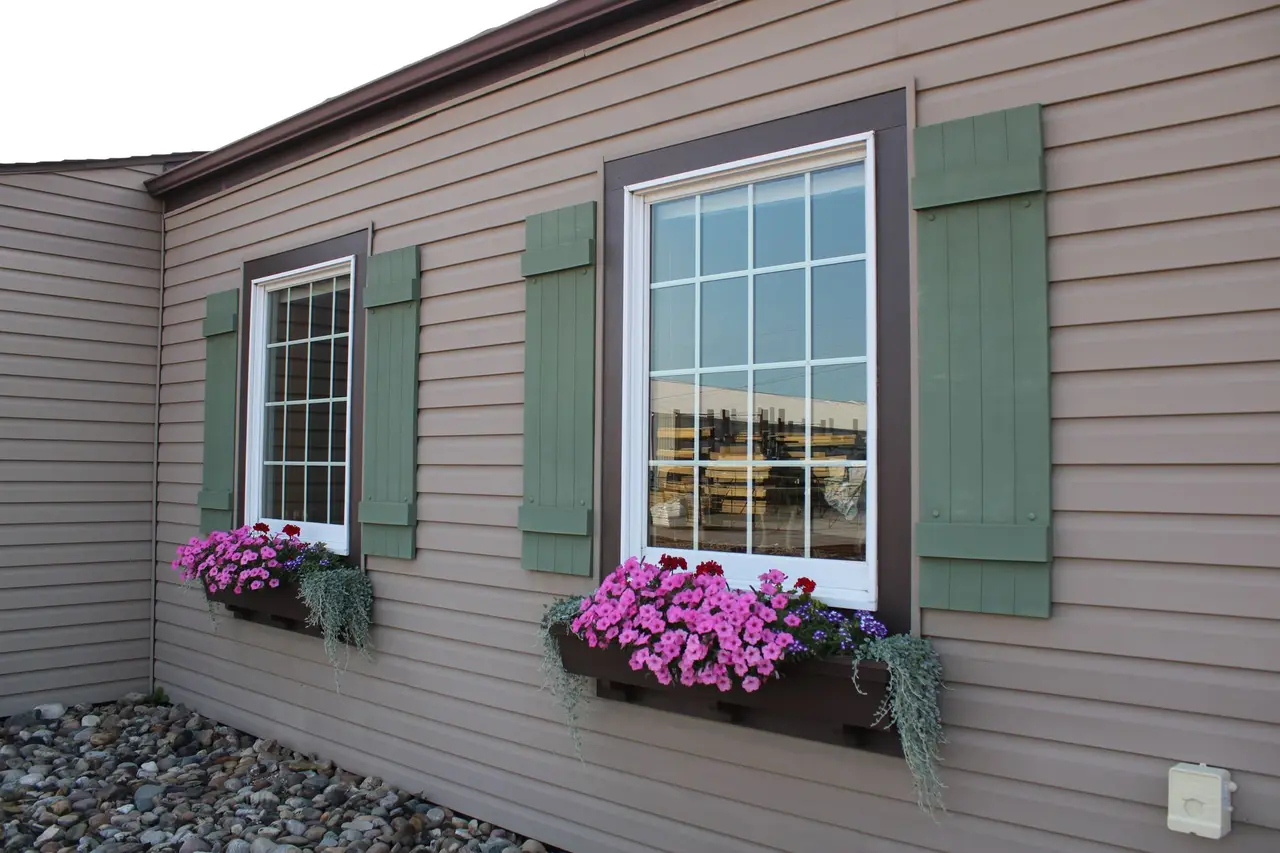
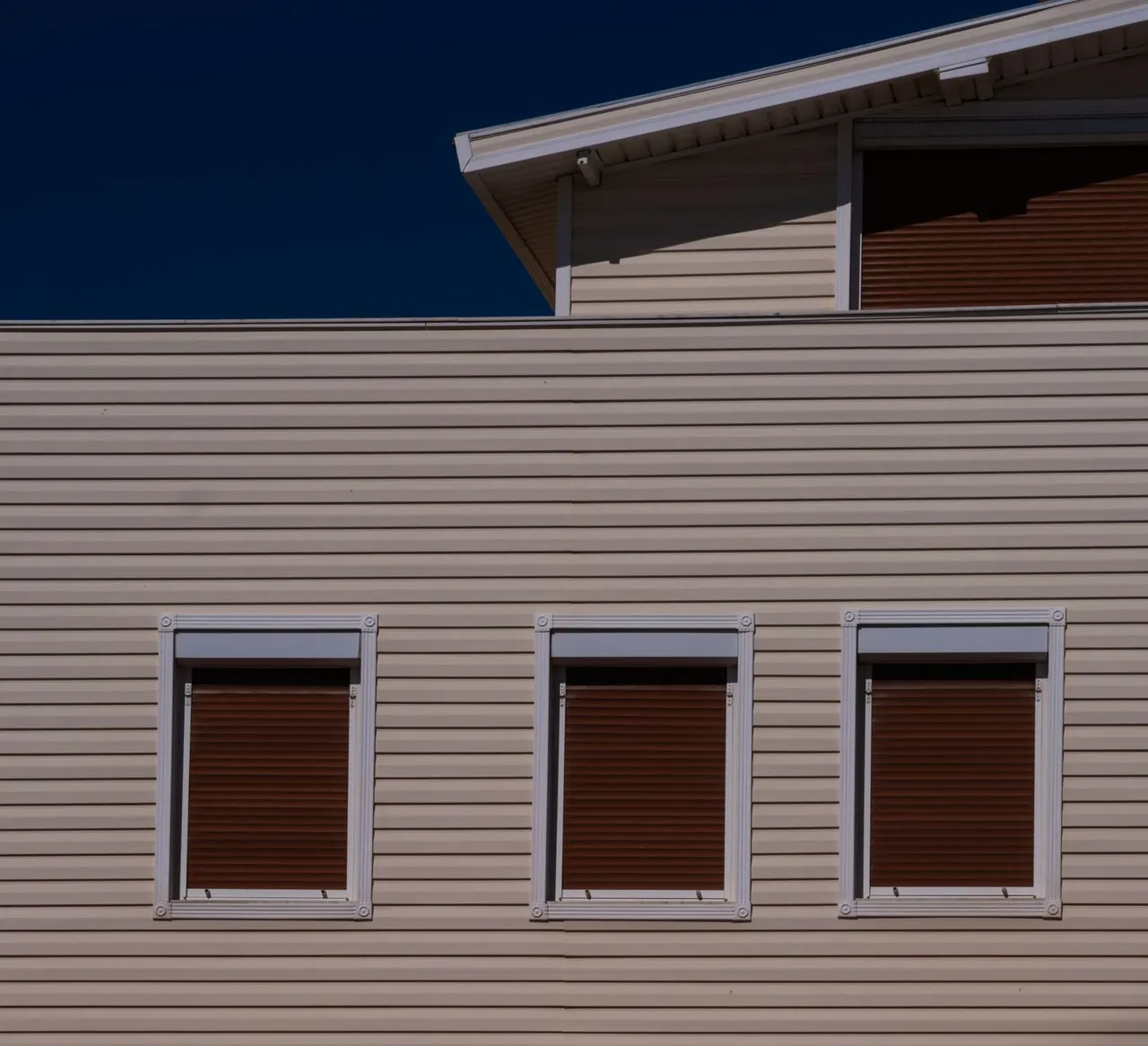
Siding Maintenance in Farmington, Connecticut helps homeowners address loose panels, failing caulk, surface buildup, and early signs of water entry before small defects spread. Farmington Siding and Windows Pro checks the siding, trim, and vulnerable transitions, then explains practical next steps for your home. If you have noticed fading, cracking, or drafts near an exterior wall, our siding upkeep Farmington service gives you a clear path to protect the building envelope.
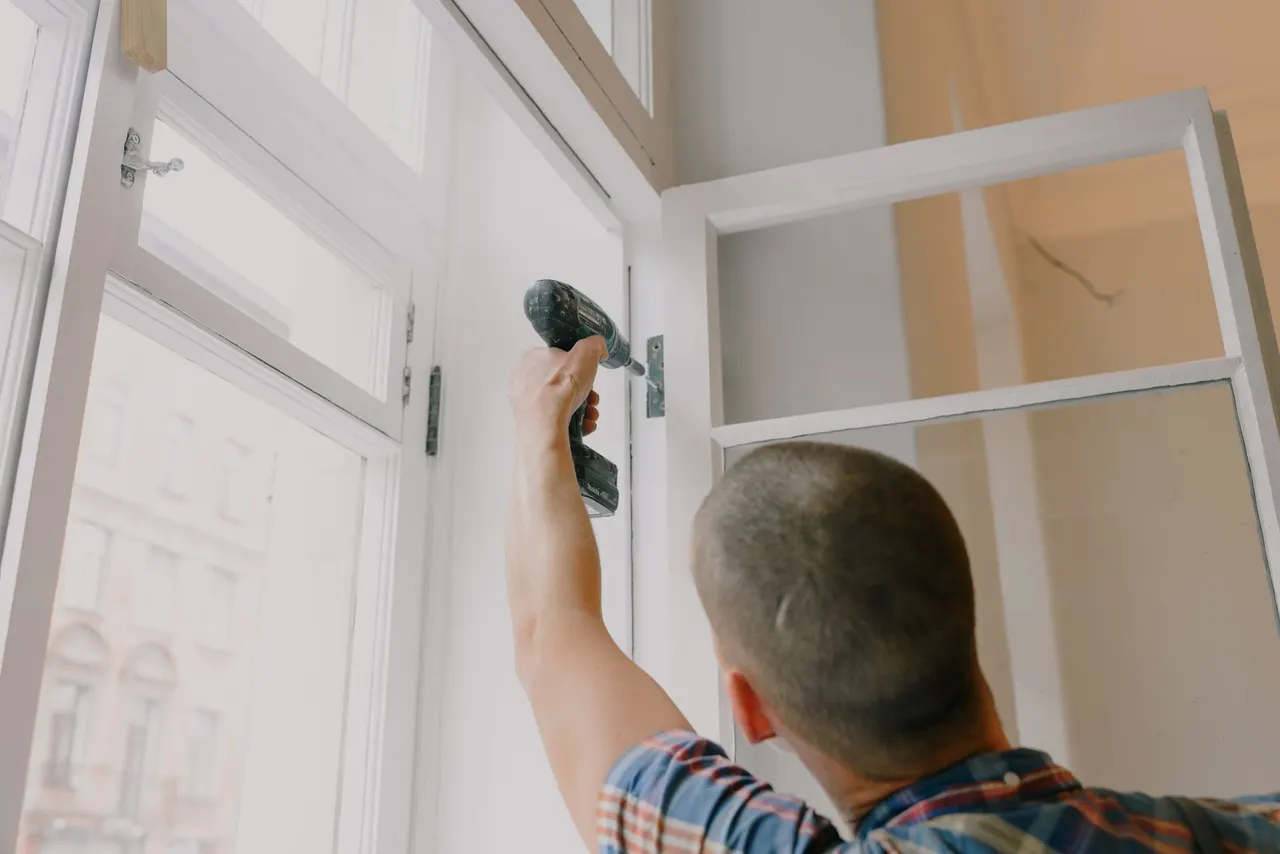
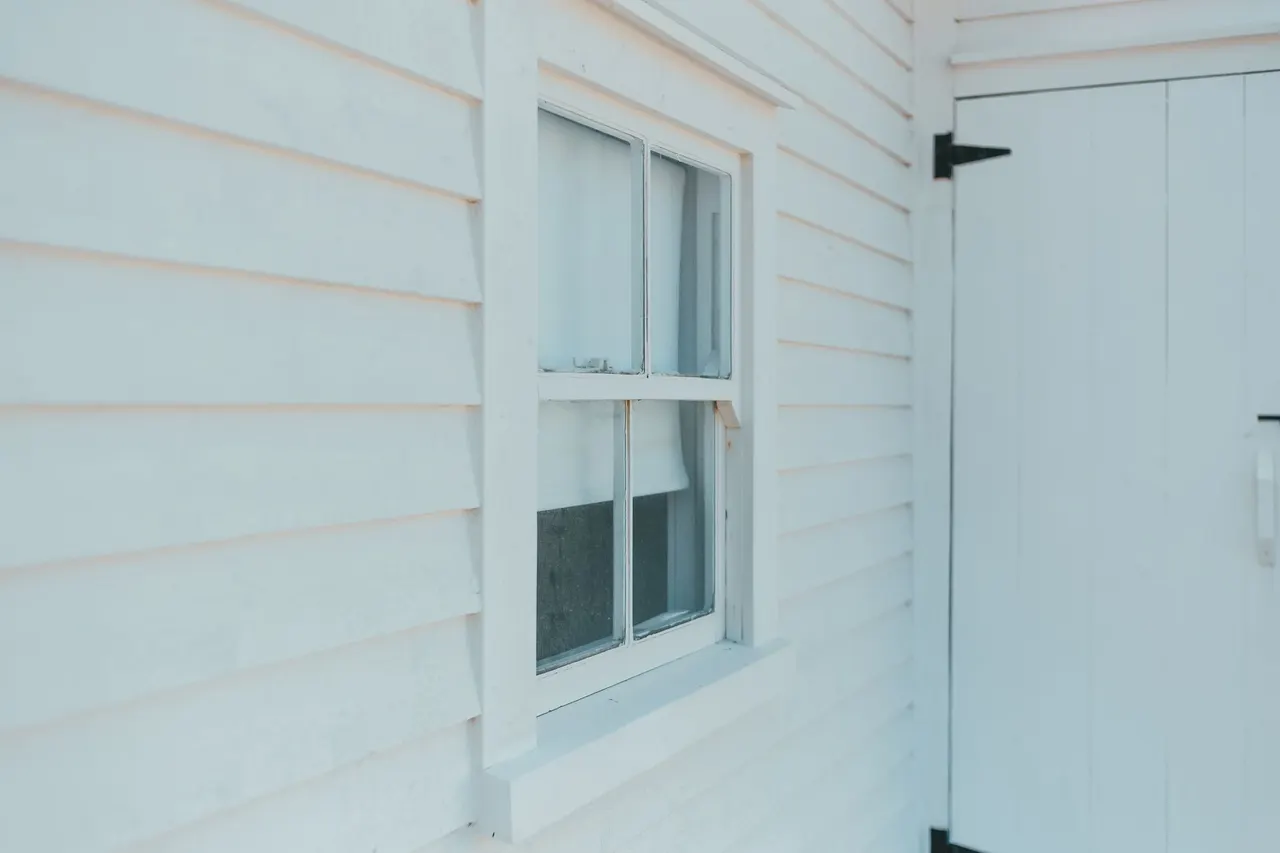
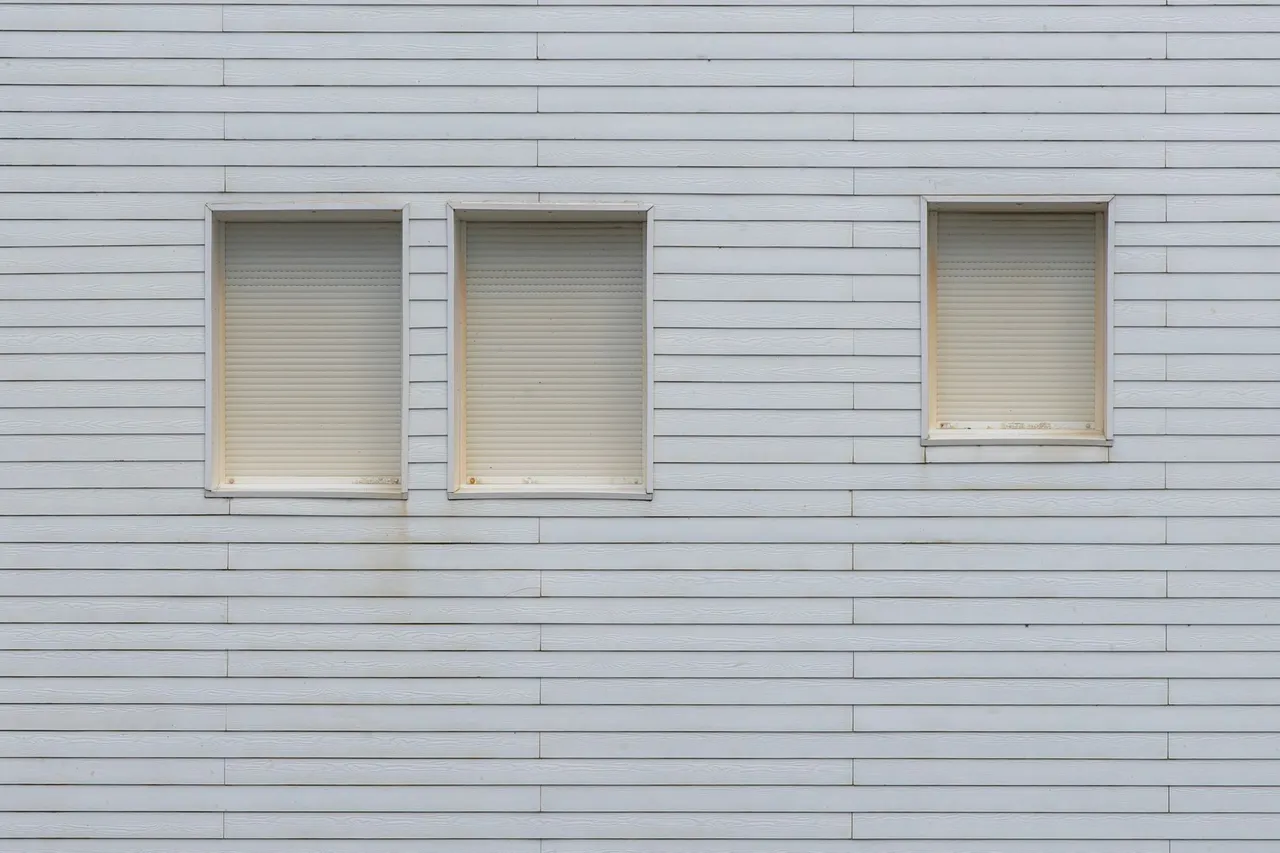
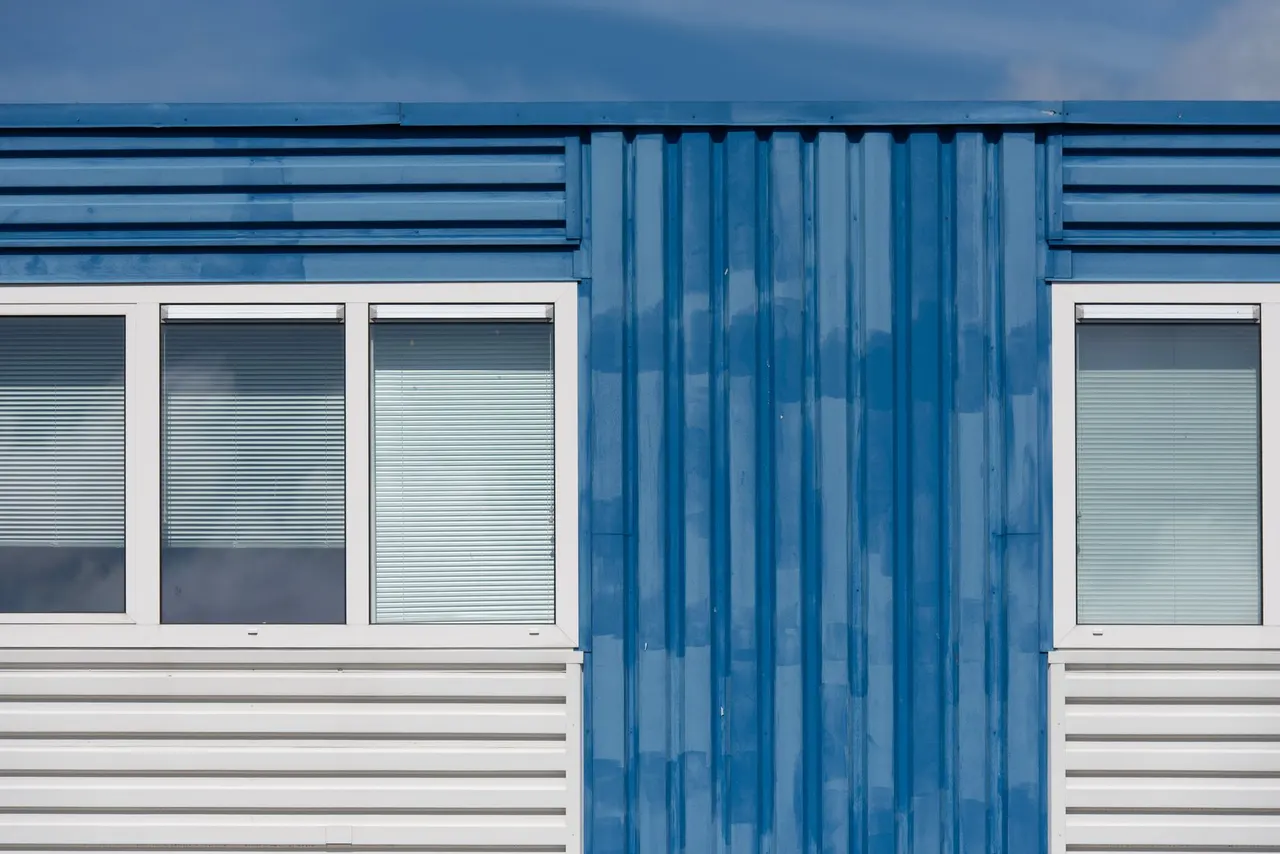
Photographs defectsShows locations during the review
Protects openingsCovers nearby windows before cleaning
Checks each elevationNotes exposure and material changes
Reviews findingsExplains priorities before handoff
What Siding Maintenance Covers
Our maintenance visit covers a visual condition check and agreed routine care for accessible siding and exterior transitions. We inspect panels, joints, caulk, trim, flashing, and soffit or fascia where accessible, then identify damage that needs repair. Limited cleaning, resealing, or adjustment depends on the material and the observed condition. Replacement siding, concealed rot, and larger reconstruction are separate work because they require different materials and labor.
Panel and Fastener Check
We look for loose, shifted, cracked, or impact-damaged panels and check visible fastening points. On vinyl siding, we note whether panels can move as designed; on other materials, we look for separation or exposed fasteners. This helps distinguish routine adjustment from a section that needs repair or replacement.
Joint and Sealant Review
We inspect caulk and joints around trim, corners, penetrations, and window frames. Failed or missing sealant can create a path for rain, but not every joint should be sealed. We identify where compatible caulk is appropriate and where flashing or a different repair is needed.
Exterior Surface Cleaning
When suitable for the material, we remove surface dirt and organic residue using a controlled method. We protect openings and avoid forcing water behind siding or into vents. Cleaning is not used to hide peeling finish, rot, or cracks that need corrective work.
Trim and Edge Inspection
We check soffit, fascia, corner boards, and lower siding edges for separation, staining, or soft spots. These areas often show water exposure first. If damage extends beneath the visible surface, we explain the repair needed instead of covering the symptom with new sealant.
Findings and Priorities
We review photographs and findings with you, identify immediate concerns, and explain items to monitor. You can see which issues are routine upkeep and which need a separate repair. This handoff gives you a practical order for addressing work and planning future exterior care.
Homes and businesses.
The approach is the same for a home and a business. What changes is the access, the schedule and who needs the paperwork.
Homes and Rentals
We inspect siding, trim, and window edges around your home, then explain visible concerns in practical terms. You can point out drafts, stains, or loose panels.
Loose panels after winter winds
Peeling paint on wood siding
Water marks near window trim
Business Properties
We review exterior surfaces and access needs with owners or property managers, noting affected elevations and visible maintenance concerns. Findings help plan the next work window.
Damaged panels near entrances
Open joints along long walls
Faded siding on exposed elevations
Siding Maintenance in Farmington, Connecticut
A plain-language look at what Siding Maintenance involves and when it is needed.
Siding Maintenance in Farmington, Connecticut is preventive exterior care that inspects, cleans, and adjusts siding components to limit weather-related deterioration. We check panel alignment, fasteners, joints, caulk, flashing, soffit, fascia, and the areas around windows and doors. Where the material permits, we remove surface dirt with a controlled cleaning method and replace failed sealant with compatible products. We also look for siding peeling and cracking, rot, and water infiltration instead of covering symptoms with paint or caulk. The result is a documented condition check and a repair plan focused on the defects actually present.
Farmington homes face freeze-thaw cycles, wind-driven rain, damp leaf buildup, and changing temperatures that stress exposed edges and seams. Older homes in the Farmington Historic District may have wood siding details that need careful cleaning, while vinyl siding can loosen or distort after impact or heat exposure. Our Farmington Connecticut siding maintenance approach checks drainage paths and window transitions as well as broad wall surfaces. For affordable Siding Maintenance in Farmington Connecticut, early attention to a small split or open joint can keep moisture from reaching sheathing and trim.
Regular inspection and material-appropriate care help identify siding defects before moisture reaches concealed wall components.
Service
Inspection and routine care for siding, joints, trim, and accessible exterior transitions.
Timing
Schedule after visible damage, seasonal weather, or when surface condition changes.
Visit
Expect a walkthrough, condition review, agreed maintenance, and a findings discussion.
What to Expect During Service
Siding Maintenance in Farmington follows a straightforward sequence: assess the exterior, identify material-specific concerns, complete agreed maintenance, and review the findings with you. Most routine visits take about two to four hours for an average, accessible home; larger or multi-story properties take longer. We keep you informed as the work moves from inspection to final checks.
Initial Walkthrough
We start with a 15- to 20-minute conversation about leaks, drafts, recent storms, prior repairs, and the areas that concern you. Then we walk the accessible perimeter and note siding type, building height, nearby landscaping, and visible trouble spots. You can point out interior stains or window drafts that may connect to an exterior opening.
Discuss concerns
Walk perimeter
Note access
Close Inspection
Our crew checks panels, trim, joints, caulk, flashing, soffit, and fascia, using a ladder or scaffolding when safe access requires it. We use a tape measure and level to assess gaps or movement, and a window pry bar only where careful access is appropriate. We photograph relevant defects and distinguish surface wear from signs that merit a repair.
Check panels
Inspect joints
Photograph findings
Plan the Work
We explain the findings in plain language and identify which maintenance tasks fit the condition of your siding. You hear what we can address during the visit, what needs a separate repair, and what materials will be used. For example, a split caulk joint may need compatible sealant, while concealed rot calls for opening and repairing the affected area.
Explain priorities
Review materials
Agree tasks
Complete Maintenance
We protect nearby surfaces, then perform the agreed work, such as limited cleaning, tightening accessible loose panels, removing failed caulk, or resealing appropriate joints. A caulking gun and utility knife support controlled sealant removal and application. Routine service often takes two to four hours, with time adjusted for access, height, and the number of defects.
Protect surfaces
Complete care
Clear debris
Review and Handoff
Before wrapping up, we revisit completed areas, check that panels sit properly, and make sure debris is removed from the work zone. We show you photographs and explain any items that need follow-up, including repair priorities and seasonal observations. You leave with a practical maintenance record rather than questions about what happened on the exterior.
Check finished areas
Review photographs
Explain next steps
Tools and Care Methods
Move across a circle, or focus it and press Enter, for an illustrative thermal view of the photograph.
Ladder and safety harness
We use appropriate access equipment to inspect elevated siding and roof-edge details. The setup is selected for the surface, height, and working conditions, with safe access prioritized over reaching from an unstable position.
Caulking gun
A caulking gun applies compatible sealant in a controlled bead at joints designed to be sealed. We remove failed material first and avoid blocking drainage or ventilation paths.
Utility knife
We use a utility knife carefully to remove deteriorated sealant and prepare a clean joint where appropriate. Controlled removal helps protect adjacent siding, trim, and window frames.
Tape measure and level
These tools help us assess panel alignment, spacing, and visible movement. Measurements support a clear explanation of the affected area and help distinguish a small adjustment from a larger alignment problem.
Power washer
When the siding surface and condition allow, we use controlled washing to remove exterior buildup. We adjust technique to limit water intrusion and keep the spray away from open joints, vents, and vulnerable window edges.
Thermal views are illustrative, generated from the photographs.
Methods
Elevation-by-elevation inspection
We inspect each accessible wall separately, noting the material, exposure, openings, and visible defects. This prevents one clean-looking elevation from masking a problem on a shaded or weather-facing side. Photos and location notes help you understand where attention is needed.
Water-path assessment
We follow visible clues from roof edges, window transitions, corners, and lower courses to identify where water may enter or collect. Staining, soft trim, open joints, and failed flashing each point to different causes. We address the likely path rather than sealing every seam indiscriminately.
Material-matched maintenance
We select cleaning, sealant, and handling methods based on siding type and condition. Vinyl, painted wood, fiber cement, and engineered wood have different surface and joint requirements. If a task risks worsening damage, we stop and explain the repair that should come first.
Condition and priority review
At the end of the visit, we show you findings in order of practical importance: active water concerns, loose or damaged components, then routine appearance items. You can ask questions while we point to each area. That review makes the next step clear without confusing maintenance with a full replacement.
When to Schedule Siding Care
Post-winter panel movement
After winter, you notice a loose panel or cracked caulk on a west-facing Farmington wall.
We inspect the affected elevation and the adjoining corners, trim, and window openings. The crew checks for movement, impact, and water marks, then completes suitable maintenance or explains a repair. A spring visit helps reveal damage after repeated freeze-thaw exposure before summer storms arrive.
Outcome: You know whether the panel or joint needs a simple adjustment, new sealant, or a more involved repair, and can address the cause before the next weather cycle.
Shaded siding buildup
A shaded side of your Farmington Woods home stays damp and has visible surface buildup.
We assess the siding material, drainage, nearby plants, and openings before cleaning. Our team uses a method appropriate to the surface and checks for peeling finish, cracks, and soft trim that buildup might conceal. We also note conditions that slow drying, such as persistent shade or splashback.
Outcome: The exterior is cleaned without treating underlying damage as dirt, and you receive clear priorities for any coating or repair work we find.
Window water marks
You see a water mark inside after heavy rain, near a window or siding corner.
We examine the exterior opening, flashing, caulk, and surrounding panels to trace visible evidence of entry. If maintenance can correct a failed joint, we explain the work; if the path points to damaged flashing or concealed rot, we identify the repair needed. We do not assume the visible interior mark tells the whole story.
Outcome: You get a focused exterior assessment and a better understanding of whether the window transition, siding, or another connection needs attention.
Pre-paint condition check
You are preparing a Farmington home for painting or listing and want the siding checked first.
We inspect the finish, joints, panels, trim, and lower edges before cosmetic work begins. Our findings separate dirt from peeling paint, cracks, and rot that require preparation or repair. We identify any maintenance that should happen before painting so new coatings are not applied over a failing surface.
Outcome: You can plan cleaning, repair, and painting in a sensible order, reducing the chance that visible defects reappear soon after the exterior work.
Farmington's cold winters, wet springs, humid periods, and autumn leaf buildup put repeated stress on siding joints and roof edges. Freeze-thaw movement can widen small cracks, while snow resting near lower courses keeps trim damp. Our siding upkeep Farmington service checks those seasonal trouble spots along with windows, flashing, and drainage.
On older homes near the Farmington Historic District, wood details and layered trim call for careful inspection; newer homes still need checks for loose panels and sealant failure. We schedule exterior work around safe access and suitable surface conditions, because cleaning or applying sealant to a wet, icy, or unsuitable surface does not produce sound results.
We also look at how downspouts, landscaping, and grade affect splashback. If you are asking about same-day siding maintenance Farmington after storm damage, call us with the affected area and what you see; urgent loose sections or active water entry need prompt assessment.
Farmington Historic District: Older trim and wood siding details benefit from close checks for peeling finish, open joints, and moisture-softened edges before cleaning or repainting.
Farmington Woods: Shaded elevations and tree cover can keep siding damp longer, so we look for buildup, slow drainage, and early surface deterioration.
Downtown Farmington: Mixed exterior materials and detailed window surrounds make it important to inspect siding transitions and sealant without blocking drainage paths.
Farmington Meadows: We check lower courses and trim for splashback, leaf residue, and gaps where seasonal moisture can collect near the foundation.
Winter freeze-thaw cycles stress exposed joints and fasteners: Water entering a small crack can freeze and expand, widening the opening or loosening nearby material. We check joints, corners, and panel movement after winter and identify repairs before repeated wetting reaches the wall assembly.
Tree shade and leaf litter slow drying on some elevations: Damp surfaces can hold organic residue and conceal failing paint or early rot. We assess drainage and surface condition before cleaning, then note areas where vegetation or debris keeps the siding wet.
We walk the exterior with you and explain the areas selected for inspection.
We protect nearby surfaces and set up access for the agreed maintenance.
We review completed work, photographs, and any follow-up priorities.
From problem to finished result.
IllustrativeThe thermal view is generated from the photograph. It is not a measurement. Drag the handle, or use the arrow keys once it is focused.
Loose Panels Secured and Aligned
Before: A homeowner in West Farmington heard rattling on the back wall whenever strong wind crossed the property. Several vinyl siding panels had shifted near a corner, and the trim joint showed a small gap. The panels remained attached, but movement was pulling at adjoining sections and raising concern about wind-driven rain.
After: We checked the affected run and nearby corner, reset the panels that could be re-engaged, and addressed the suitable trim joint. The crew verified alignment across the repaired section and documented the remaining surface condition. The work covered the identified area rather than replacing an otherwise serviceable wall.
After major wind events, look for new panel movement or fresh gaps from ground level. Keep shrubs from pressing against the siding, and call if rattling returns or a panel edge pulls free.
Window Joint Sealed After Inspection
Before: At a home in Downtown Farmington, the owner noticed a water mark below a window after heavy rain. The exterior caulk had cracked along one side, and the trim showed discoloration. It was not clear whether the opening, flashing, or nearby siding was allowing water behind the wall.
After: We inspected the frame perimeter, trim, and adjacent siding, then removed failed sealant where the joint was designed to be sealed. After applying compatible caulk, we reviewed the nearby flashing condition and showed the homeowner the repaired area. The inspection also identified a separate trim concern for follow-up.
Check window edges each spring for separated caulk and staining. Keep drainage paths open, and do not seal over a joint that is designed to drain; have the transition assessed if water marks return.
Shaded Siding Cleaned Carefully
Before: A shaded elevation in Farmington Woods had a layer of dark surface buildup, especially below the trees. The homeowner wanted it washed before repainting, but the painted wood siding also showed small areas of peeling finish. Cleaning without checking the coating could have worsened exposed edges.
After: We inspected the paint and joints first, then cleaned the suitable surface areas with a controlled method. The peeling spots were identified separately for preparation and repainting, and the homeowner could see which areas were clean and which needed coating work. The result was a clearer maintenance plan for that elevation.
Trim vegetation back from the wall and clear leaves from nearby drainage areas. Inspect painted edges annually, and arrange surface preparation when coating begins to peel rather than washing repeatedly.
Solve Common Farmington Siding Problems
Farmington weather exposes siding to repeated wetting, freezing, thawing, and seasonal debris. Small openings and damaged finishes can give water a route behind the exterior. Our inspection identifies visible causes and the next useful step, whether that is maintenance, a localized repair, or replacement of a failed section.
Loose panelsLoose siding panels rattle during Farmington's strong winter windsMovement can stress adjoining panels and expose the wall to rain or wind-driven snow. A panel that pulls free also becomes more vulnerable to impact. We inspect the loose section and nearby courses to see whether the panel is merely disengaged or whether fasteners, edges, or backing are damaged. We reset or secure appropriate panels and check the surrounding alignment. If the locking edge is broken, we explain the repair needed rather than forcing a temporary fit.
Open window jointsCracked caulk around windows lets wind-driven rain reach trimWater can stain window frames, soften wood trim, or travel behind the siding. Interior drafts or marks may appear after the exterior gap has been open for some time. We inspect the window perimeter, flashing, trim, and adjacent siding to locate the entry path. Where the joint is intended to be sealed, we remove failed caulk and apply compatible sealant with controlled tooling. If the flashing or frame is the source, we identify that repair instead of relying on caulk alone.
Surface buildupShaded walls develop faded siding and stubborn organic buildupDirt and persistent dampness can obscure cracks, peeling finish, or early rot. Aggressive washing can force water into seams and damage coatings. We first check the siding type, finish, panel condition, and nearby openings. Then we choose an appropriate cleaning method and protect vulnerable areas. We also point out any peeling, cracking, or soft material exposed by cleaning so you can plan repair or painting rather than treating appearance as the only concern.
Roof-edge damageSoffit and fascia damage appears after repeated roof-edge runoffWater reaching the roof edge can damage trim and leave gaps near the attic or wall. Continued exposure may spread staining and deterioration along connected sections. We inspect the roof edge, soffit, fascia, and adjoining siding for visible water paths, loose pieces, and damaged surfaces. Our team explains whether routine sealing is suitable or if repair and drainage correction are required. Addressing the source protects the adjoining exterior instead of repeatedly patching the same visible spot.
Practical Benefits for Your Home
Find visible siding defects early and plan practical exterior care.
Limit Moisture Entry
Open joints, damaged flashing, and failed caulk create routes for rain to reach wall components. We inspect these transitions and correct maintenance items before water has time to affect trim or sheathing. Our siding upkeep Farmington Connecticut service gives particular attention to corners, window edges, and lower courses where splashback and snow contact leave visible clues.
Catch Small Defects
A loose panel or a hairline crack is easier to address before wind pulls at adjoining sections. We check fasteners, panel movement, and impact marks across accessible elevations, then identify repairs by location. You receive clear priorities instead of a vague recommendation to replace siding that may still be serviceable.
Preserve Exterior Finish
Dirt, organic residue, and prolonged moisture can make siding look prematurely worn. We match cleaning pressure and technique to the material, taking care around seams and openings. On painted wood, we note peeling and exposed edges so you can plan surface preparation and repainting before bare areas absorb more moisture.
Plan Repairs Clearly
A maintenance visit distinguishes routine care from damage that needs a separate repair. We document affected sections, note relevant materials, and discuss the order of work, such as correcting flashing before repainting. That makes it easier to compare priorities and budget for the next season without treating every cosmetic issue as an emergency.
What a written scope covers.
What a written scope covers and what shapes it. Prices are set by the business after the first look.
The final amount depends on siding area, building height, cleaning needs, and how many joints or panels need attention. Replacing damaged boards, correcting concealed rot, or repairing flashing adds separate labor and materials. We inspect the affected areas, explain the work, and discuss upfront pricing before starting.
Farmington Siding and Windows Pro provides siding maintenance for homes across Farmington, Connecticut. We inspect siding, trim, sealant, and vulnerable window transitions, then handle appropriate cleaning and minor maintenance tasks. If you are searching for siding upkeep near me Farmington, call (860) 744-9803 and describe the material and symptoms you have noticed. We can discuss the right next step for loose panels, faded areas, or water marks.
Inspect your siding once a year and schedule cleaning or minor maintenance as conditions require. A spring check after winter helps reveal loose panels, cracked caulk, and impact damage; a fall review catches open joints before cold weather. Homes shaded by trees or exposed to frequent splashback deserve closer attention. If you see rot, active water entry, or a panel pulled away from the wall, arrange an inspection promptly rather than waiting for the annual check.
A maintenance visit includes a visual check of siding, fasteners, joints, caulk, trim, flashing, and accessible soffit and fascia. We identify loose panels, surface buildup, cracks, and signs of moisture, then complete agreed routine tasks such as limited cleaning or resealing suitable joints. Larger repairs, replacement materials, and concealed rot work are discussed separately. The visit ends with a review of completed work and practical priorities for your home.
Loose panels, open caulk, or water marks deserve a close look before the next stretch of harsh weather. Call Farmington Siding and Windows Pro at (860) 744-9803 to discuss your siding and arrange a practical inspection. Our team explains the findings and available next steps.
Call (860) 744-9803 or email [email protected] to describe the siding or window issue at your Farmington home. Our listed office hours are Monday through Friday, 8:00 a.m. to 6:00 p.m.; calls are routed to independent companies. Share the affected area, any visible damage, and whether water is entering so the conversation starts with useful details.