Window Repair in Farmington, Connecticut helps homeowners and property managers address cracked glass, failed seals, loose hardware, and frames that let in cold air or rain. Our team at Farmington Siding and Windows Pro inspects the cause, explains the repair, and restores safe operation where the existing window can be repaired. If a storm has broken a pane or a sash will not close, prompt attention protects the opening and limits further damage.
Glass and Glazing ReviewSash and Hardware RepairWeather-Seal Corrections
Written service plansClear plan before work
Careful property protectionFloors, contents and finishes protected
One point of contactOne local contact
Prepared local crewsFarmington
What Window Repair Includes
Window Repair covers diagnosis and repair of accessible glass, sash, hardware, seals, and frame-related problems when the existing unit is suitable to retain. We also inspect the immediate trim and exterior joint for signs of water entry. The repair is defined by what has failed: extensive rot, unavailable parts, or a badly distorted frame can shift the work toward replacement rather than a durable repair.
Glass and Glazing Review
We inspect cracked or loose window glass, glazing points, and visible seal condition. Where repair is appropriate, we remove damaged material safely and prepare the opening for the correct glass or glazing work. Insulated glass fogging is assessed as a sealed-unit issue, not surface condensation.
Sash and Hardware Repair
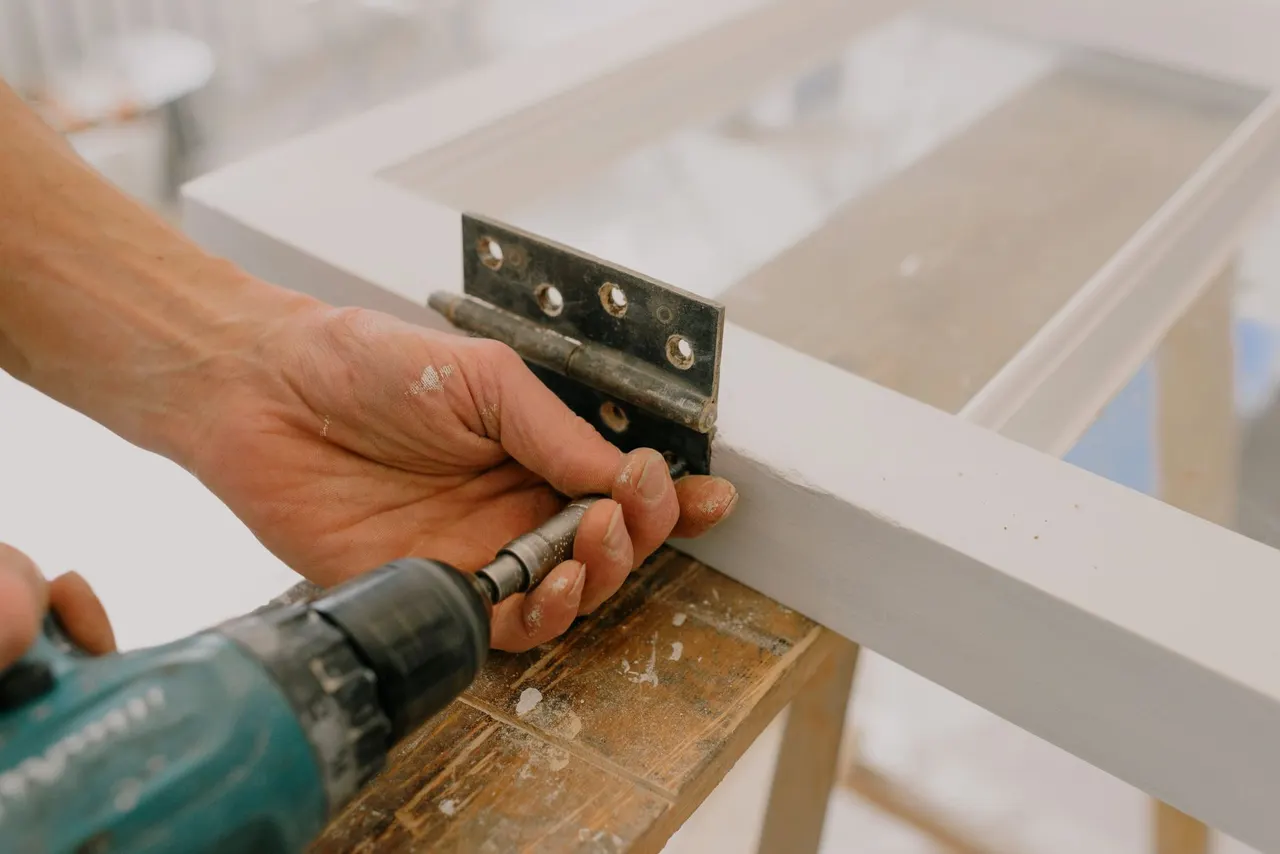
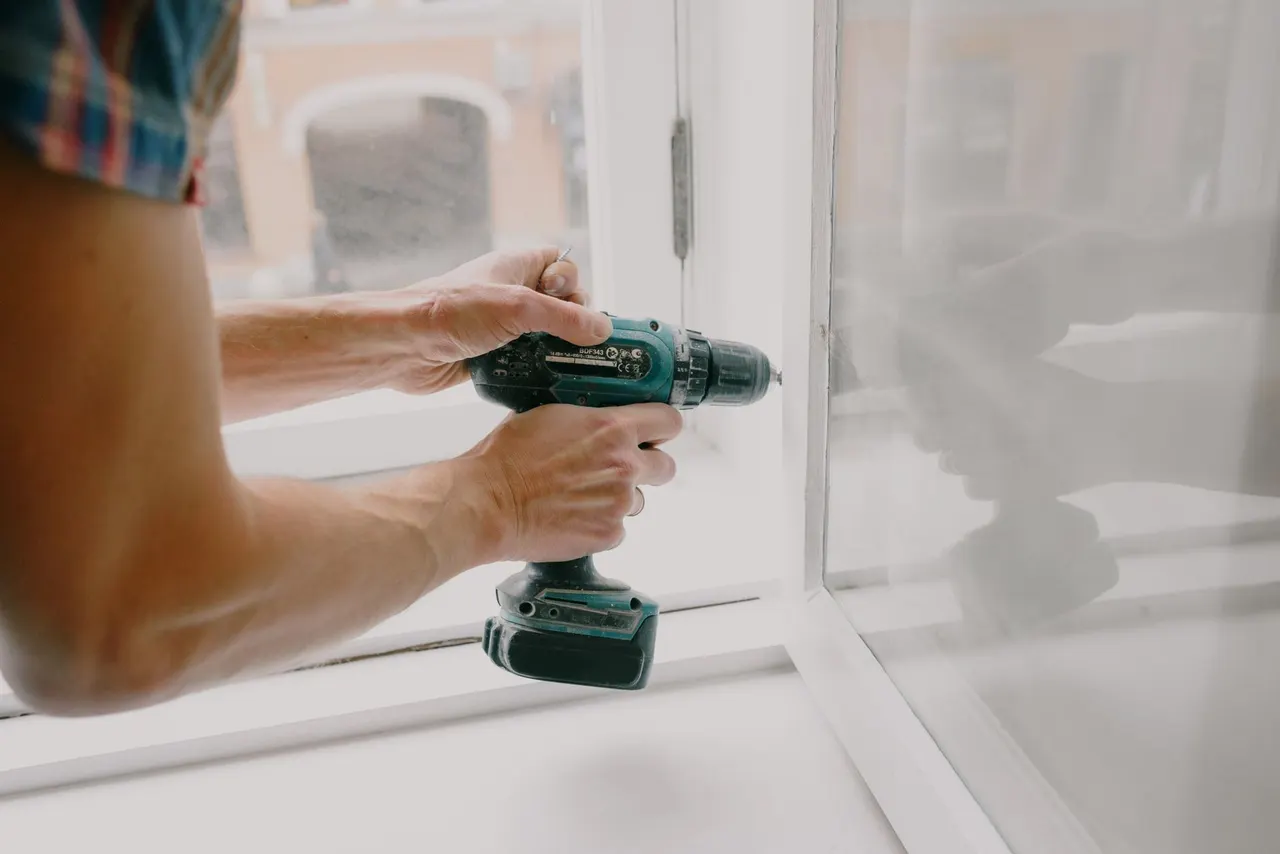
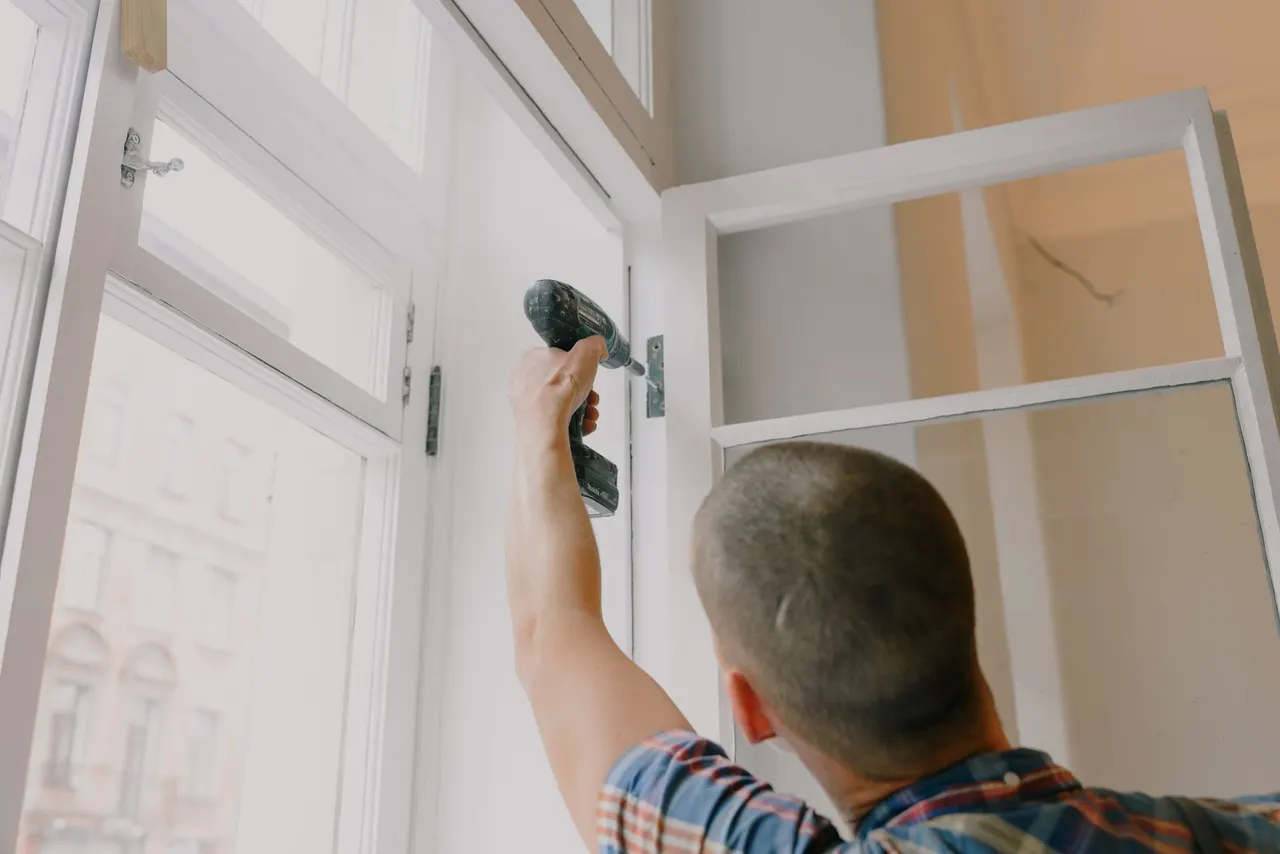
We check balances, hinges, operators, locks, and alignment when a window sticks, drops, or will not secure. The faulty component is adjusted or replaced where the unit and parts allow. We operate the sash after the work to verify movement and latching.
Weather-Seal Corrections
We trace drafts and water paths around the sash and frame, then repair the failed weatherstripping or exterior joint. Caulk is applied only where intended; we keep drainage openings clear so water can escape rather than collect in the frame.
Frame and Trim Assessment
We inspect visible wood or composite frame areas for soft spots, separation, and staining. When the issue reaches surrounding siding, flashing, or insulation, we explain the connection and identify the added work needed to address the source rather than hide it.
Window Repair in Farmington: What We Fix
A plain-language look at what Window Repair involves and when it is needed.
Window Repair in Farmington, Connecticut is a residential and commercial building service that restores damaged glass, hardware, seals, sash movement, and weather protection when a window no longer works or keeps out the elements. We check the frame, sash, glazing, locks, and surrounding trim before choosing a repair. A tape measure and level help identify fit issues; a caulking gun applies compatible caulk at appropriate joints. The aim is a sound repair, not a cosmetic patch over water infiltration or a failed window seal.
Farmington homes face freeze-thaw cycles, wind-driven rain, and seasonal temperature swings that expose weak caulk, worn balances, and window drafts. In the Farmington Historic District, original wood details also call for careful matching and measured work. Our window fixing Farmington service addresses the failure itself, whether a pane is cracked, a sash sticks, or window fogging between panes signals seal failure. For a damaged opening after a storm, same-day window repair Farmington Connecticut depends on the damage, safe access, and replacement parts.
How the Repair Works
Window Repair in Farmington follows a straightforward sequence: identify the failure, protect the room, complete the repair, and test the result. We walk you through the condition we find and keep the work area organized. A simple hardware adjustment can take under two hours; glass or frame work takes longer when parts or curing time are involved.
Inspect the Window
We start by asking what you noticed and when it began, then inspect the glass, sash, locks, frame, and exterior perimeter. We check whether the window is safe to operate and look for moisture marks or failed caulk. This first visit often takes 20 to 45 minutes for one accessible window, depending on the damage and access.
Explain the Repair
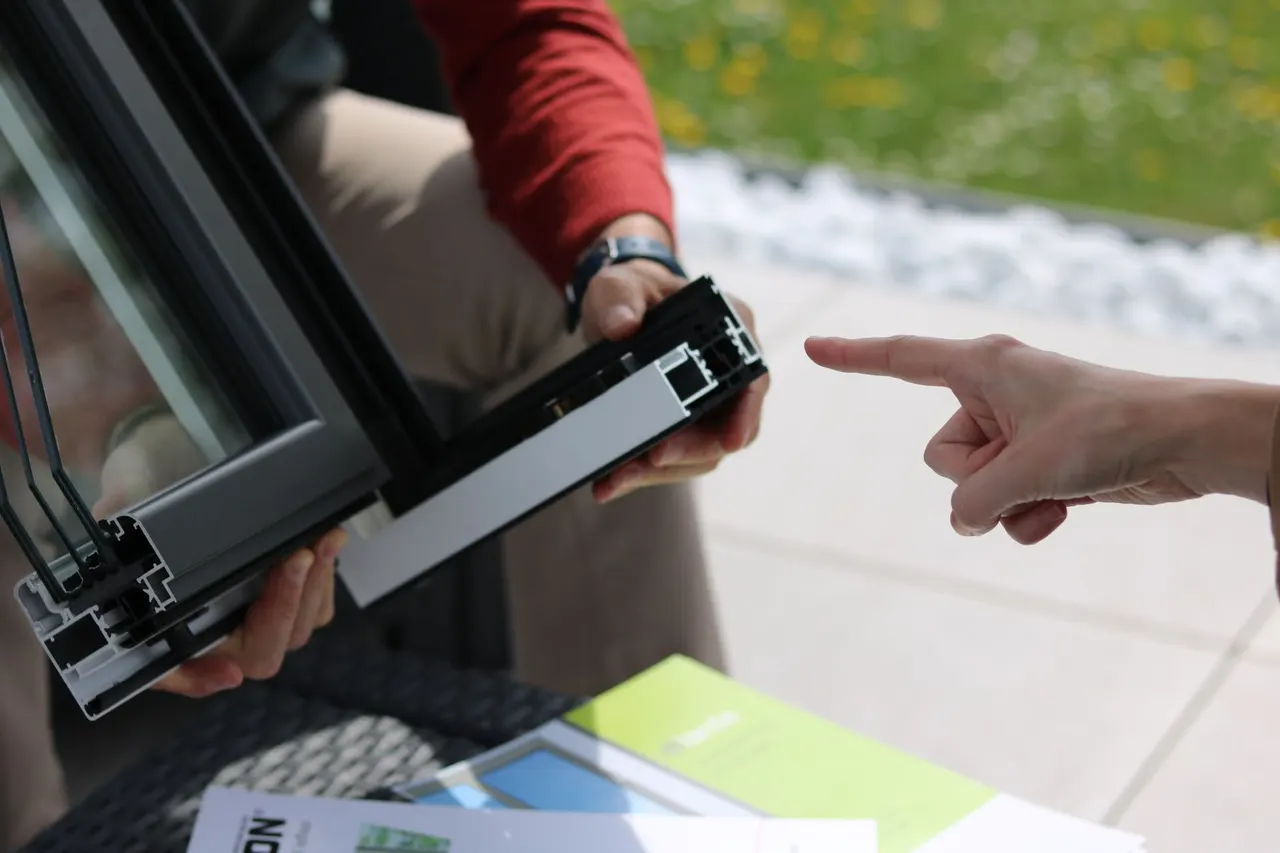
We show you the failed part and describe the repair in plain language, including whether the frame is sound enough to keep. If a pane, balance, hinge, or lock needs a specific part, we identify it before work starts. You get upfront pricing and a clear explanation of the expected work time.
Protect the Area
Before removing glass or hardware, we cover nearby flooring and furniture and keep people clear of the work zone. A utility knife removes failed caulk cleanly; a window pry bar helps release trim without forcing sound material. For upper-level exterior access, we assess ladder placement and fall protection before setup.
Complete the Repair
We replace or adjust the failed component, set glass or glazing where required, and restore the weather barrier at the affected joint. Work varies by window type: a sash balance differs from a casement hinge, and a rotten frame needs more than surface caulk. Most single-window hardware repairs take two to four hours.
Test and Clean
We operate the sash, check the latch, review the repaired perimeter, and remove debris from the room and work area. If caulk needs curing time, we explain the product instructions and when the joint can be exposed to water. You see the repair and know what to watch for during the next rain.
Tools and Repair Methods
Move across a circle, or focus it and press Enter, for an illustrative thermal view of the photograph.
Tape measure and level
We measure the opening and check sash alignment before ordering glass, adjusting hardware, or judging whether a frame has shifted.
Window pry bar
We use controlled leverage to remove trim or release a sash while preserving sound wood and limiting damage around the opening.
Caulking gun
We apply compatible caulk to the intended exterior joint after cleaning and preparing the surface, while keeping drainage paths open.
Utility knife
We cut failed caulk and glazing cleanly so replacement material bonds to a prepared edge rather than loose residue.
Ladder and safety harness
We assess safe exterior access for elevated windows and use appropriate fall protection when the site and work require it.
Thermal views are illustrative, generated from the photographs.
Methods
Water-path inspection
We begin at the visible stain or leak and inspect upward and outward, including the sill, frame corners, flashing, and nearby siding. This approach helps distinguish a failed window seal from water entering higher on the wall. We repair the point of entry rather than sealing a drainage route.
Sash operation test
We open and close the sash before and after work, checking balance, alignment, hinge action, and latch engagement. The test reveals whether the fault is hardware, frame movement, or a combination. We repeat the cycle after adjustment to confirm the window moves and secures properly.
Glass opening protection
For damaged glass, we isolate the work area, protect nearby surfaces, and remove unstable fragments with controlled handling. We measure the opening and verify the sash condition before fitting replacement glass. This method reduces risk and avoids forcing a new pane into a damaged frame.
Exterior joint preparation
We remove loose or failed sealant, clean the joint, and apply compatible caulk only at the intended seam. We maintain weep holes and other drainage openings. The result is a weather-resistant connection that still allows the window assembly to shed water as designed.
When to Call for Window Repair
A cracked pane in Farmington Village leaves a bedroom exposed to cold air and loose glass.
We first make the area safe, keeping people away from fragments and checking whether the sash or frame is damaged. We secure the opening as needed, measure the glass, and explain the fitted repair. If the damage affects the lock or frame, we include that in the repair plan.
Outcome: The opening is made safer, the correct repair is identified, and the room is protected from avoidable exposure while glass work proceeds.
A double-hung window in the Farmington Historic District sticks after a damp season and will not latch.
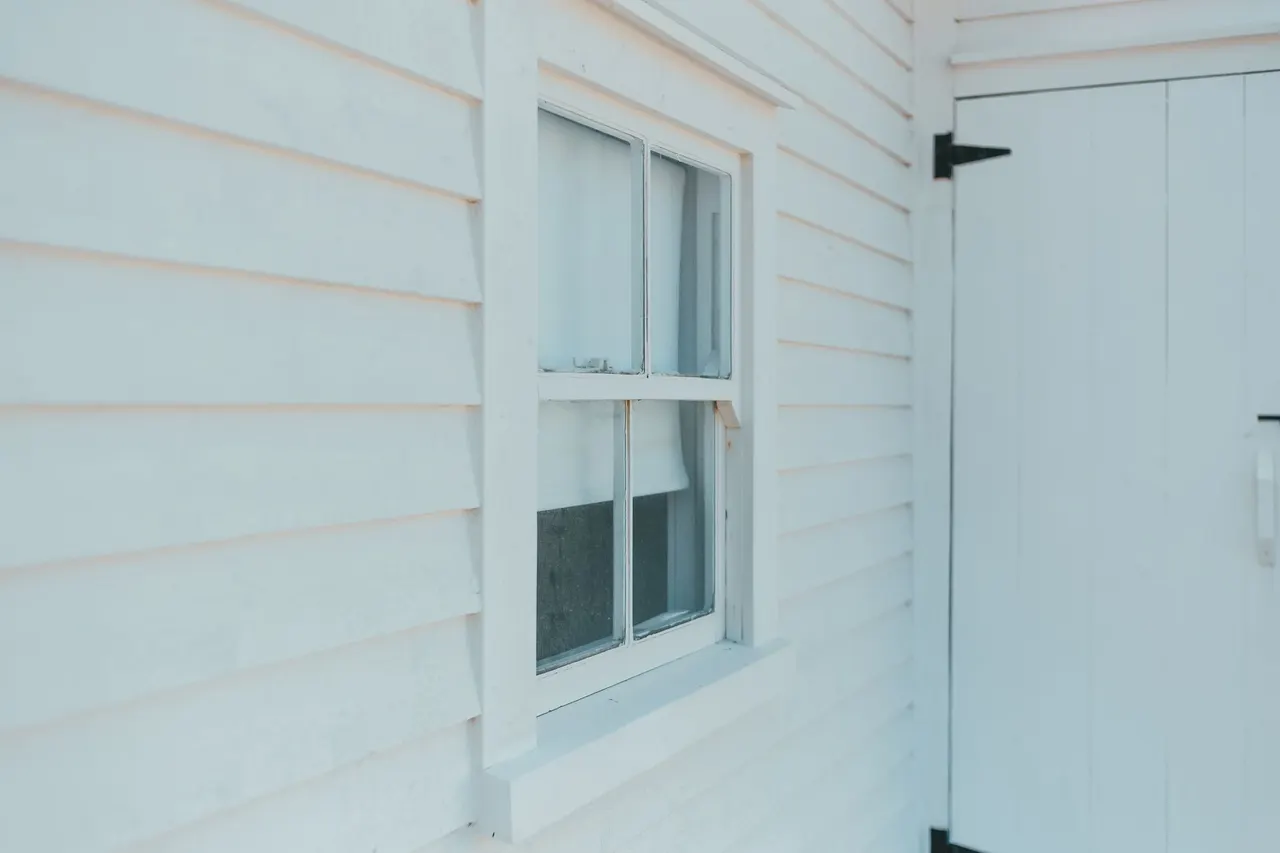
We inspect the sash for swelling, paint binding, balance failure, and frame movement. We free the operating path carefully, repair compatible hardware, and test the latch. Older wood details receive measured handling so the repair does not damage sound trim or change the window's appearance unnecessarily.
Outcome: The sash moves through its travel and closes against the frame, with any remaining wood or moisture concern clearly identified.
A homeowner in Farmington Hills notices water marks below a window after wind-driven rain.
We inspect the sill, side joints, exterior caulk, flashing, and nearby siding to trace where water enters. If the frame is sound, we correct the failed window connection; if surrounding materials are damaged, we explain how they relate to the leak before repair.
Outcome: You get a repair directed at the entry path, helping prevent another rain event from feeding the same stain.
A property manager in Downtown Farmington receives a report that an office casement will not lock.
We check the operator, hinges, alignment, and latch, then test the sash for smooth closing. We also look for frame movement or damage that could prevent a lasting adjustment. After repair, we verify the lock engages and the window sits evenly against its seal.
Outcome: The office window closes and secures correctly, and the manager receives a clear account of the component repaired.
Window Repair in Farmington, Connecticut has to account for both the age of the home and the weather at the opening. November brings colder nights, while winter freeze-thaw cycles can widen a weak joint; spring rain then tests the same sill and flashing. We check whether a draft comes from the sash, frame, or exterior connection before choosing sealant or hardware work.
Older homes near the Farmington Historic District may have wood frames and trim that need careful removal, while newer units can require model-specific balances or insulated glass. Our Farmington Connecticut window repair work also considers the siding and house wrap around the opening, because water can travel behind trim before appearing indoors.
During an inspection, we note access, glass safety, and any staining or soft material. We work across Farmington neighborhoods and explain when a repair is appropriate or when a window needs replacement.
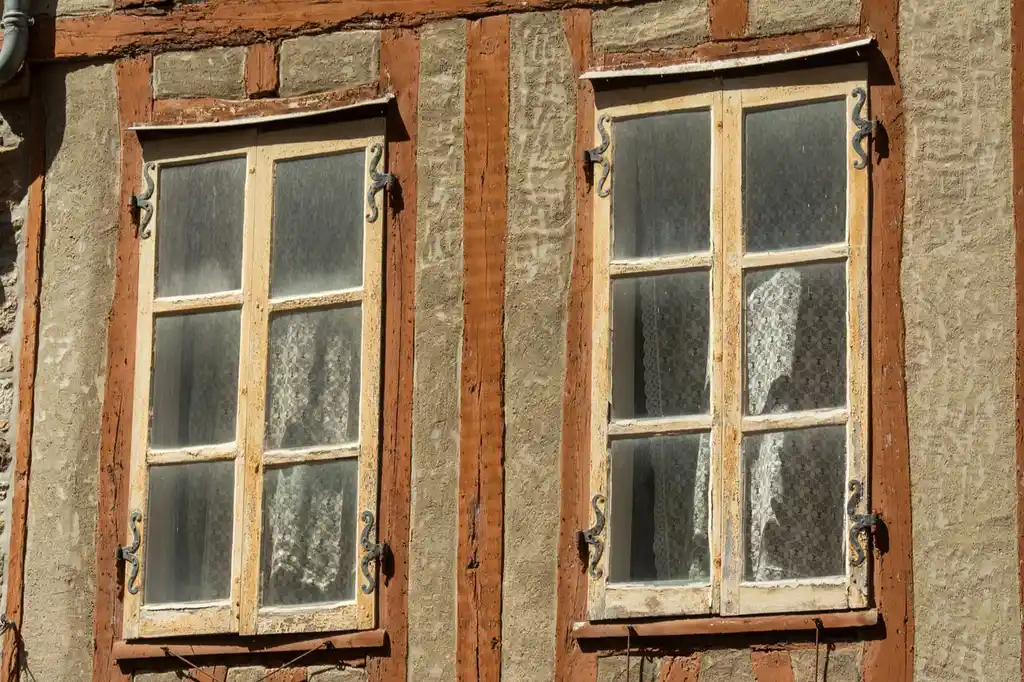
Farmington Historic District: Older wood trim and distinctive window details call for measured inspection, careful trim removal, and repair choices that preserve sound original material.
Downtown Farmington: Mixed residential and business properties can have varied window types and access needs; we check the lock, frame, and exterior joint before selecting parts.
Farmington Woods: Larger homes may have second-story or broad window assemblies, so we assess ladder placement, glass handling, and the condition of surrounding siding.
Farmington Village: Seasonal rain and aging exterior joints make sill staining worth tracing to the source rather than covering with new caulk.
Freeze-thaw cycles stress old caulk and exposed frame joints: Water in a failed seam can freeze and expand, loosening sealant or worsening a small gap. We inspect the joint and confirm material temperature limits before exterior sealing.
Wind-driven rain reaches window corners and trim transitions: Rain can enter at failed flashing or a split caulk line, then travel behind siding before staining appears indoors. We check the perimeter and nearby cladding to locate the path.
IllustrativeThe thermal view is generated from the photograph. It is not a measurement. Drag the handle, or use the arrow keys once it is focused.
Restoring a Drafty Sash
Before: A Farmington homeowner felt cold air near a closed bedroom window and noticed the sash moved unevenly. The lock barely caught, and the weatherstripping had pulled away at one corner. Previous caulk covered part of the frame but did not correct the poor sash alignment.
After: We corrected the sash alignment, replaced the failed weatherstripping, and adjusted the latch so it engaged evenly. The homeowner could open and close the window through its full travel, and the gap at the affected corner was no longer visible. We checked the frame perimeter for separate water entry.
Keep the track clear and check the latch each season. If a draft returns, note which edge feels cold and call before adding another layer of caulk.
Addressing Fogged Glass
Before: A living-room window in Farmington Village stayed cloudy even after repeated cleaning. Moisture was visible between the panes, and the lower frame had a small stain. The sash still operated, but the failed insulated-glass seal obscured the view.
After: We confirmed seal failure between the panes and checked the frame for soft spots before arranging the suitable glass repair. The frame remained usable, and the sash continued to open and lock. After the fitted unit was installed, the persistent interior haze was gone and the sill was dry.
Wipe the sill and inspect the glass after major temperature swings. Persistent fog between panes signals a sealed-unit problem; surface cleaning will not resolve it.
Securing Storm-Damaged Glass
Before: After a storm, a Farmington property had a cracked pane with loose fragments near the interior sill. The room was exposed to outside air, and the sash lock had become difficult to operate. The opening needed immediate attention before normal use could resume.
After: We isolated the area, removed unstable glass safely, and secured the opening while confirming the sash and frame were intact. The correct replacement pane was fitted, and we tested the lock and sash movement. The room was usable again after the glass work and cleanup were complete.
Check the pane and frame after severe weather, and keep people clear of cracked glass. Report loose fragments, a damaged lock, or a gap promptly.
Problems We Solve with Window Repair
Window problems often show up as a draft, a stubborn sash, or a stain that returns after rain. Affordable Window Repair in Farmington Connecticut starts with the cause, because a glass replacement will not correct failed flashing and fresh caulk will not fix a broken balance. We check the assembly and match the repair to the failure.
Cold air moves around a closed sash during Farmington winter weatherThe draft makes rooms uncomfortable and can signal worn weatherstripping, poor alignment, or a failed joint that also lets moisture reach the frame. We check sash contact, locking pressure, weatherstripping, and the frame perimeter to locate the air path. We adjust the sash or replace the failed seal where suitable, then test the closure. If the leak comes from exterior flashing or trim, we identify that path instead of applying caulk over the symptom.
Fog remains between panes after the glass surface is wipedPersistent haze between insulated panes reduces visibility and indicates the sealed glass unit has failed, not ordinary indoor condensation. We confirm the fog is between panes and inspect the surrounding frame for water damage. Where a replacement sealed unit fits the existing assembly, we explain that option; if the frame is compromised or the glass is unavailable, we discuss replacement of the window. We do not treat failed insulated glass with surface cleaning.
A sash drops, binds, or will not stay open safelyA failed balance or misaligned sash can pinch fingers, damage the frame, and prevent the window from closing securely during wind or rain. We inspect the sash track, balances, hinges, and locks, then identify the component causing the movement problem. Our team adjusts or replaces compatible hardware and checks travel through the full opening range. If the frame is distorted, we explain why hardware alone will not correct the fit.
Rain leaves fresh staining at the sill or side casingRepeated moisture can soften wood, damage paint, and reach insulation or wall framing if the entry point remains open. We follow the stain to the sill, frame corners, exterior caulk, and flashing transition. A window pry bar and careful trim removal help us inspect concealed edges when needed. We repair the failed joint or component and flag any siding or frame damage that requires broader work.
Practical Repairs, Clear Results
A sound repair helps your window open, lock, and shed water as intended. We explain what failed and what the repair changes, then test the moving parts and perimeter before wrapping up. You get a focused fix instead of replacing a complete unit when repair is appropriate.
Restore Secure Operation
A sash that will not stay open or a lock that will not engage creates daily frustration and a security concern. We inspect balances, hinges, locks, and alignment, then correct the faulty component where parts are available. After adjustment, we open and close the window several times and confirm the lock catches.
Reduce Draft Paths
Loose glazing, cracked caulk, and worn seals allow uncomfortable air movement around a window. We trace the leak path instead of sealing over drainage openings, then repair the relevant joint or component. Correctly applied caulk and a properly seated sash help reduce drafts without obstructing operation.
Limit Moisture Damage
A small opening can let rain reach the frame, trim, insulation, or nearby siding. We inspect the perimeter for staining, soft wood, and failed flashing before repairing the window connection. Finding water infiltration early can prevent a localized window issue from spreading into the wall assembly.
Repair Before Replacement
When the frame remains sound and parts are obtainable, a repair can keep a working window in service. We explain whether glass, hardware, or sash work is practical before proceeding. That distinction helps you avoid replacing a full unit for a single broken latch or worn balance.
What a written scope covers.
What a written scope covers and what shapes it. Prices are set by the business after the first look.
Our team works on window glass, frames, seals, trim, and hardware while considering the surrounding wall assembly. A repair that ignores siding, flashing, or insulation can leave the original leak path open, so we check how the window meets the exterior.
We distinguish broken glass from failed insulated-glass seals by checking the visible damage and moisture between panes.
We inspect frame corners, sill slope, and exterior caulk for water entry rather than covering symptoms.
We check sash balances, locks, and hinges to identify the component causing sticking or poor closure.
Towns we serve.
Based in Farmington and covering the places around it. Pick one for local details.
In 2026, a simple latch or balance repair is usually less than insulated-glass replacement or wood-frame restoration. We inspect the window, identify the failed part, and explain upfront pricing before work. Custom glass, multiple windows, upper-floor access, and hidden water damage can increase labor or material needs.
Farmington Siding and Windows Pro handles window fixing near me Farmington searches for homeowners and property managers in Farmington, Connecticut. Call (860) 744-9803 to describe the issue, such as cracked glass, a jammed sash, or a leaking frame. We ask about window type, damage, and safe access, then arrange an inspection to determine whether the unit can be repaired or needs replacement.
Yes, many window repairs are possible in winter when temperatures are suitable for the materials and the opening can be protected. Caulk and glazing products have application temperature limits, often listed on the product label, so we check those before exterior sealing. Broken glass can be secured promptly, while some sealant work waits for a warmer, dry window of weather. We explain the safe sequence for your specific opening.
Freeze-thaw movement, wind-driven rain, aging seals, impact, and neglected caulk are common causes of window damage in Farmington, Connecticut. Temperature swings stress joints, while water left at a sill can contribute to frame decay. Window fogging between panes points to insulated-glass seal failure; drafts can come from worn weatherstripping or sash misalignment. We inspect the symptom and surrounding trim to identify the actual source before recommending a repair.
Tell us what failed, which room the window serves, and whether the glass or frame is exposed. Our team will discuss the next practical step and explain the repair before work begins. Call (860) 744-9803 to schedule a Farmington window inspection.
Call (860) 744-9803 or email [email protected] to describe the siding or window issue at your Farmington home. Our listed office hours are Monday through Friday, 8:00 a.m. to 6:00 p.m.; calls are routed to independent companies. Share the affected area, any visible damage, and whether water is entering so the conversation starts with useful details.