Wood Window Installation in Farmington, Connecticut
Wood Window Installation in Farmington, Connecticut gives homeowners a properly measured, weather-sealed replacement that suits the house and its exterior. We install wood windows for Farmington properties with drafts, damaged frames, or outdated units, including homes where preserving traditional character matters. Our team checks the opening, explains material and operation choices, and completes wood window fitting Farmington residents can plan around.
Opening measurementsSill condition checkSash operation test
Protected flooringDrop cloths cover nearby work areas.
Measured alignmentFrame checked for level and square.
Clean removalTrim handled carefully during removal.
Final operation checkSashes and locks tested before cleanup.
What's Included in Wood Window Installation
Our installation covers measuring, removal of the existing unit, opening inspection, preparation, setting, fastening, insulation, and appropriate perimeter sealing. We also test operation and clean the immediate work area. If removal exposes concealed rot, damaged framing, or extensive trim repairs, we explain the additional work before proceeding. Custom finishes, major structural repairs, and unrelated siding replacement are separate tasks when required.
Opening Measurements
We measure the opening at multiple points and note any out-of-square conditions that affect fit. Those measurements guide product selection and installation planning, helping prevent a unit from being forced into a distorted frame.
Controlled Removal
We remove the existing sash and frame carefully, protecting nearby interior finishes and reusable trim where possible. Once the unit is out, we inspect the sill and framing for decay or moisture damage.
Frame Setting
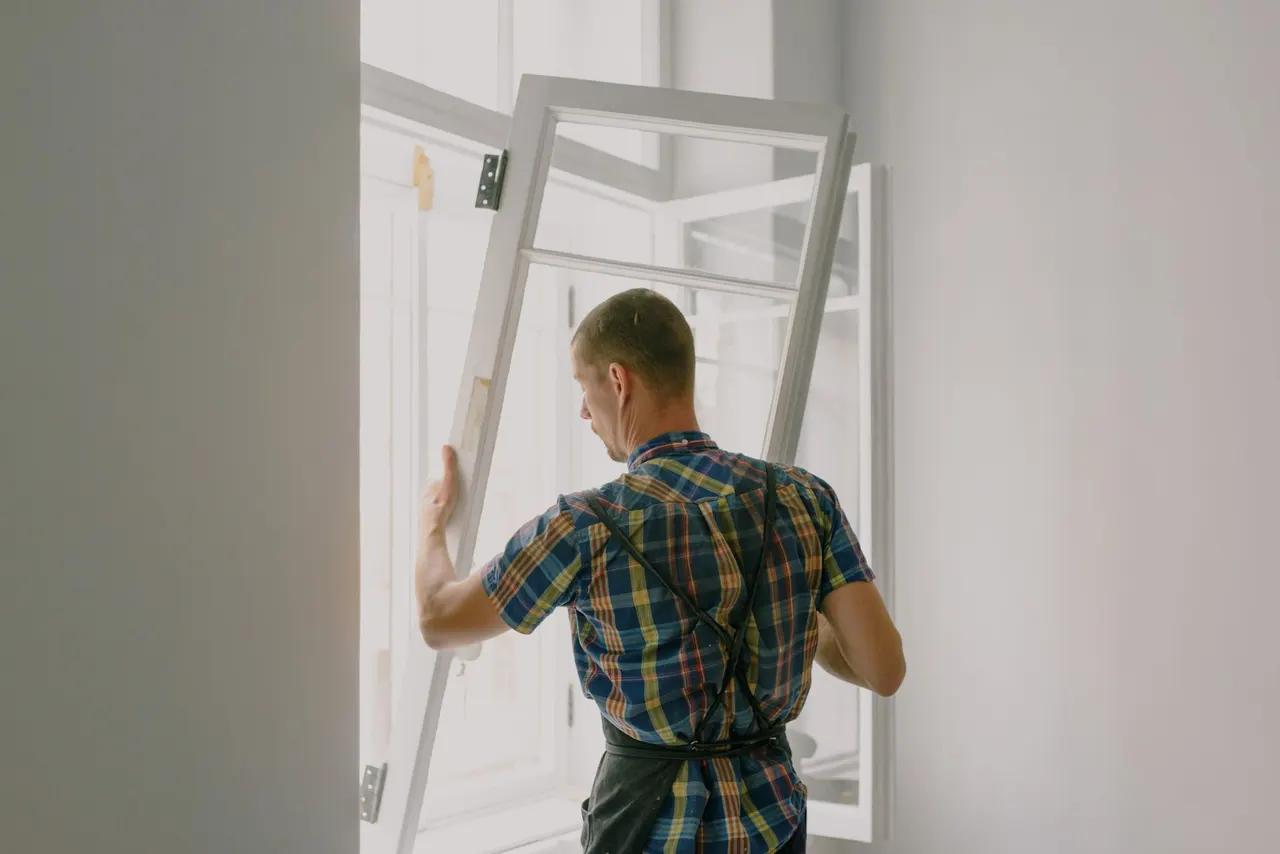
We position and shim the new window so it sits level, plumb, and square. Fasteners are installed to the product requirements, and we recheck alignment before completing the perimeter.
Insulation and Sealing
We fill the installation gap with suitable insulation and apply caulk at designated exterior joints. We preserve drainage routes so water can escape rather than becoming trapped behind the trim.
Operation and Cleanup
We test sash movement, locks, and visible seals, then remove installation debris from the work area. We review basic care points with you before wrapping up.
Homes and businesses.
The approach is the same for a home and a business. What changes is the access, the schedule and who needs the paperwork.
For Homes
We work around your household, protect nearby floors, and explain how each window will be removed and set. You can point out drafts, sticking sashes, or water marks before we begin.
Drafty bedroom window
Soft or peeling sill
Sticking double-hung sash
For Properties
We coordinate access and work areas with owners or property managers, then inspect each opening before installation. You receive a practical sequence for minimizing disruption to occupants.
Office window replacement
Rental unit maintenance
Storefront wood-frame opening
Wood Window Installation in Farmington Homes
A plain-language look at what Wood Window Installation involves and when it is needed.
Wood Window Installation in Farmington, Connecticut replaces or adds a wood-framed window by measuring the rough opening, preparing the sill and jambs, setting the unit plumb and square, and sealing the assembly against air and water. We inspect the existing frame and surrounding wall before removal, because hidden decay or failed flashing changes how the opening must be repaired. Proper shimming keeps sashes operating smoothly; compatible insulation and exterior caulk close gaps without blocking drainage. The final check covers locks, balances, sash movement, and the window glass for a clean, functional fit.
Farmington's freeze-thaw cycles, wind-driven rain, and humid summers can expose weak seals and deteriorated sills, especially on older homes in the Farmington Historic District. We look for soft wood, water staining, window drafts, and damage where trim meets siding before recommending a replacement. Farmington Connecticut wood window installation is also a practical option when a remodel calls for matching proportions or improving a room's operation. If you are comparing affordable Wood Window Installation in Farmington Connecticut, we explain which repairs are essential and which finish or hardware upgrades are optional.
A wood window performs properly when its frame is square and its opening sheds water.
What it is
Replacing or adding a wood-framed window with a fitted, insulated, and weather-sealed connection.
When you need it
When frames decay, sashes fail, drafts persist, or renovation calls for a different window.
Wood window work in Farmington starts with inspection and measuring, not with pulling out the old unit. We explain access, room protection, and the sequence for your home, then keep the opening protected while the work is underway. A single standard replacement often takes several hours; multiple or complicated openings can take longer.
Inspect and Measure
We examine the existing window, interior trim, sill, and exterior cladding, then measure the opening at several points with a tape measure. You can show us sticking sashes, fogging, or water marks while we check for soft wood and failed seals. We record the unit dimensions and discuss style, operation, finish, and any visible repair needs before ordering.
Inspect
Measure
Discuss
Protect the Work Area
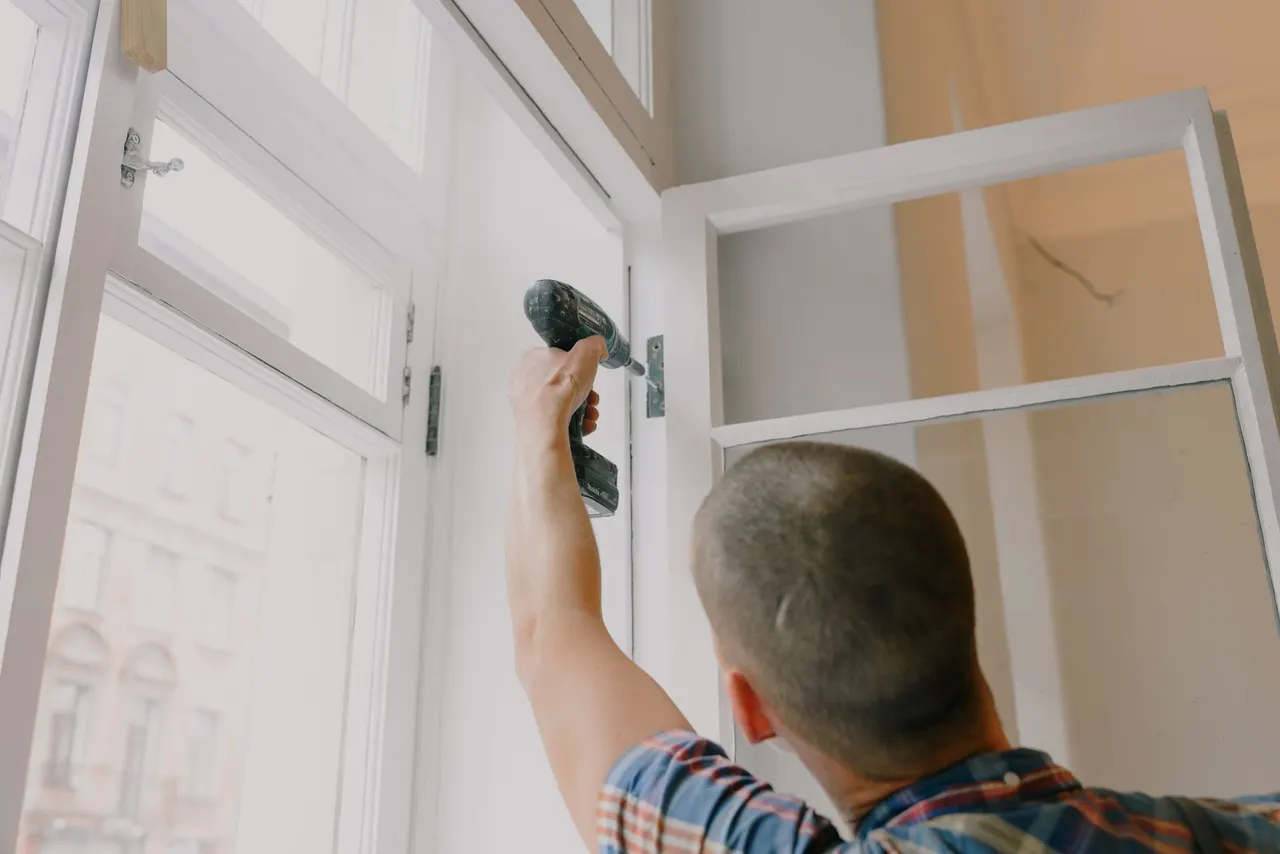
On installation day, we cover nearby floors and furnishings and prepare tools and access. We remove interior stops or trim carefully, then take out the old sash and frame in a controlled sequence. A window pry bar helps limit damage to reusable trim. If the opening reveals rot or wet insulation, we show you the condition and explain the repair needed.
Protect
Remove
Check
Prepare the Opening
We clear loose material, check the sill and framing, and correct the surface so the new unit has solid support. The opening is checked for level and square; small alignment differences are corrected with shims rather than forced against the window frame. We also inspect house wrap and flashing connections so water can drain outward.
Prepare
Align
Support
Set and Seal
We place the new wood window, fasten it according to the manufacturer's instructions, and recheck the frame before tightening the installation. Insulation fills the perimeter gap without bowing the jambs, while exterior caulk seals appropriate joints. We fit or reinstall trim and make sure siding edges and flashing remain arranged to shed water.
Set
Fasten
Seal
Test and Clean Up
We operate each sash, test locks, inspect the seal and finish, and walk through the completed opening with you. Our crew removes installation debris and explains basic care, including when to inspect paint or sealant. You can check the window yourself before we leave, and we note any follow-up items connected to the work.
Test
Review
Clean
Tools and Installation Methods
Move across a circle, or focus it and press Enter, for an illustrative thermal view of the photograph.
Tape measure
We measure the opening at several locations to account for uneven framing and confirm the ordered unit will fit without being forced.
Level
We check the sill and frame alignment during setting so the window remains level and plumb as fasteners are secured.
Window pry bar
We remove stops and old frame components carefully, reducing unnecessary damage to sound trim and adjacent interior surfaces.
Caulking gun
We apply a controlled bead of compatible caulk at designated exterior joints while leaving drainage paths open.
Circular saw
We use controlled cuts where trim or deteriorated components must be removed or fitted during opening preparation.
Thermal views are illustrative, generated from the photographs.
Methods
Ladder and scaffolding
We select access equipment suited to the opening height, providing a stable work position for exterior inspection and installation.
Plumb-and-square setting
We support and shim the window until the frame is level, plumb, and square, then secure it according to the product instructions. We recheck measurements as fasteners are installed so the jambs do not bow. This method keeps sash movement and locking points aligned.
Flashing continuity check
We inspect how the sill, jamb, head flashing, and wall covering work together to move water outward. Existing house wrap or trim conditions are reviewed during removal, and we address visible breaks before finishing. The aim is to avoid sealing water into the wall assembly.
Perimeter insulation control
We fill the space between the frame and rough opening without overpacking or bowing the jamb. An even gap supports consistent insulation and helps the unit stay aligned. We finish with appropriate sealant at intended joints, keeping drainage and operating parts clear.
Lead-safe removal practices
Where older painted surfaces are disturbed, we use lead-safe work practices to control dust and protect the occupied space. We plan removal, contain debris, and clean the immediate work area. This is especially relevant to older Farmington homes with multiple layers of painted trim.
When Wood Window Replacement Makes Sense
Historic profile
An older Farmington Historic District home needs new windows without losing its established exterior proportions.
We document the existing frame size, sash pattern, trim depth, and visible details before discussing a matching wood unit. During removal, we check for concealed rot and preserve sound trim where practical. The replacement is set square and finished to suit the surrounding facade.
Outcome: The home keeps a familiar window profile while gaining smooth sash movement, sound seals, and a properly prepared opening.
Drafty sash
A bedroom window in Farmington Woods leaks air and sticks whenever temperatures shift.
We inspect the sash, frame, weatherstripping, and sill to determine whether adjustment or replacement will solve the problem. If we install a new unit, we insulate the frame gap, seal the correct joints, and test operation before cleanup.
Outcome: You get a window that opens without binding and a better-sealed room, with the source of the draft addressed at the opening.
Siding coordination
A renovation in West Farmington combines new exterior siding with replacement wood windows.
We coordinate the window dimensions and installation sequence with the siding work. Our crew checks house wrap and flashing, then details the transition between the frame, trim, and cladding so the exterior sheds water. We discuss finish choices before the materials meet.
Outcome: The window and siding finish align cleanly, and the wall assembly keeps a clear drainage path around the opening.
Rain staining
A property owner sees water staining below a window after wind-driven rain.
We trace visible signs around the sill, frame, trim, and nearby siding rather than assuming the glass is the source. Once we identify the failed connection, we repair the opening and install a replacement if the frame is beyond serviceable condition.
Outcome: The water entry point is corrected, and the new installation is checked at the perimeter to reduce repeat staining and concealed decay.
Wood Window Installation in Farmington, Connecticut has to account for seasonal rain, winter freezing, and repeated thawing that can open weak joints around a sill. We check the opening and surrounding wall before settling on an insert or full-frame approach. In older homes near the Farmington Historic District, original trim dimensions and painted surfaces may call for careful removal and lead-safe work practices.
In neighborhoods with newer cladding, we focus on tying the frame into flashing and siding without blocking drainage. Our wood window installation contractor Farmington service includes practical checks for soft sill wood, failed caulk, loose trim, and window drafts.
If a project involves exterior wood window installation Farmington, we also consider ladder or scaffolding access and how the exterior finish meets the new frame. Typical replacement work takes several hours per opening; concealed rot, custom sizing, or multiple units extends the schedule. We explain findings, protect the interior, and test operation and locks before cleanup.
Farmington Historic District: Older trim profiles and painted wood surfaces deserve careful measurement and controlled removal. We inspect the sill and adjacent framing before selecting the replacement method.
Downtown Farmington: Compact access and close-set exterior details can affect ladder placement and trim work. We plan protection around walkways while keeping the opening weather-managed during installation.
Farmington Woods: Homes with modern siding still need sound flashing at the window perimeter. We check the cladding termination and drainage path before sealing the new frame.
West Farmington: Exposure to wind-driven rain makes the head, jamb, and sill connections important. We inspect visible water marks and verify the exterior joints during the job.
Freeze-thaw cycles stress caulk and exposed wood joints: Repeated temperature swings can widen small gaps or lift failing paint around the sill. We check exposed wood, sealant, and flashing connections, then correct the opening details before the new frame is finished.
Wind-driven rain tests trim and flashing connections: Rain can travel behind loose trim even when the glass appears intact. We inspect the frame-to-siding junction and make sure the installation preserves a route for water to drain outward.
We walk through the affected windows and explain visible conditions.
We protect nearby floors and prepare access before removing a unit.
We test operation, review the finish, and explain care points.
From problem to finished result.
IllustrativeThe thermal view is generated from the photograph. It is not a measurement. Drag the handle, or use the arrow keys once it is focused.
Drafty Double-Hung Replacement
Before: A two-story Farmington home had a double-hung window that rattled in wind and admitted cold air around the lower sash. The sill paint had begun to peel, and the homeowner had added temporary weatherstripping twice. A closer inspection found a worn frame and a deteriorated exterior seal, so patching the sash alone would not address the opening.
After: We removed the unit, repaired the compromised sill area, and installed a new wood double-hung window sized to the opening. The crew checked alignment with a level, insulated the frame gap, and renewed the exterior seal. The sash moved smoothly through repeated tests, and the lock engaged without pressure at the corners.
Inspect the lower sash, paint, and sill each spring and fall. Keep the exterior seal intact, repaint exposed wood promptly, and avoid covering drainage openings with caulk or paint.
Historic Trim Retained
Before: A Farmington Historic District homeowner wanted to replace a fogged, difficult-to-open window but preserve the traditional trim around it. The existing unit had uneven reveals and a soft section near one corner. Removing it without checking the trim and wall connection risked damaging sound original material.
After: We measured the opening and trim before removal, then kept reusable casing in place where its condition allowed. After repairing the soft area, we set the replacement wood unit square and checked the sash and lock. The finished window followed the existing proportions, with the exterior joint sealed and trim returned cleanly.
Check paint and exposed joints twice a year, especially after winter. Use a soft cloth for routine cleaning and arrange repairs if paint lifts or wood feels soft.
Rain-Stained Bedroom Opening
Before: After several storms, a bedroom wall below a Farmington Woods window showed a faint brown stain. The homeowner suspected the glass, but inspection found a failed exterior connection near the frame and deteriorated caulk. Continued water entry could have damaged the sill and interior finish further.
After: We removed the old frame, checked the sill and nearby framing, and corrected the visible flashing connection before installing the replacement. The new wood unit was fastened and sealed at the appropriate joints, then tested for operation. The interior stain source was addressed at the opening rather than covered with fresh paint alone.
After heavy rain, look for new marks below the sill and check exterior trim for open joints. Keep nearby drainage routes clear and report recurring moisture before it reaches interior finishes.
Fix Window Problems Before They Spread
Window trouble often shows first as a draft, a sticking sash, bubbling paint, or a dark mark beneath the sill. Those signs can point to a worn unit or a water path around the opening. We identify the cause before installing a replacement, so the repair addresses the frame and its connection to the wall rather than covering the symptom.
Air gapsCold air slips through gaps around aging wood framesDrafts make rooms uncomfortable and can signal failed weatherstripping, a loose frame, or a gap between the unit and rough opening. Ignoring the source leaves the wall vulnerable to moisture. We check the sash, stops, frame, and perimeter to find where air enters. If replacement is the right fix, we prepare the opening, set the new unit square, insulate the gap, and seal the appropriate exterior joints. We also identify whether trim or siding is contributing to the leak.
Sill decaySoft sill wood and peeling paint appear beneath the windowMoisture-damaged wood loses strength, and paint failure exposes more surface to rain. Continued deterioration can reach framing or interior finishes and make a simple window swap more involved. We inspect the sill and adjacent framing after removing the old unit. Damaged material is addressed before the replacement is set, and we check flashing and exterior trim for the source of water. You receive a clear explanation of the repair needed to support the new window.
Sticking sashSashes stick, rattle, or refuse to lock securelyA distorted frame or worn hardware can leave the window difficult to operate and less secure. Forcing the sash can damage balances, locks, or painted surfaces. We inspect the frame condition, sash travel, and hardware to determine whether repair is practical. When replacement is needed, we set and shim the new unit carefully, then test the locks and movement through several cycles so you can operate it normally.
Glass foggingFogging appears between panes of an older windowMoisture between panes points to a failed glazing seal, which can reduce clarity and indicate the insulating glass unit is no longer sealed. Surface condensation alone has a different cause. We distinguish interior surface condensation from window fogging between panes by examining where moisture forms. We then explain whether the glass unit or full frame needs replacement. If a new wood window is selected, we verify dimensions and seal the opening using appropriate flashing and insulation.
Comfort, Fit, and Character
A square, sealed window helps control drafts and directs water away from the opening.
Fewer Draft Paths
We check the jambs, sill, and perimeter for gaps that let cold air move into a room. A tight installation uses measured shims and carefully applied insulation, followed by a continuous exterior seal. That work addresses common window drafts without relying on caulk to compensate for a crooked or poorly supported frame.
Smooth Sash Operation
A window that sticks or will not stay open often has a worn unit, distorted frame, or incorrect fit. We set the replacement level and square, then test each sash and lock several times. Your new unit should open and close with normal hand pressure rather than scraping against the frame.
A Natural Exterior Match
Wood frames work well with clapboards, cedar siding, and traditional trim profiles common in Farmington homes. We review visible proportions and finish choices before installation so the new opening does not look oversized or out of place. The result respects the facade while giving you modern operating hardware and glazing options.
Better Water Control
Water entering around a window can stain interior finishes and rot the sill or adjacent framing. We inspect the connection between the window, flashing, and siding, then correct the opening details during installation. A properly directed drainage path helps protect the wall assembly through repeated rain and seasonal temperature changes.
What a written scope covers.
What a written scope covers and what shapes it. Prices are set by the business after the first look.
Full-frame replacement, custom sizing, extensive rot repair, or difficult upper-story access can increase the total. We inspect the opening and explain labor, materials, and any repair work before starting. The final figure also depends on whether interior trim, exterior cladding, or painting needs attention.
Farmington Siding and Windows Pro provides wood window fitting for homes across Farmington, Connecticut. We assess the existing unit, measure the opening, and check nearby trim and siding before recommending a replacement approach. When you call (860) 744-9803, tell us the neighborhood, window type, and symptoms such as drafts, sticking, or water staining. That helps us understand the job and arrange the right visit.
A straightforward replacement usually takes 3-6 hours per opening, while a full-frame job with rot repair can take a full day or longer. The time depends on access, trim removal, opening condition, and whether several windows are being installed together. We protect the room, keep the opening covered during removal, and test sash movement and locks before cleanup. Multiple windows may be scheduled in a sequence to limit disruption.
Inspect painted wood, sealant, and drainage paths at least twice a year, ideally in spring and fall. Keep weep openings clear, touch up exposed paint before bare wood absorbs moisture, and address cracked caulk where the installation detail calls for a seal. Avoid sealing over drainage routes. If you notice soft sills, recurring condensation, or window fogging between panes, contact us to identify whether the issue is the frame, glazing, or seal.
We will inspect the opening, discuss the window and finish options, and explain the work before the job begins. Farmington Siding and Windows Pro follows lead-safe practices where applicable. Call (860) 744-9803 to arrange a visit for your Farmington home.
Call (860) 744-9803 or email [email protected] to describe the siding or window issue at your Farmington home. Our listed office hours are Monday through Friday, 8:00 a.m. to 6:00 p.m.; calls are routed to independent companies. Share the affected area, any visible damage, and whether water is entering so the conversation starts with useful details.