Casement Window Installation in Farmington, Connecticut
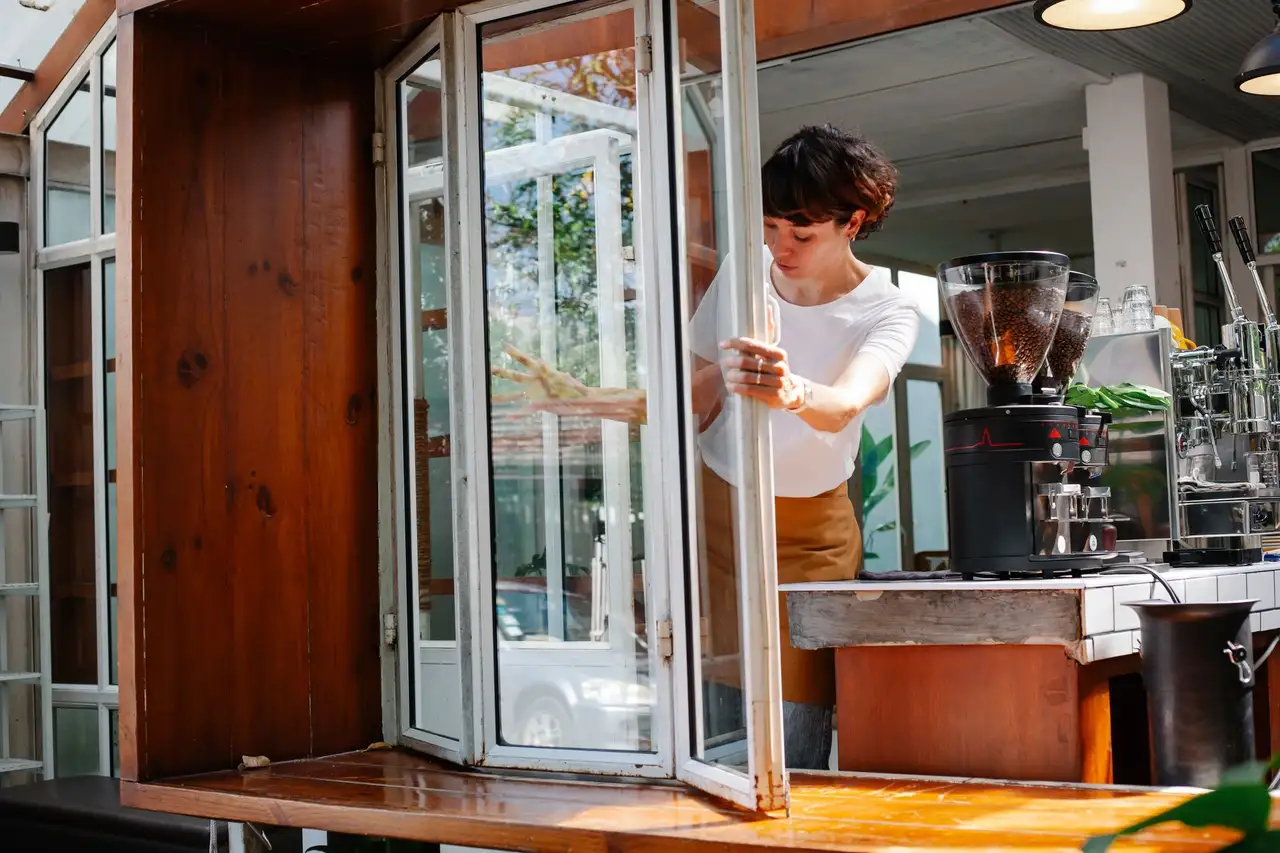
Casement Window Installation in Farmington, Connecticut gives homeowners a practical way to replace drafty, hard-to-operate windows with units that open outward for controlled ventilation. Our team at Farmington Siding and Windows Pro measures each opening, checks the surrounding frame, and installs the window for a square fit and dependable operation. If you are comparing casement window fitting Farmington options, we explain the work and help you choose a configuration suited to your room and exterior.
Protected workspaceFloor and nearby surfaces covered
Measured openingDimensions checked before fitting
Tested hardwareCrank and lock cycled
Clean finishWork area cleared after installation
What Casement Window Installation Includes
A standard installation covers measuring and preparing the opening, removing the existing unit when applicable, setting and fastening the new frame, insulating the perimeter, and sealing the exterior joint. We test the sash, crank, and lock before cleanup. Custom structural repairs, extensive rot replacement, or broader siding reconstruction are additional work; we explain any issue we find and how it affects the opening before proceeding.
Opening Measurement
We record the opening dimensions and check for square, level, and sound contact points. Those measurements guide product sizing and help us identify conditions that could affect the fit before installation day.
Old Unit Removal
Where replacement is needed, we remove the sash and frame carefully, protecting nearby floors and surfaces. Once exposed, we inspect the sill and surrounding framing for moisture damage or loose material.
Frame Setting
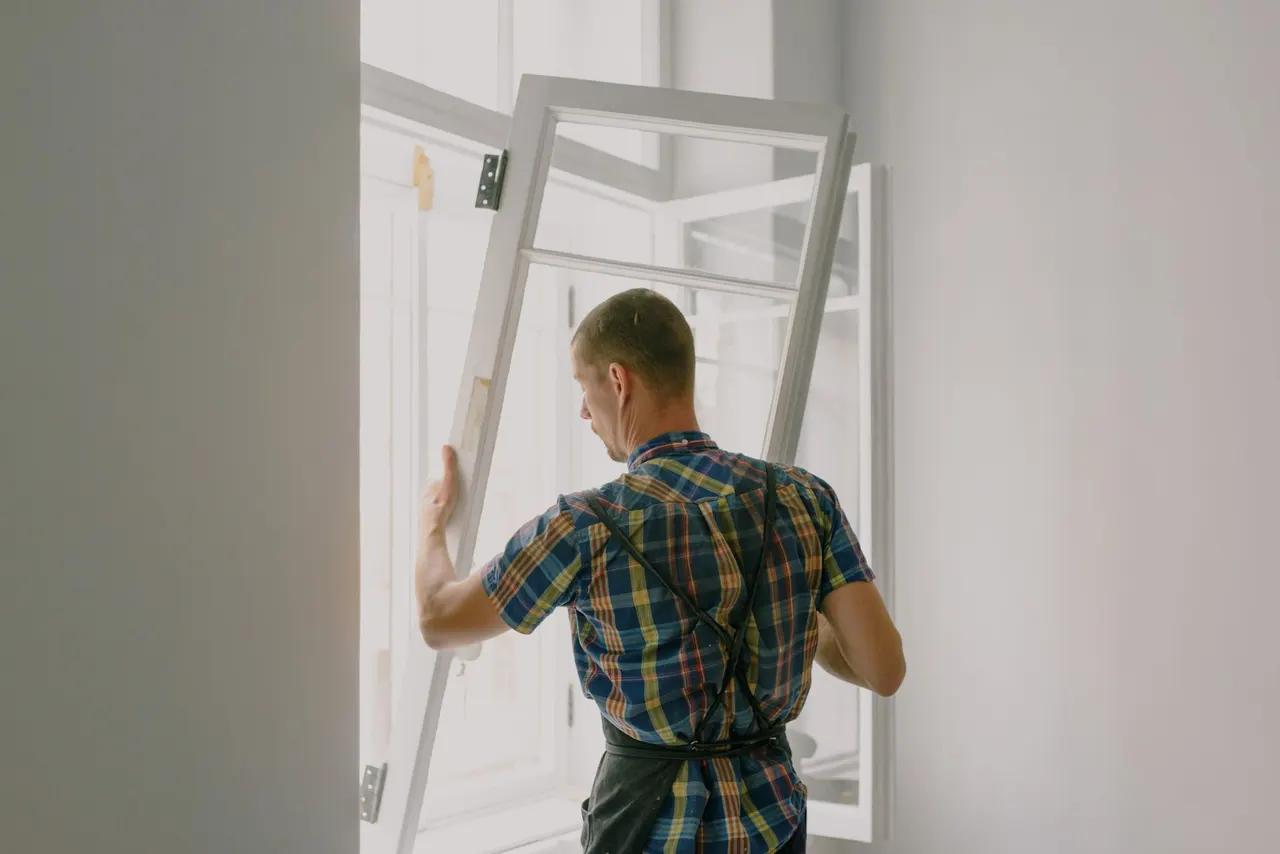
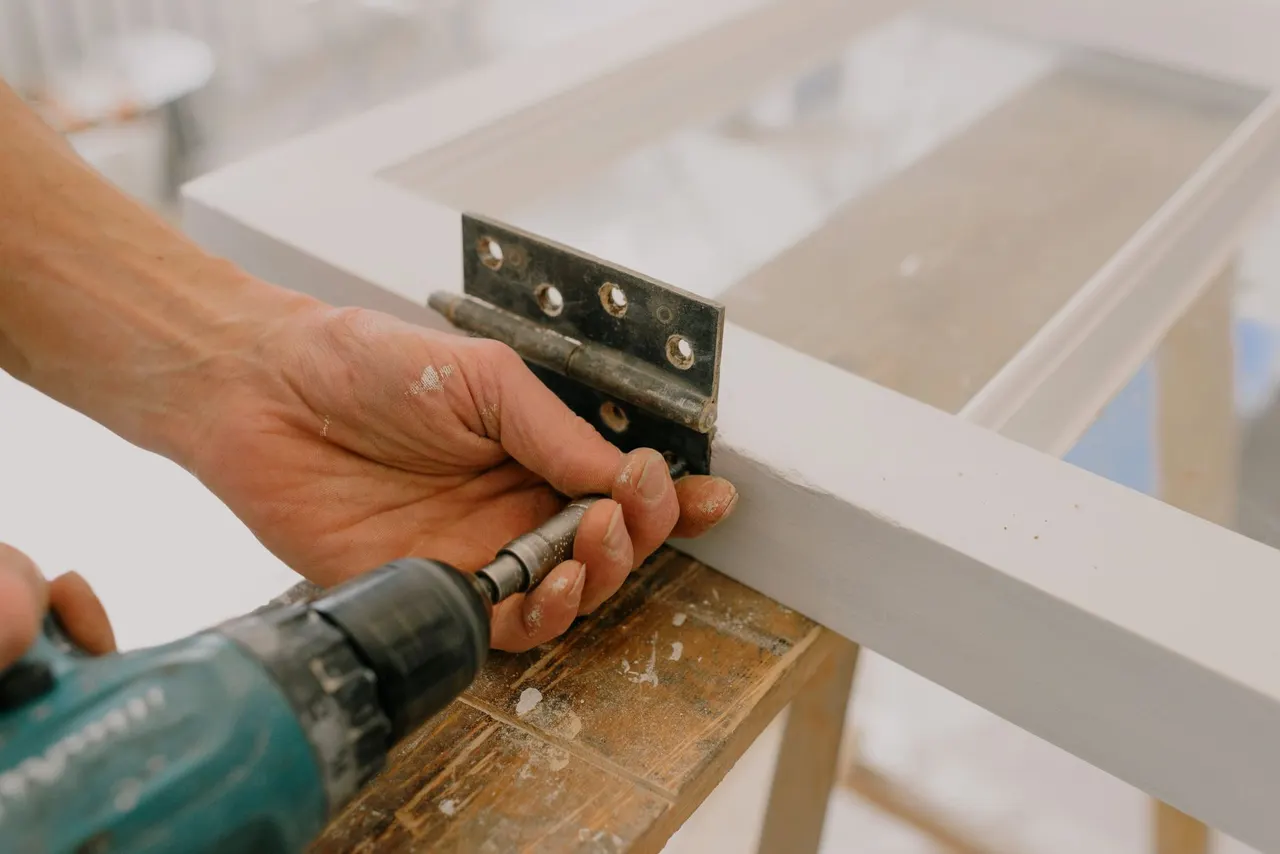
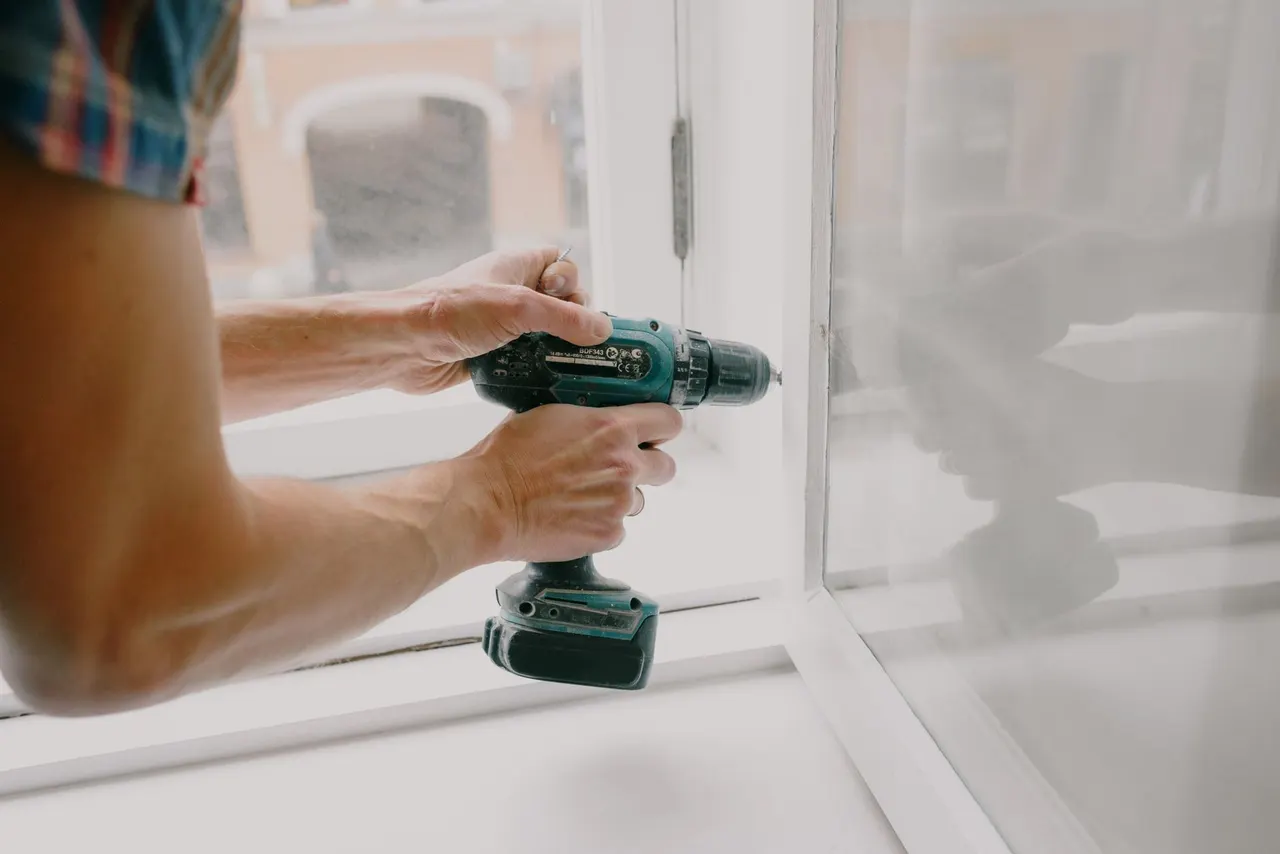
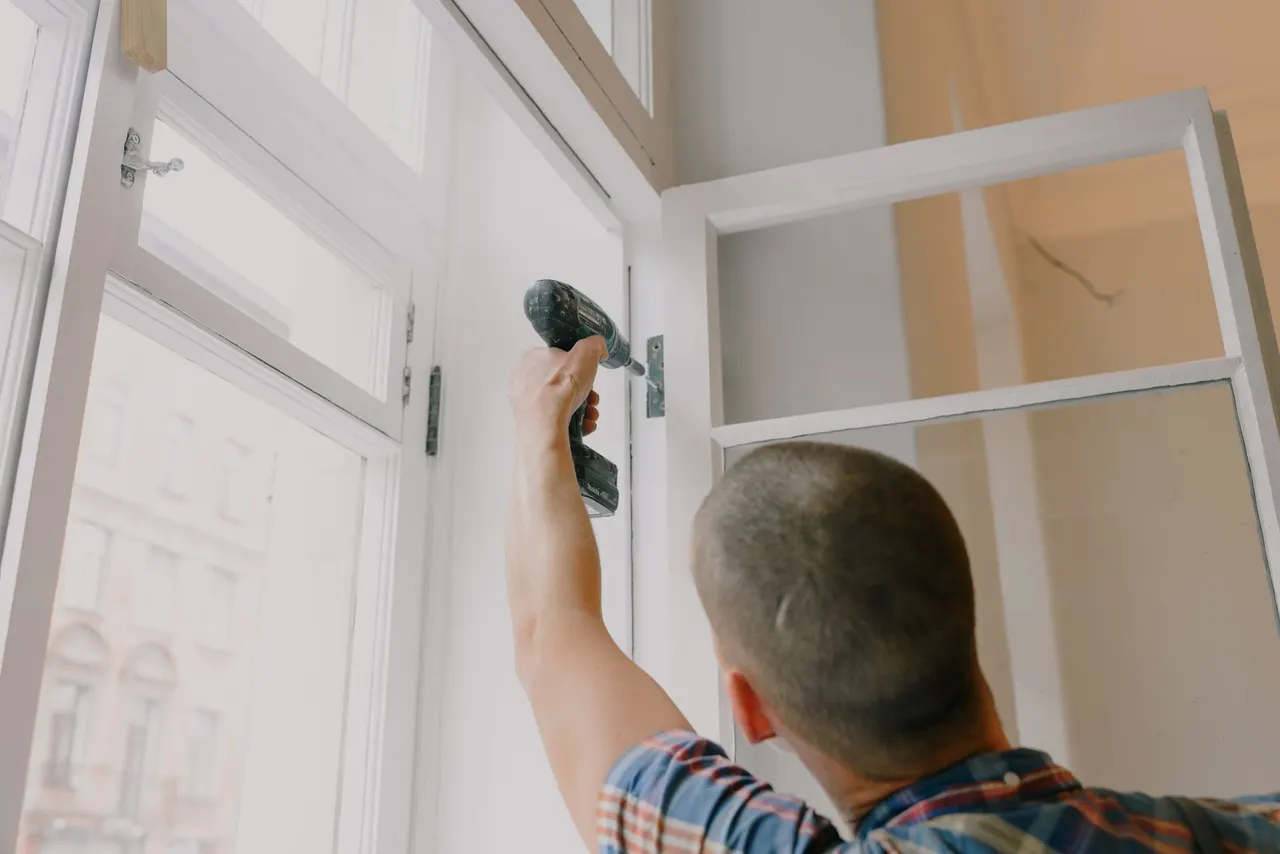
We position the new unit with shims, check it for level and square, and fasten it using the product's installation requirements. Correct placement helps the sash operate without binding.
Insulation and Sealing
We insulate the space around the frame and seal the exterior transition with suitable flashing and caulk. This helps limit air leakage and directs water away from the opening.
Hardware Testing
We cycle the sash through its opening range and test the crank and lock. You can check operation with us and receive basic guidance on keeping tracks, hinges, and seals clear.
Homes and businesses.
The approach is the same for a home and a business. What changes is the access, the schedule and who needs the paperwork.
Homes and Rentals
We plan around your room layout, furnishings, and access so the new sash opens where you need it. You can review operation and sealing before the work area is cleared.
Drafty bedroom window
Kitchen sash above a counter
Fogged glass in a living room
Business Properties
We coordinate window work with property access and room use, and check each opening for fit and safe operation. You receive a clear account of the work completed.
Office window replacement
Retail room ventilation
Multi-unit opening assessment
Casement Window Installation in Farmington
A plain-language look at what Casement Window Installation involves and when it is needed.
Casement Window Installation in Farmington, Connecticut replaces or adds a side-hinged window that opens outward with a crank. The work includes measuring the rough opening, removing the existing unit where needed, checking the sill and framing, setting the new window level and square, fastening it, insulating gaps, and sealing the exterior against water. A properly fitted sash closes evenly against its weather seals, and the operating hardware should move without binding. We also review glass options, frame material, opening direction, and clearance before installation.
Farmington homes face cold winter air, spring rain, humid summers, and changing temperatures that test old seals and exposed trim. Window drafts, fogging between panes, soft sill wood, and difficult cranks are common reasons to consider replacement. Our Farmington Connecticut casement window installation service includes an opening and exterior review, especially where siding meets the frame. For an affordable Casement Window Installation in Farmington Connecticut, the right unit size and a sound opening matter as much as the window itself.
A well-fitted casement closes evenly, opens freely, and has a sealed transition to the exterior.
What it is
A side-hinged window that opens outward with a crank and closes against perimeter seals.
When needed
Consider it when a frame, glass seal, crank, or weather seal no longer works properly.
What to expect
Measurement, removal if needed, frame setting, perimeter sealing, and an operation check.
What to Expect During Installation
Casement Window Installation in Farmington follows a measured sequence, from checking the opening to testing the finished sash. We protect the work area, explain each stage, and keep you informed about what we find behind the trim.
Opening Review
We meet you at the window, discuss drafts or operating problems, and inspect the sash, frame, sill, and nearby siding. A tape measure records width and height at multiple points; a level helps identify out-of-square conditions. This first visit usually takes 30 to 60 minutes for a small group of openings.
Inspect
Measure
Discuss
Unit Selection
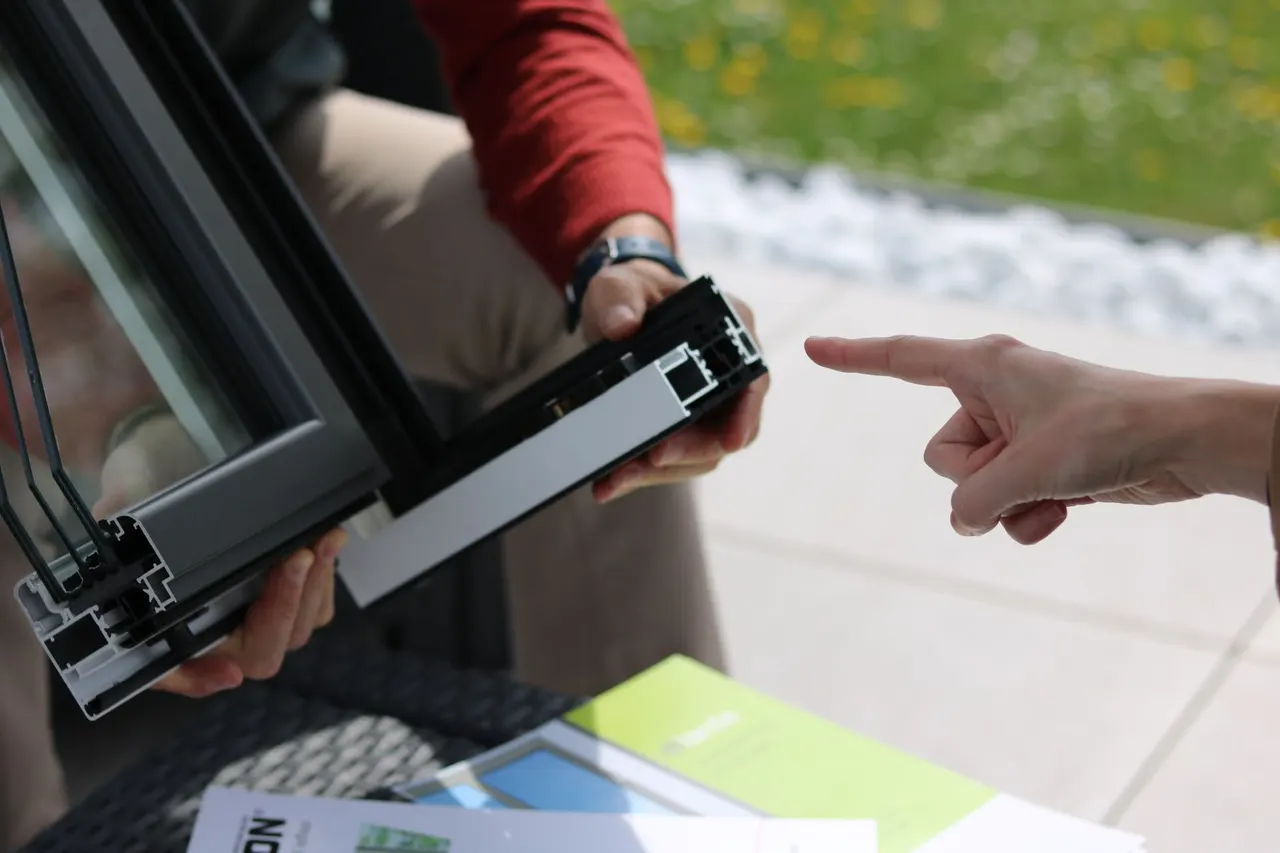
We review frame material, glass performance, opening direction, hardware, and grille choices with you. The rough-opening measurements guide unit sizing, while exterior clearance and room layout shape the hinge and crank position. We explain how each choice affects fit and use before the order is finalized.
Compare
Select
Confirm
Safe Removal
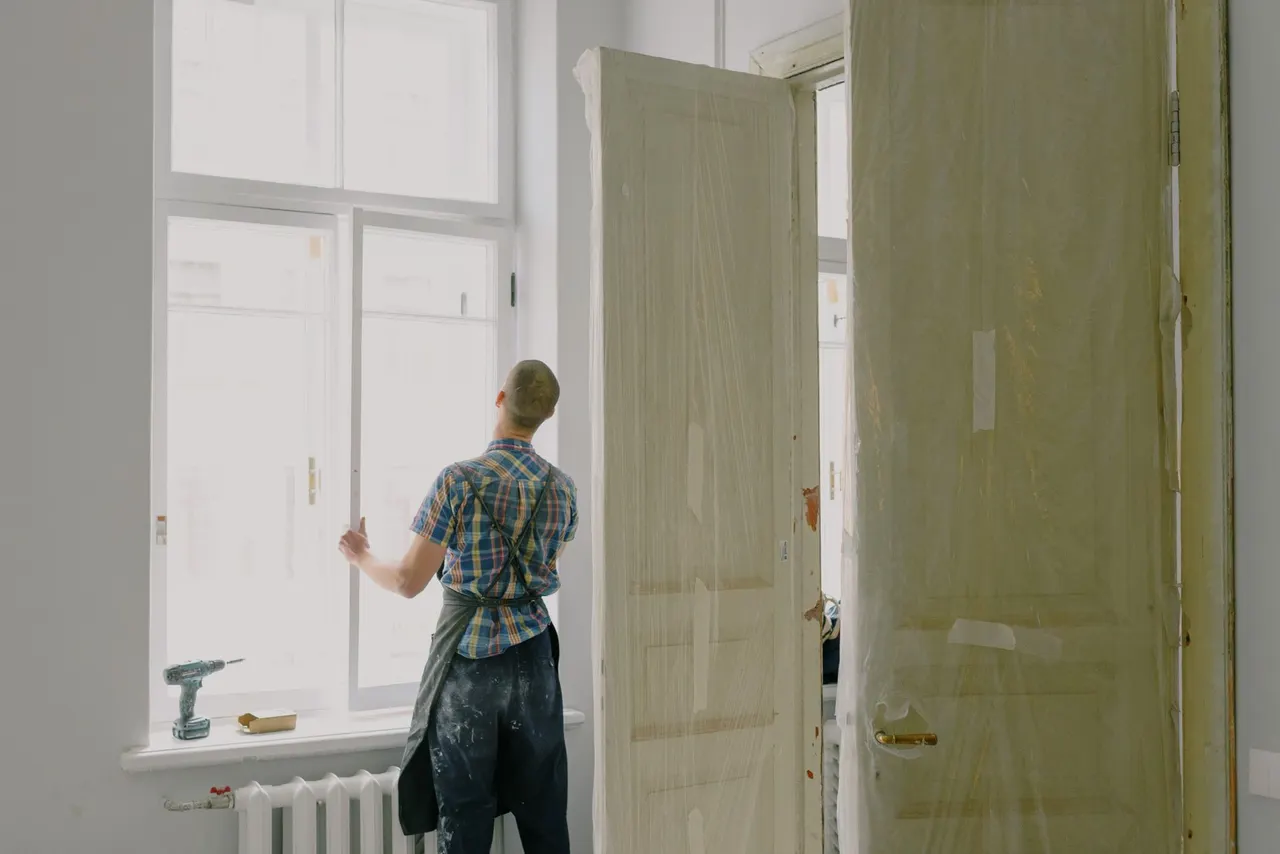
On installation day, we cover nearby flooring and furnishings, then remove the sash and old frame carefully. A window pry bar and utility knife help separate trim and sealant without unnecessary damage. We inspect exposed framing for moisture, rot, or loose fasteners before setting the replacement.
Protect
Remove
Check
Set and Seal
We dry-fit the new unit, shim it to sit square, and fasten it according to the manufacturer's installation instructions. The team insulates the perimeter gap, applies compatible flashing and caulk, and reconnects exterior trim or siding details. Most straightforward single-window installations take about four to six hours.
Position
Fasten
Seal
Operation Check
We open and close the sash, test the lock, inspect weatherstripping contact, and look over the interior and exterior seal lines. You can operate the window with us and review its care instructions before we clean the area. We also point out any separate trim or siding work discovered during removal.
Operate
Inspect
Review
Tools and Installation Methods
Move across a circle, or focus it and press Enter, for an illustrative thermal view of the photograph.
Tape measure and level
We use these to record opening dimensions and check frame alignment. Measurements at multiple points expose uneven openings before the new unit is set.
Window pry bar
This tool helps remove old trim and frame components with controlled leverage, limiting unnecessary damage to surrounding finishes during replacement.
Utility knife
We cut old caulk and paint lines cleanly before removal, helping separate the window assembly from trim without tearing nearby materials.
Caulking gun
We apply exterior sealant in a consistent bead at the appropriate joint, creating a finished transition between the window trim and the surrounding exterior.
Nail gun
Where appropriate for the product and trim, we use a nail gun to fasten components efficiently while maintaining the specified placement and spacing.
Thermal views are illustrative, generated from the photographs.
Methods
Three-point opening measurement
We measure width and height at more than one point and check diagonals when the opening appears uneven. Comparing those readings helps select a unit that fits the actual space and reveals conditions that need attention before installation.
Shimmed frame alignment
We position shims at fastening points, then check the frame for level, plumb, and square. This supports smooth sash movement and helps prevent a crank or lock from binding because the frame was pulled out of alignment.
Layered perimeter sealing
We combine flashing, insulation, and exterior caulk as appropriate to the opening and manufacturer's instructions. Each layer has a distinct job: manage water, reduce air gaps, and finish the visible joint without blocking drainage.
Operating-cycle verification
After fastening and sealing, we open and close the sash, engage the lock, and inspect the weatherstripping contact. We repeat the check after trim work so you receive a window that operates correctly in its finished position.
When a Casement Window Fits
Kitchen crank trouble
A Farmington kitchen window sticks above the sink and its crank no longer pulls the sash tight.
If a new casement is the right fix, we confirm the handle can be reached over the counter and the sash has room to swing outdoors. Then we fit and test the unit.
Outcome: You get a window that opens without forcing the crank and closes against its weather seal, with an operating handle positioned for practical daily use.
Fogged bedroom glass
A bedroom in Farmington Woods has a persistent draft and cloudy glass between panes.
We inspect the insulated glass, frame, and perimeter seal to distinguish a failed glass unit from broader frame deterioration. We review replacement choices with you and install the selected casement with a sealed, insulated frame joint.
Outcome: The view is clear again, and the closed sash seats evenly. You also have a tested crank and lock rather than a window that resists operation.
Historic trim update
A home renovation in Downtown Farmington needs new windows coordinated with existing trim.
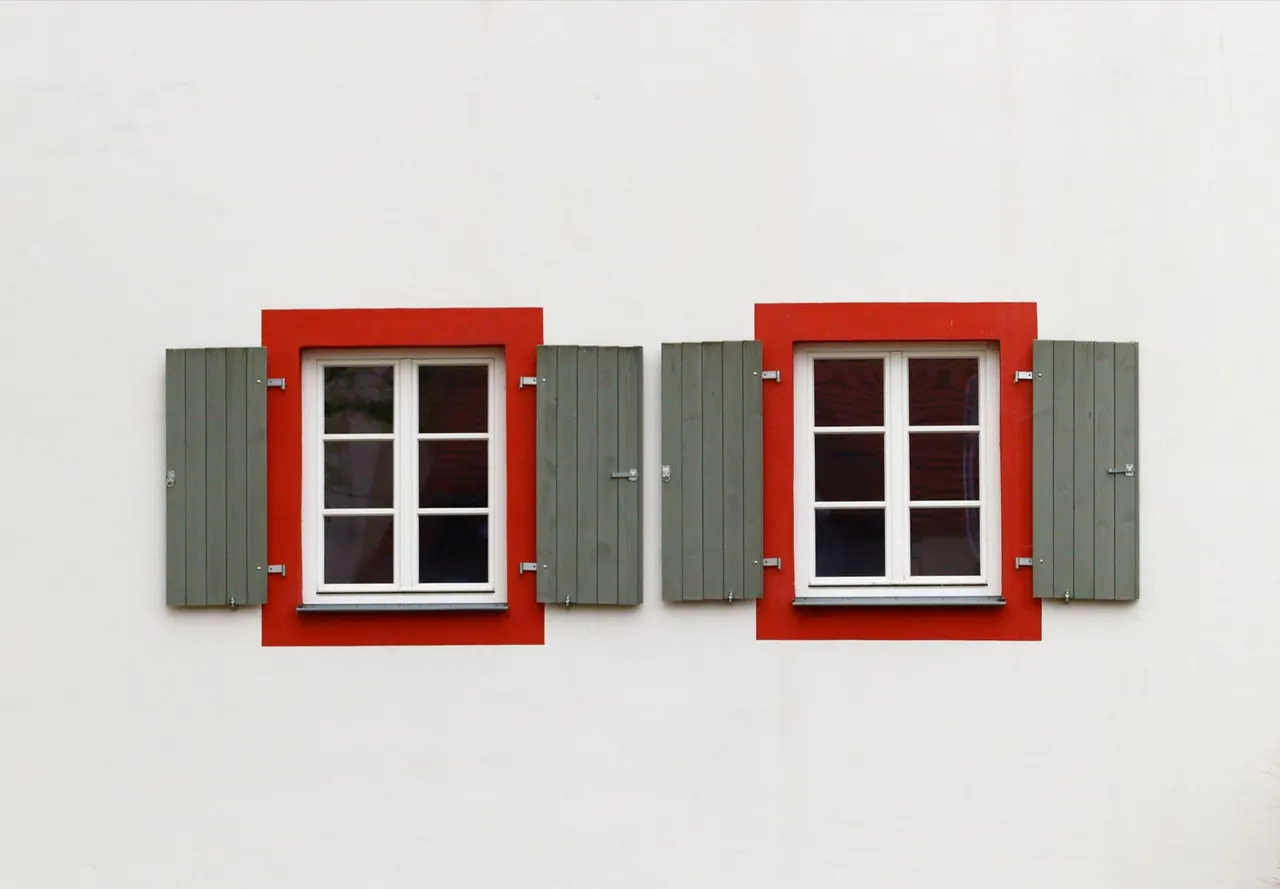
We measure each opening and assess the existing exterior finish before product selection. Our team plans the frame depth, trim transition, and sash direction so the finished window works with the room and surrounding facade.
Outcome: The new opening functions as intended while maintaining a considered relationship with existing exterior details and interior finishes.
Limited interior space
A first-floor room needs ventilation but has limited space for an inward-opening sash.
We review furniture placement, outdoor obstructions, screen requirements, and handle access. A casement may suit the layout if the outward swing remains clear; we confirm that before ordering and verify full movement during installation.
Outcome: You gain an operable window without sacrificing interior floor space, with a clear understanding of the sash's outdoor clearance.
Casement Window Installation in Farmington, Connecticut must account for cold winters, freeze-thaw movement, spring rain, and humid summer conditions. Those cycles can expose weak sealant, loose trim, and water entry around older openings. We inspect the sill, flashing, siding, and frame before deciding how to remove and set the unit.
In established homes, opening dimensions and trim profiles may vary, so we measure the actual space instead of assuming a standard size. Our professional casement window fitting Farmington Connecticut service also considers access, exterior clearance, and the direction the sash will swing.
We follow the window manufacturer's instructions and applicable local building requirements; any permit needs depend on the specific project. Before work, we protect the room, confirm the installation sequence, and identify visible damage that should be repaired for a sound finish.
Farmington Historic District: Older homes can have varied opening dimensions and distinctive trim. We measure each window and plan the frame and exterior finish around existing details.
Downtown Farmington: Tighter access and nearby walkways can affect how we bring a replacement unit to the room. We review the route and exterior sash clearance before installation.
Farmington Woods: We check siding joints and shaded exterior areas for moisture near the sill, then coordinate the window seal with the surrounding cladding.
West Farmington: Exposed elevations can put extra stress on aged sealant. We inspect the exterior perimeter and confirm the sash closes evenly against its weatherstripping.
Freeze-thaw cycles stress sealant and exposed exterior joints.: Small gaps around a frame can widen as materials move with temperature changes. We check the perimeter, flashing, and caulk condition, then detail the installation to shed water away from the opening.
Older openings may vary from square and standard dimensions.: A window selected from nominal measurements alone may bind or leave excessive gaps. We measure in several places, assess the framing, and use appropriate shimming to align the new unit.
We review the window and explain the visible opening conditions.
We protect nearby finishes and set up tools for removal and fitting.
We test the sash, check the seal, and review the finished work.
From problem to finished result.
IllustrativeThe thermal view is generated from the photograph. It is not a measurement. Drag the handle, or use the arrow keys once it is focused.
Drafty Kitchen Window
Before: The kitchen sash resisted the crank and left a cold line of air near the sink. The frame had uneven contact at one corner, and the exterior caulk was separating. The homeowner avoided opening the window because it took both hands to move and never seemed to latch securely.
After: We removed the old assembly, checked the sill, and installed a correctly sized casement. The frame was shimmed level and square, the perimeter insulated and sealed, and the crank tested through several cycles. The homeowner could open and lock the window smoothly before we finished cleanup.
Keep the sill clear of standing water and wipe the frame with a soft cloth. Test the crank and lock a few times each season, and call if the sash begins rubbing or the seal separates.
Fogged Bedroom Glass
Before: Moisture trapped between the panes blurred the bedroom view, while a worn seal allowed a noticeable draft. The window still opened, but its latch required pressure and the lower trim showed a faint water mark after heavy rain.
After: After checking the frame and sill, we fitted a replacement casement with the selected glass package. We corrected the frame alignment, sealed the exterior joint, and verified the lock drew the sash evenly. The room regained a clear view and a window that opened without forcing the handle.
Clean glass with a non-abrasive cloth and keep the exterior drainage area unobstructed. Inspect the trim after storms for new staining, and report any persistent moisture or change in sash movement.
Worn Historic-District Opening
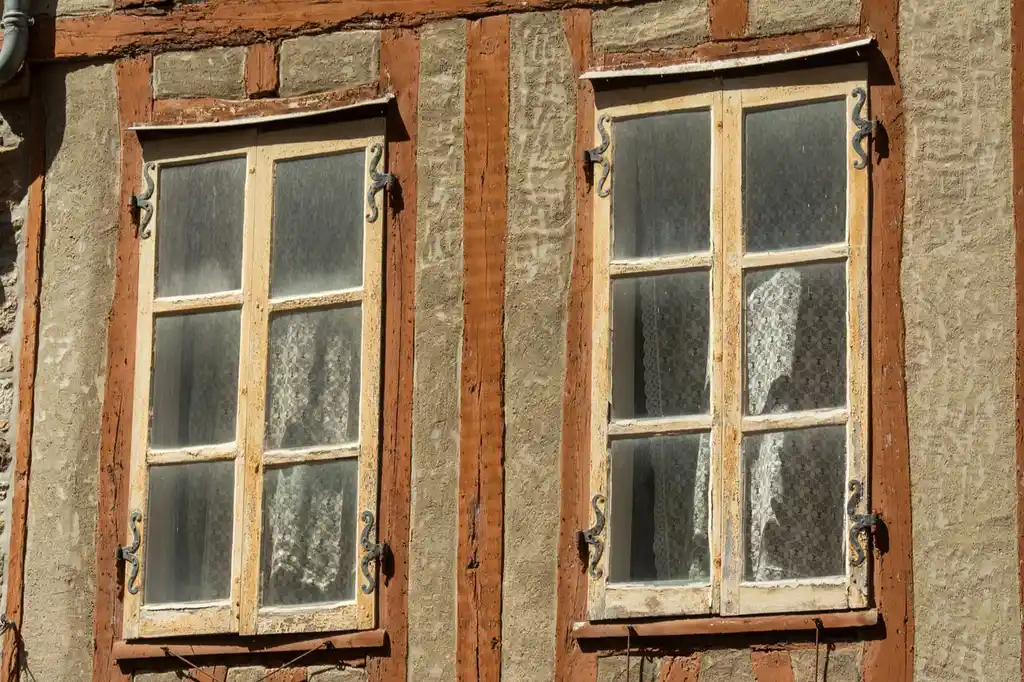
Before: An older window in the Farmington Historic District had a loose frame and deteriorated caulk where the trim met the exterior. Its dimensions differed slightly from side to side, making a direct replacement without careful measurement risky.
After: We measured the opening at multiple points, reviewed the trim transition, and set the selected casement with shims to correct alignment. The exterior joint was sealed and the sash checked for full clearance. The result operated smoothly while respecting the existing finish around the opening.
Check painted and sealed joints during seasonal exterior maintenance. Keep the outward swing clear of plant growth and stored items, and address cracked caulk before water reaches the frame.
Problems Casement Installation Can Solve
Drafts, failed glass seals, and stiff hardware can make a window uncomfortable or unreliable. We identify whether the cause is the sash, frame, or surrounding exterior, then recommend installation work that addresses the actual opening rather than hiding symptoms.
Sash draftsCold air enters around a warped or poorly closing sash.Persistent drafts make nearby seating uncomfortable and can leave curtains moving in winter. A sash that no longer meets its seal evenly also points to hardware or frame alignment problems. We inspect the frame, hinges, weatherstripping, and lock to determine why the sash does not close firmly. If replacement is appropriate, we set the new unit square, insulate the perimeter, and test contact around the full seal. We also check the exterior joint for gaps that could admit wind-driven rain.
Fogged glassCondensation or fogging remains trapped between glass panes.Fogging between panes indicates a failed insulated-glass seal, reducing clarity and often signaling that the unit has reached the end of its useful service. Wiping the room-side glass will not clear moisture inside the assembly. We confirm whether moisture is inside the glass unit or on an accessible surface, then review repair and replacement options. For a new casement unit, we match the opening and selected glass package, remove the failed assembly, and check the frame and sill before fitting the replacement.
Sticking crankThe crank sticks, slips, or will not lock the sash securely.A sash that cannot open or latch reliably limits ventilation and may leave the window insecure. Forcing worn hardware can damage the operator or pull the frame out of alignment. We test the operator, hinges, latch, and sash alignment before recommending hardware work or a complete replacement. When installing a new unit, we verify crank reach and opening clearance, then cycle the window repeatedly so you can feel the operation before we leave.
Water marksWater marks or soft wood appear beneath the window frame.Water infiltration can damage interior finishes and weaken the sill or framing if the source remains open. The visible stain may be farther from the failed exterior joint than the actual entry point. We trace the opening's exterior details, inspect the sill and exposed framing during removal, and identify whether flashing, trim, or surrounding siding needs attention. The new frame is insulated and sealed at its perimeter, with additional repair handled where moisture has damaged the structure.
Practical Benefits for Your Home
A properly aligned sash opens smoothly and closes firmly against its seals.
Controlled Fresh Air
The sash swings outward and catches passing breezes, which can help move air through kitchens, bedrooms, and other rooms. We check the crank, hinges, and sash clearance through a full operating cycle before wrapping up. A correctly positioned opening also needs enough exterior clearance for safe use.
A Firmer Weather Seal
Casement sashes press against perimeter weatherstripping when closed. We align the frame and check contact around all four sides so the latch draws the sash in evenly. That detail helps address window drafts, especially when an older unit has warped frames or worn seals.
Clear, Useful Sightlines
A casement window has no central meeting rail, leaving a broad glass area for daylight and an open view. We help you compare window glass and frame sizes with the room's needs, then confirm the handle location is reachable without interfering with counters or furnishings.
Less Strain on Hardware
A correctly sized sash and aligned hinges reduce unnecessary stress on the crank mechanism. During installation, we test the handle several times and confirm the lock engages. If you are planning casement window fitting near me Farmington, ask us to inspect the opening and existing trim together.
What a written scope covers.
What a written scope covers and what shapes it. Prices are set by the business after the first look.
The final amount depends on dimensions, frame material, glass package, access, disposal, and whether damaged framing or exterior trim needs repair. Larger custom units or extensive water damage increase labor and materials. We inspect the opening and explain the price before work begins; current typical 2026 pricing varies by product and job conditions.
Farmington Siding and Windows Pro provides local casement window installation and fitting for homes in Farmington, Connecticut. We measure the opening, review frame and glass options, remove the old unit when required, and test the new sash and lock. Call (860) 744-9803 to discuss your window, its symptoms, and the location in your home. We can also check nearby siding and trim for signs of water entry during the assessment.
A straightforward single-window replacement usually takes four to six hours, while multiple openings can require one or more workdays. Removal, access, custom sizing, and repairs to framing or trim affect the schedule. We protect the room, fit and seal the unit, then test its operation before cleanup. A custom window also requires manufacturing time before installation day, so the complete project timeline includes ordering and delivery.
Yes, casement windows suit many Farmington rooms because their compression seals close firmly and the outward-opening sash can capture breezes. They work well where you want an unobstructed view or controlled ventilation, provided the sash has clear outdoor space. We consider winter exposure, prevailing airflow, screen placement, and crank access before recommending a configuration. They are less suitable where a walkway, deck, or other obstruction blocks the opening.
A sticking sash or persistent draft is easier to diagnose before the opening deteriorates further. Call Farmington Siding and Windows Pro at (860) 744-9803 to arrange a window assessment and discuss the right next step.
Call (860) 744-9803 or email [email protected] to describe the siding or window issue at your Farmington home. Our listed office hours are Monday through Friday, 8:00 a.m. to 6:00 p.m.; calls are routed to independent companies. Share the affected area, any visible damage, and whether water is entering so the conversation starts with useful details.