Why is my wood siding rotting near the ground
Ground-level wood siding rots when splashback, snow, or trapped moisture keeps it wet. Find the cause, understand repair costs, and prevent it from returning.
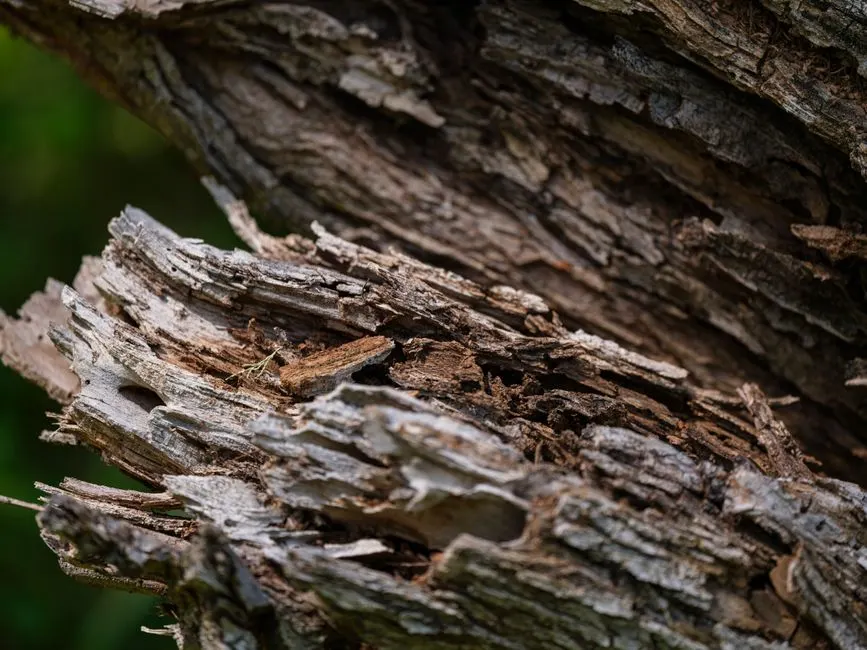
Wood siding rots near the ground because the lower boards stay wet too long, usually from soil or mulch contact, roof runoff, splashback, or snow piled against the wall. In Farmington, freeze-thaw weather, spring rain, and shaded foundation edges can keep that area damp long enough for decay to take hold. The repair has to remove the damaged wood and correct the moisture source; covering soft boards with paint or caulk only hides the problem. We'll explain the common causes, how we assess and repair affected siding, what repairs cost, and how you can reduce the chance of rot returning.
Wood siding rot near ground in Farmington often starts out of sight behind mulch or at a corner where runoff collects. A little investigation matters: the visible stain may mark only the edge of a larger damp area behind the siding. Our work across Siding and Windows in Farmington, Connecticut includes tracing those entry points, replacing unsound boards, and getting the lower wall dry and protected again.
Why is my wood siding rotting near the ground in Farmington, Connecticut?
Wood siding rots near the ground in Farmington, Connecticut, when water repeatedly reaches the lower boards and the wall cannot dry between wet periods. The lower course is exposed to rain bouncing off the soil, snowbanks, wet leaves, and water draining from gutters or sloped ground.
Wood siding rot repair is a targeted building-envelope repair that removes decayed material and restores the wall's water-shedding details. It is needed when boards feel soft, crumble, split at their lower edges, or show fungal discoloration that persists after the surface dries.
Look for paint that blisters or peels close to grade, a musty smell, swelling at board ends, and fasteners that have loosened. Pressing gently with a screwdriver can reveal softness, but don't probe hard enough to puncture intact siding or a concealed weather barrier.
Rot does not mean every board on the house needs replacing. If the damage is limited to one or two courses and the sheathing behind them is sound, a local repair is often enough. If the wall stays wet because of drainage or flashing trouble, the underlying cause must be fixed too.
What causes wood siding rot in Farmington?
Wood siding rot in Farmington is usually caused by prolonged moisture, not one wet afternoon. Decay organisms need moisture, oxygen, and suitable temperatures; keeping the siding wet repeatedly gives them the conditions to break down wood fibers.
Farmington homeowners see a mix of winter snow, spring runoff, summer storms, and shaded north-facing walls. The pattern matters: the same low board can stay damp after a storm if the ground slopes toward the house or dense plantings block airflow.
- Ground clearance is too small. Soil, mulch, or leaves touch the siding and wick moisture into the bottom edge. Keep siding clear of soil and follow the siding manufacturer's required clearance; many installations call for roughly 6 inches between wood siding and soil.
- Water splashes back. Bare soil, a narrow planting bed, or a short downspout can send rain onto the lower boards. A gravel strip and a correctly directed downspout help reduce repeated wetting.
- Snow and debris stay against the wall. Packed snow, wet leaves, and mulch hold moisture against the siding, especially in shaded areas that dry slowly.
- Drainage or flashing sends water behind the boards. A leaking gutter, missing kick-out flashing, or poorly detailed deck connection can concentrate water at a corner or foundation line.
Farmington Connecticut wood siding rot can also show up at the bottom of a garage wall, porch, or deck where the siding is close to a paved surface. Concrete may seem dry, but water can splash from it and collect against the wall. We check the whole path: where water lands, where it flows, and where it can escape.
Wood type and coating condition affect how quickly damage becomes visible, but paint is not a substitute for drainage. A cracked coating can admit water; a fresh coat over damp or decayed wood can trap moisture. If the siding is due for upkeep after repair, our Siding Maintenance in Farmington, Connecticut work includes checking joints, coatings, and water-shedding details.
How to repair wood siding rot in Farmington
To repair wood siding rot in Farmington, remove enough material to reach sound wood, inspect the layers behind it, correct the moisture source, and fit replacement siding with proper clearances and flashing. A durable repair treats the wall assembly, not just the visible face.
We begin by mapping the damaged area and checking nearby corners, trim, and the bottom of adjacent boards. If a board is soft well above its lower edge, we follow the damage rather than stopping at the first clean-looking cut. Water can travel behind siding before it becomes visible.
- Find the wetting source. Check downspout discharge, gutter leaks, grading, sprinkler spray, planting beds, and roof or deck flashing. Correcting this first prevents fresh wood from repeating the same failure.
- Open the affected area carefully. We remove rotten boards and inspect the sheathing and water-resistive barrier. Soft sheathing, dark staining, or damp insulation signals that the repair extends beyond a siding board.
- Restore the drainage plane. We repair damaged barrier and flashing so water drains outward, then install compatible replacement boards with the required gap above soil, paving, or roofing surfaces.
- Seal and finish the repair. We prime cut ends where the product calls for it, fasten the boards correctly, and apply a compatible finish after the surface is dry.
A short repair can take a few hours once materials and access are ready; repairs involving sheathing, several elevations, or complex flashing take longer. Cold, wet November weather in Connecticut can limit exterior coating work, so we focus on stopping water entry and protecting the open wall before a finish coat is applied in suitable conditions.
For localized damage, Siding Repair in Farmington, Connecticut can preserve sound siding rather than replacing an entire elevation. If the boards have widespread decay, repeated patches, or failing coatings across several walls, replacement may make more sense than continuing to repair isolated spots.
What does wood siding rot repair cost in Farmington?
Wood siding rot repair in Farmington, Connecticut, commonly costs about $300-$900 for a small, accessible patch and $900-$2,500 for a larger section that includes multiple boards or trim; repairs involving sheathing, flashing, or difficult access can exceed $2,500. These are typical 2026 pricing ranges, not a quote for a specific house.
Price depends on how much wood is unsound, whether the wall barrier behind it needs repair, the siding profile and species, finish matching, and ladder or scaffold access. A repair on one low wall is usually simpler than work around a deck ledger, corner boards, or a second-story transition.
When we assess a wood siding rot repair near me Farmington search call, we look beyond the visible hole and identify the reason the wall stayed wet. You should know whether the repair involves siding alone or whether damaged sheathing and flashing also need attention; one upfront price for the agreed work keeps the decision clear.
If you are comparing bids, check that the proposed work includes removing decayed material and addressing the water source. A low price to fill, caulk, or paint over soft siding does not solve the cause and can make later inspection harder.
Common mistakes that let siding rot return
Wood siding rot returns when a repair closes over damp material or leaves the original water path in place. The new board might look clean, but the same splashback or drainage issue will wet it again.
One frequent mistake is piling mulch higher after a repair. Mulch against the wall hides the lower edge, retains moisture, and makes routine checks difficult. Keep beds below the siding clearance and avoid directing irrigation toward the house.
Another is relying on caulk to bridge an opening that needs flashing or a drainage gap. Caulk has a role at compatible joints, but it cannot replace a proper overlap that lets water drain out. Similarly, pressure-washing close to the wall can drive water into joints and damaged paint rather than removing the cause of rot.
Do not install replacement boards tight to the soil or pavement just to hide a gap. Leave the clearance required for the siding product and site conditions, and keep the bottom edge visible enough to inspect. If a deck or porch blocks access, check that its connection does not funnel water behind the siding.
Use the first dry stretch after a storm to inspect the wall, then check again after snow melts. A quick seasonal look at the lower 12 inches of siding can catch peeling paint, leaves, and standing water before the damage spreads.
When to call a professional in Farmington
Farmington homeowners should call a siding professional when rot extends beyond a small, dry surface blemish, affects several boards, or appears beside a window, deck, corner, or foundation transition. Those locations often involve flashing or concealed sheathing that a surface patch will not repair.
Call promptly if a board crumbles under light pressure, the siding bows away from the wall, indoor trim feels damp, or you see recurring water stains after rain. These signs can indicate that water has moved behind the cladding. We inspect the affected wall, trace the entry route, and explain the repair that will stop the cycle.
Homes around Farmington's older village streets and established neighborhoods can have layered repairs from different decades. That makes it useful to identify the siding profile, existing materials, and previous patch points before cutting into the wall. Our team serves local homeowners with repair work that matches the conditions at the house, not a one-size-fits-all patch.
If you are also weighing a broader exterior upgrade, our Siding Replacement in Farmington, Connecticut service is an option when rot is widespread or the existing boards are near the end of their useful life. For isolated decay, we focus on repairing the affected section and preventing the moisture problem from returning.
Frequently Asked Questions
Why is my wood siding rotting near the ground in Farmington, Connecticut?
Persistent water from splashback, snow, soil contact, or poor drainage is the usual cause. In Farmington, freeze-thaw cycles and shaded walls can prolong damp conditions. Keep the lower siding clear of soil, direct downspouts away from the foundation, and investigate any soft or swollen boards before the damage spreads.
How do you repair wood siding rot in Farmington?
We remove the decayed boards, inspect the sheathing and water barrier, correct the source of moisture, and install replacement siding with proper clearances and flashing. A small accessible patch can take a few hours; concealed damage or multiple wall sections take longer. Painting over soft wood is not a durable repair.
What causes wood siding rot in Farmington?
Repeated moisture is the main cause: soil or mulch touching the siding, rain splashing off the ground, snow left against the wall, leaking gutters, or faulty flashing. A shaded wall that stays wet for days after a storm is at greater risk than one that dries quickly. The right fix depends on where the water enters or collects.
How much does wood siding rot repair cost in Farmington, Connecticut?
Typical 2026 costs run about $300-$900 for a small patch and $900-$2,500 for a larger section; hidden sheathing damage or difficult access can push the total higher. Material matching, trim work, and flashing repairs also affect price. A site inspection is needed to distinguish siding-only damage from deeper wall repairs.
Get help with Siding and Windows in Farmington
Soft, rotting siding will not recover with paint; finding and correcting the moisture source protects the repair. Call Farmington Siding and Windows Pro at (860) 744-9803 to discuss wood siding rot repair in Farmington.